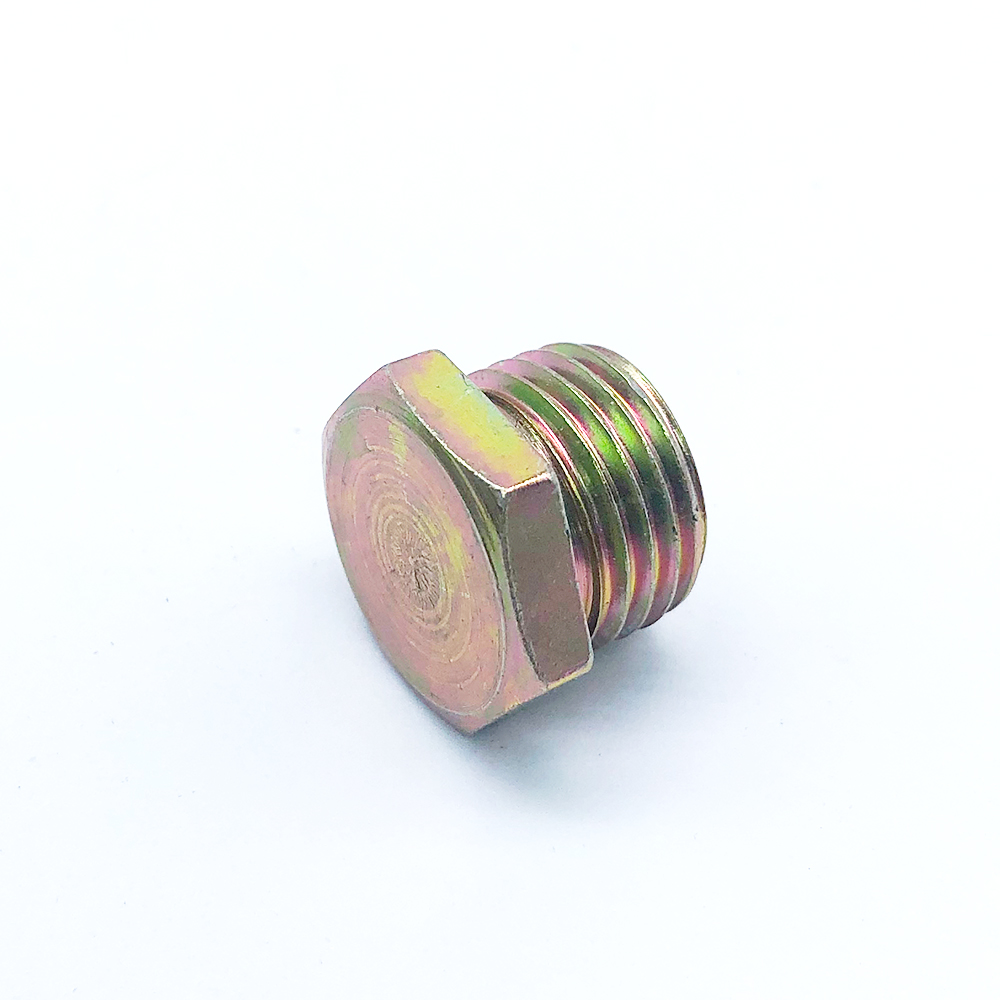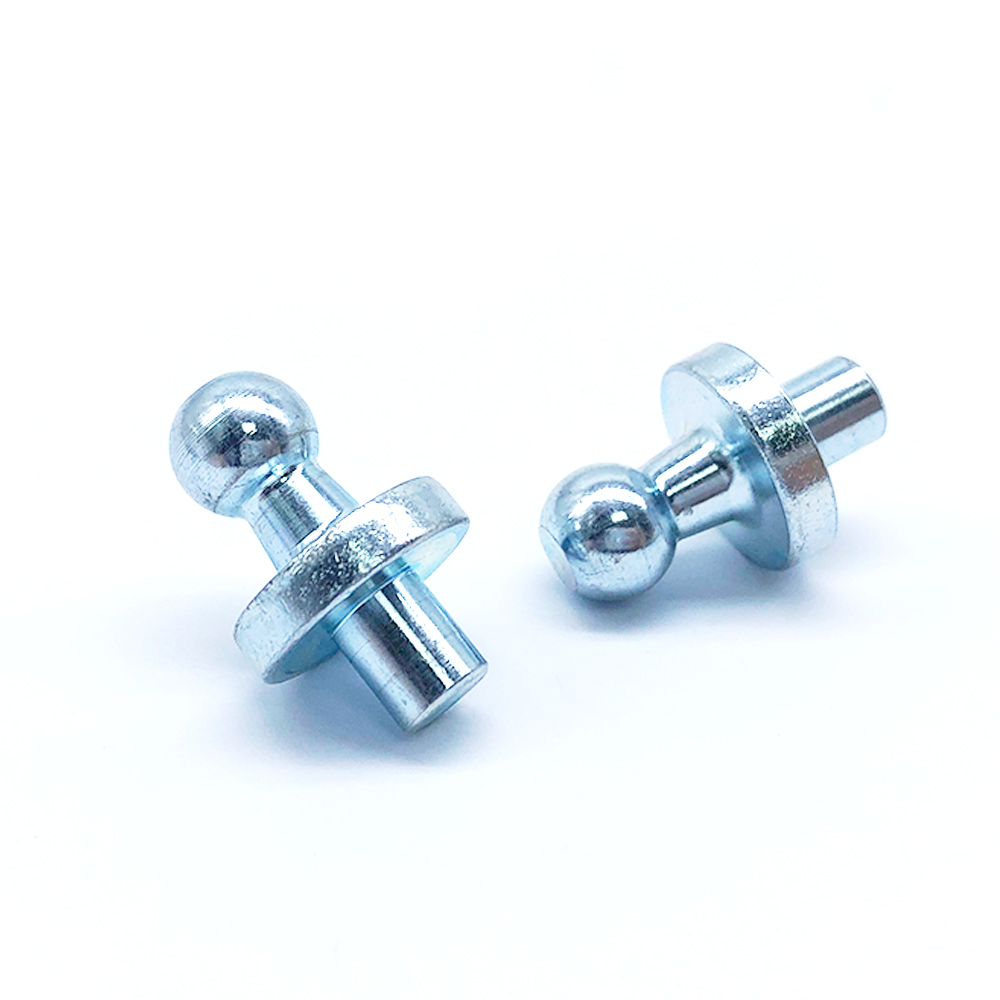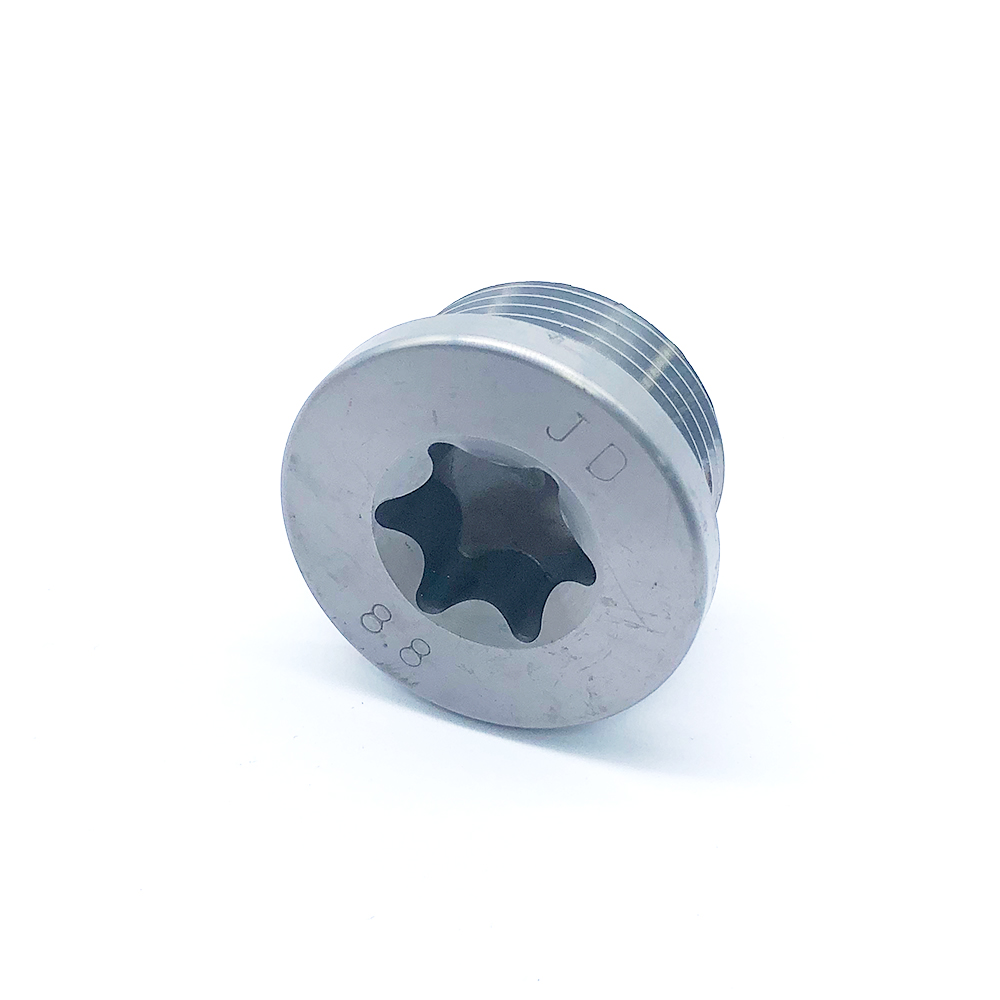
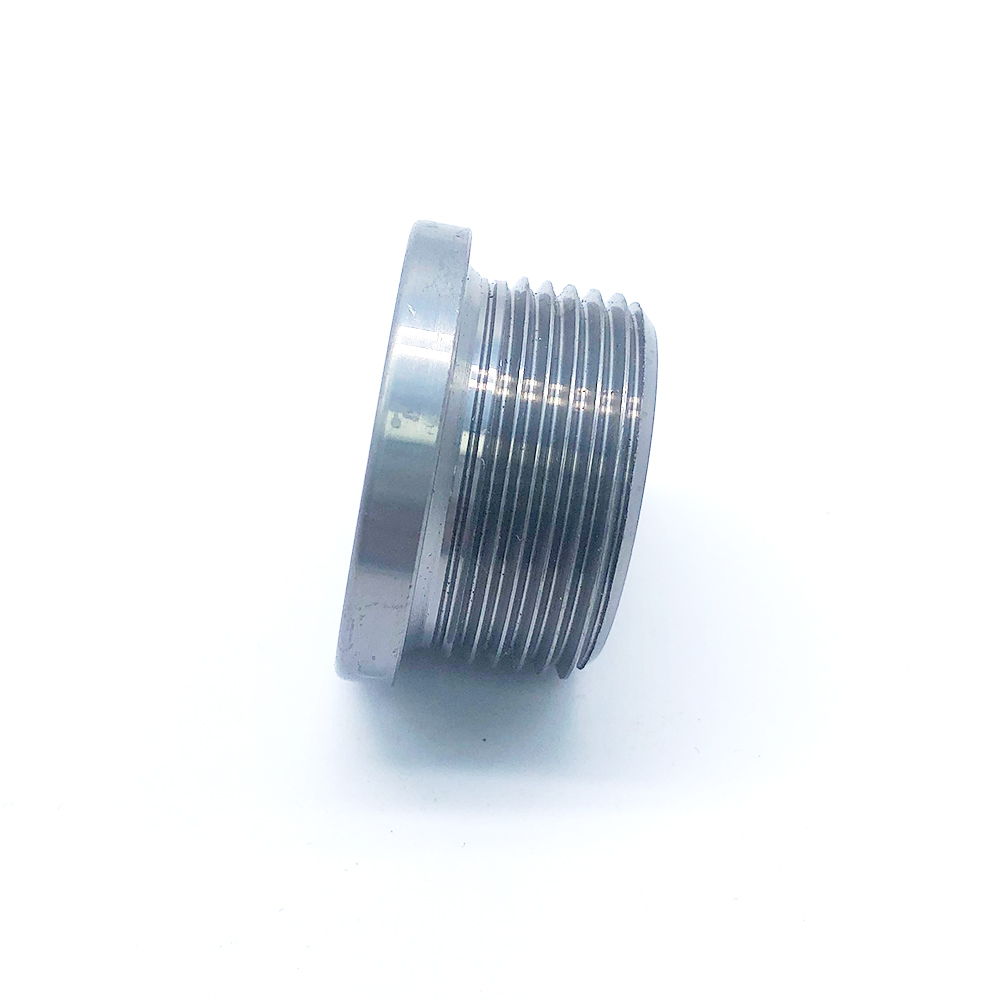

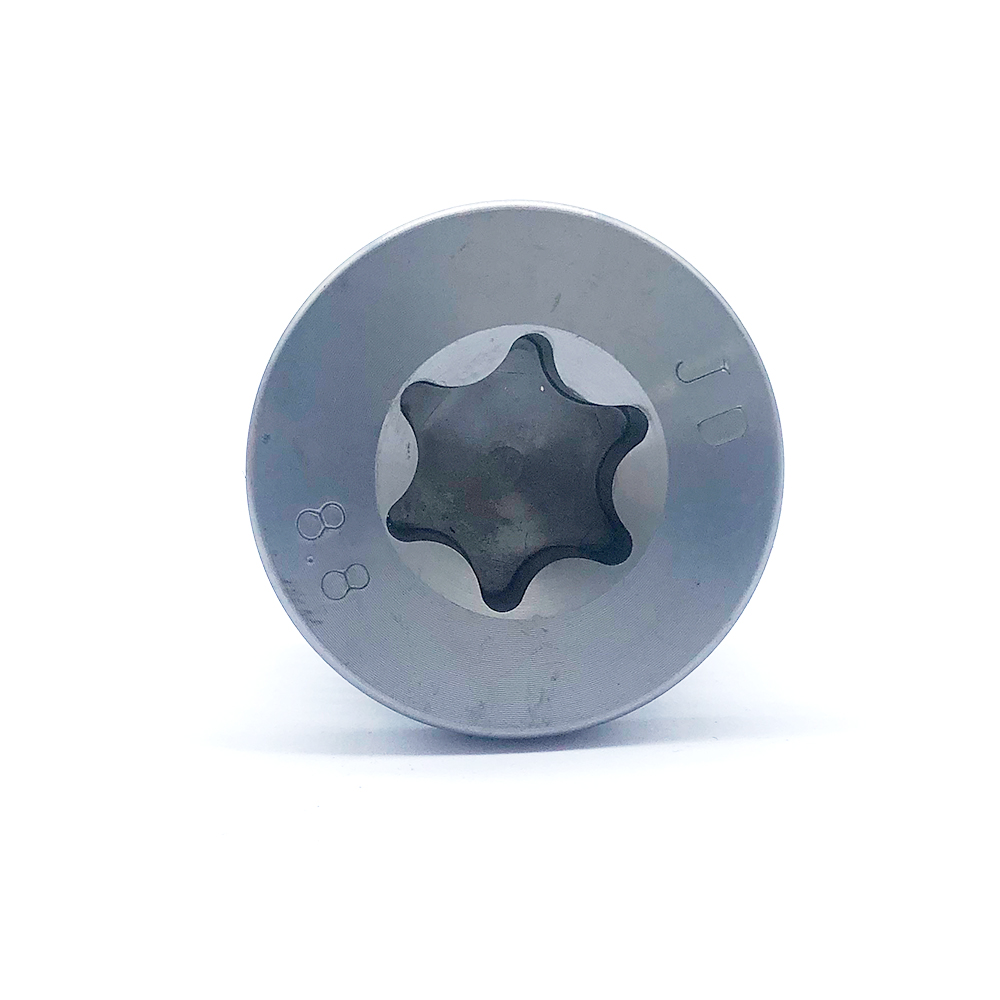
Size: M20*2*39*21h
Grade: 8.8
Material: 10b21
Finish: Natural rust prevention treatment
Material:
Design:
Pressure Resistance: Hydraulic systems often operate under high pressure, and hydraulic valve plugs are designed to withstand the internal pressure of the system without deformation or failure. High-quality plugs are rated to handle these pressures and maintain their seal.
Size and Thread Type: Hydraulic valve plugs are available in different sizes and thread types to match the specific valve ports and hydraulic circuits. Common sizes include 1/8", 1/4", 3/8", 1/2", and so on, with thread types such as NPT or BSP.
Durability: Hydraulic valve plugs are designed to be durable and resistant to the harsh conditions within hydraulic systems, such as exposure to high temperatures, chemicals, and pressurized fluid. They must also be able to resist wear from repeated use.
Hydraulic Control Valves:
Isolation of Sections of the System:
Pressure Testing:
System Shutdown or Storage:
Sealing During Configuration Changes:
Protecting Unused Ports:
Leak Prevention: The primary function of a hydraulic valve plug is to prevent leaks in hydraulic systems. By ensuring a tight, secure seal, the plug helps maintain the system's pressure and fluid integrity.
Ease of Maintenance: Hydraulic valve plugs make maintenance and system repairs easier by isolating specific parts of the system, allowing for controlled testing and fluid draining. They are also used when replacing components or making modifications to the hydraulic system.
System Protection: Valve plugs protect unused ports from contamination, which is important for the longevity and efficiency of the hydraulic system. This is especially crucial in high-performance or heavy-duty systems, such as those used in construction equipment and industrial machinery.
Versatility: Hydraulic valve plugs are available in a wide variety of sizes, materials, and thread types, making them versatile enough to work in various hydraulic applications across many industries.
Cost-Effective: Valve plugs are relatively inexpensive components compared to other hydraulic system parts, but they play an essential role in maintaining the integrity and safety of the system. Regular use of plugs can help prevent costly repairs and fluid loss.

SUNO GROUP LIMITED founded in 1990 and certificated by ISO 9001 & IATF 16949, is a professional automotive fasteners supplier in China.