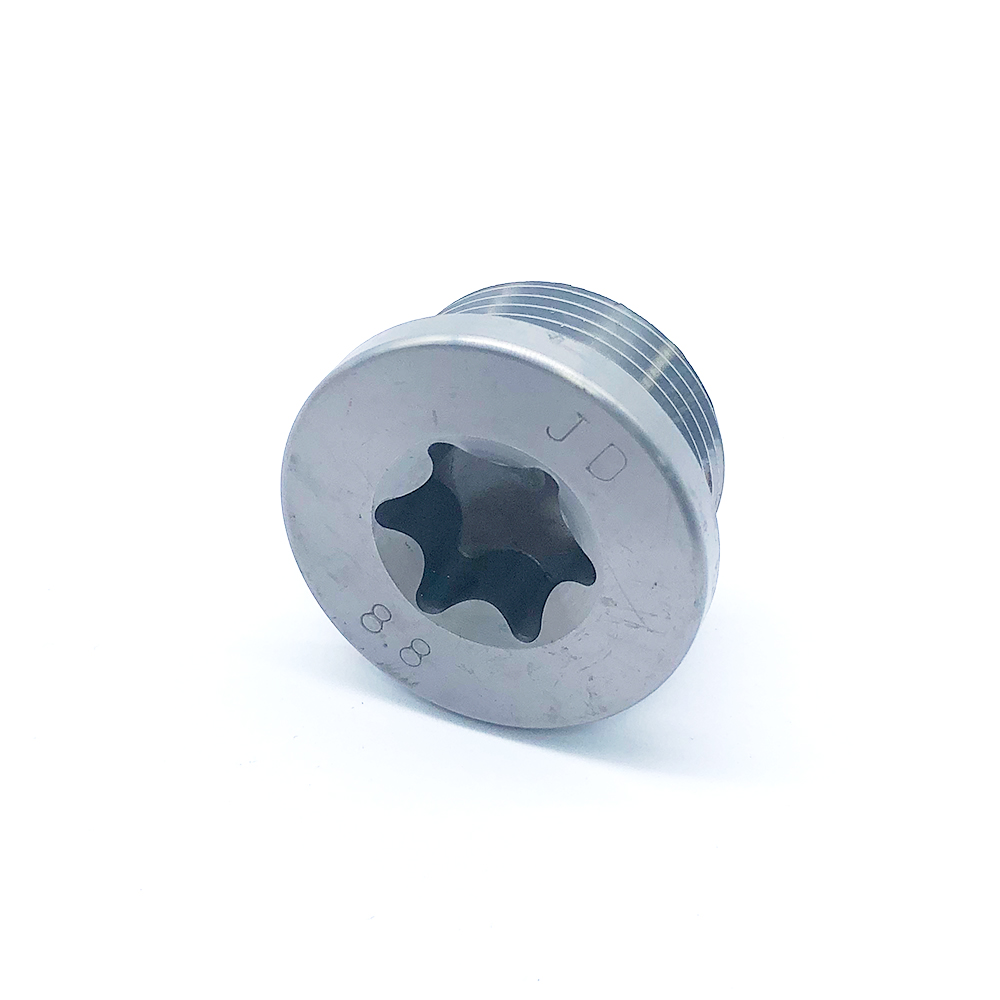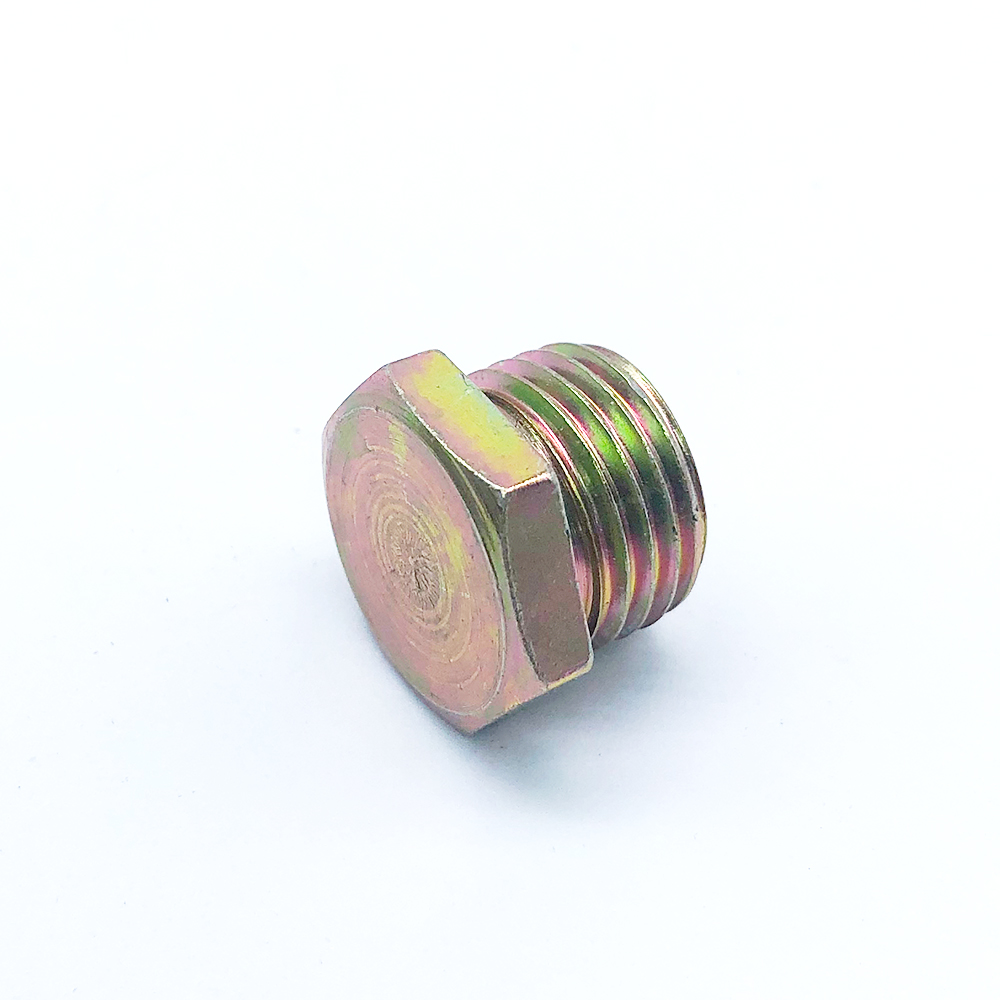
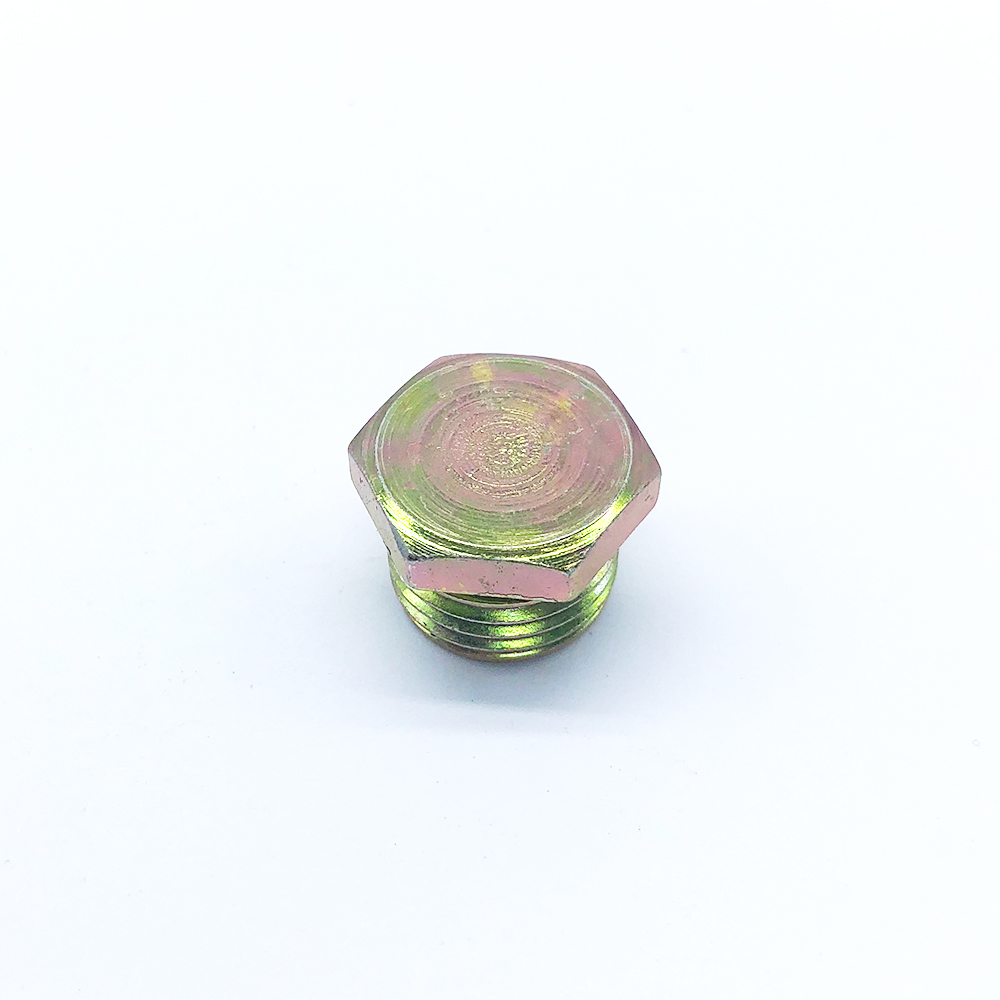

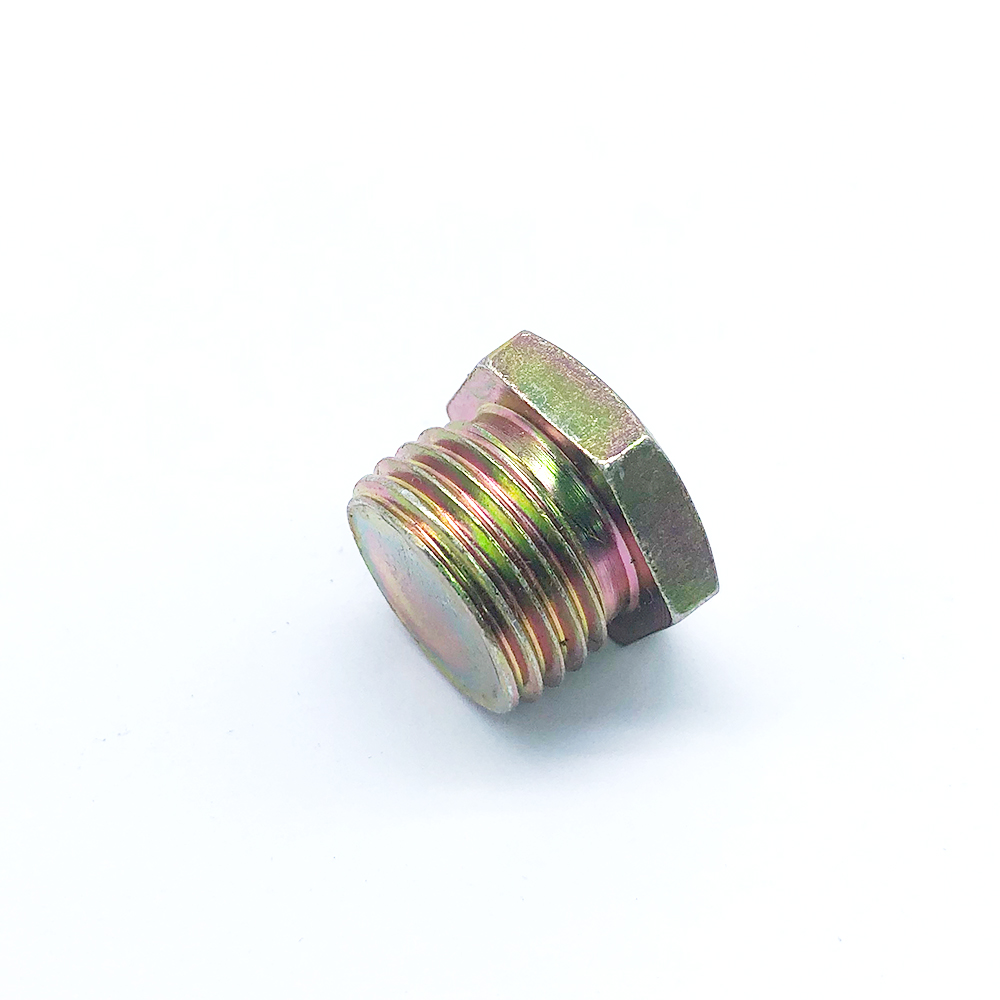
Size: M16*2*17.7*13.4h
Grade: 8
Material: 10b21
Finish: Zinc plating with color
Material:
Design:
Size and Thread Type: Excavator oil pipe plugs come in a variety of sizes to match the different pipe diameters used in excavator hydraulic systems. The thread type (e.g., NPT, BSPT, or BSPP) and size will depend on the specific application.
Pressure Resistance: These plugs are designed to withstand the pressure of oil and hydraulic fluid inside the pipes. Excavator hydraulic systems typically operate under high pressure, and the plugs must be able to handle this pressure without leaking or failing.
Temperature Resistance: Excavator hydraulic systems can reach high operating temperatures, and the plugs need to resist the heat generated. As such, materials used for these plugs are selected to maintain integrity and sealing ability under high temperatures.
Hydraulic Systems: In excavators, the hydraulic system is used for various functions, including controlling the boom, arm, bucket, and swing mechanisms. Oil pipe plugs are used to seal off hydraulic lines during maintenance or when the system needs to be isolated.
Engine Oil Systems: Some excavators use oil plugs in engine oil passageways. These plugs help seal off sections of the oil system during engine disassembly, maintenance, or when testing.
Preventing Contamination: During maintenance, oil pipe plugs are used to prevent dirt, debris, or moisture from entering the hydraulic lines, which could lead to damage or contamination of the hydraulic fluid.
System Shutdown: When certain parts of the hydraulic or lubrication systems are temporarily shut down for maintenance or modification, oil pipe plugs are used to close off certain ports or lines.
Testing: Oil pipe plugs are often used when pressure testing hydraulic systems. They help to block off sections of the system to test for leaks and integrity of the components before the system is fully activated.
Leak Prevention: The most critical function of an oil pipe plug is to prevent leaks of oil or hydraulic fluid, ensuring that the hydraulic system works efficiently without loss of fluid.
System Integrity: The plugs help maintain the integrity of the hydraulic system by ensuring that fluid does not escape and that no contaminants enter the system.
Durability: Well-designed plugs are resistant to the harsh conditions found in excavation work, including high pressure, fluctuating temperatures, and exposure to oil and hydraulic fluid.
Ease of Maintenance: Using oil pipe plugs allows for easier and safer maintenance and repairs of the excavator's hydraulic or oil systems. By blocking off specific lines or ports, technicians can isolate sections of the system without draining or disassembling the entire system.
Cost-Effective: Excavator oil pipe plugs are a relatively low-cost component compared to other parts of the hydraulic system, but they are essential for maintaining proper function and avoiding leaks, which can be costly to repair.

SUNO GROUP LIMITED founded in 1990 and certificated by ISO 9001 & IATF 16949, is a professional automotive fasteners supplier in China.