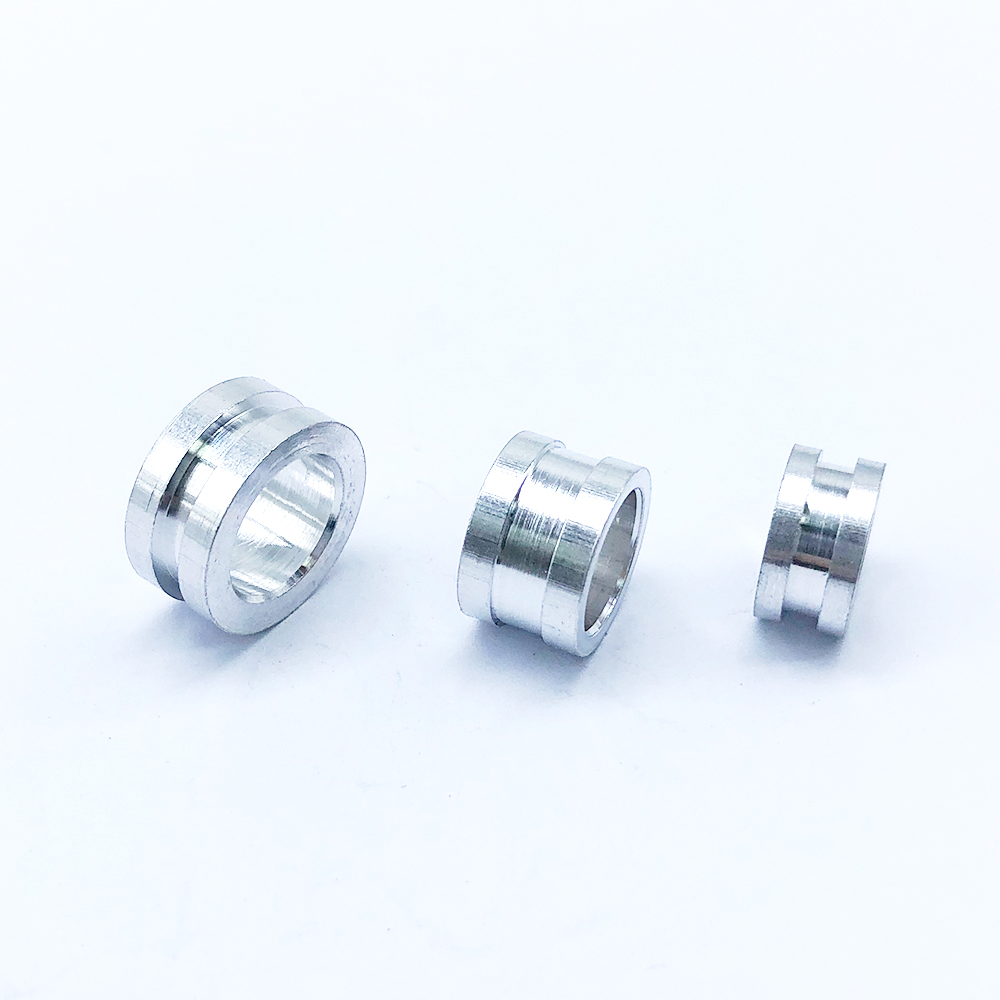


Size: M8.5*13*6h, M8*11*3*7h, M7*10*2*5
Grade: T6
Material: Al6061
Finish: Surface oxidation treatment
Function: The primary role of the conveyor belt-driven wheel is to provide the necessary rotational force to drive the conveyor belt. It is usually part of the drive system, which includes motors, pulleys, and belts, all working together to transport materials along the conveyor.
Construction: The wheel itself is typically mounted on a shaft and is designed to fit snugly with the conveyor belt, either by direct contact or through an intermediary component like a pulley.
Size and Design: The size and design of the wheel vary based on the type of conveyor system, the size of the load, and the belt's speed and tension. A larger diameter wheel will generally be able to handle higher loads or provide smoother operation over long distances.
Types of Conveyor Belt-Driven Wheels:
Material Handling: Conveyor belt-driven wheels are a core component of conveyor systems used in material handling applications such as assembly lines, package handling, sorting, and warehouse logistics.
Food Processing: Conveyor belts with driven wheels are used in food processing plants to move ingredients, products, or packaging materials. The driven wheels in these systems are often designed to meet stringent hygiene standards and be easy to clean.
Mining and Aggregate Industries: Conveyor belt systems with driven wheels are extensively used in mining and aggregate operations to move ore, gravel, sand, or coal. These systems often need to handle heavy loads and operate in rugged, harsh environments.
Material Transportation: In airports, postal systems, and baggage handling, conveyor systems with driven wheels are used to move luggage or parcels through various stages of processing or sorting.
Automotive and Assembly Line: Conveyor belts with driven wheels are widely used in automotive assembly lines, where they transport components or vehicles through various stages of assembly. The wheels help maintain a consistent speed and smooth movement for precise assembly tasks.
Efficiency: By providing continuous motion and stability to the conveyor belt, these wheels help ensure that materials or products move efficiently through the system with minimal downtime or stoppages.
Load Handling: Conveyor belt-driven wheels, when properly sized and designed, can handle a wide range of loads, from lightweight packages to heavy materials, depending on the application.
Reduced Wear: A properly functioning drive wheel reduces friction and wear on the conveyor belt by ensuring smooth movement. This can extend the life of the conveyor system.
Customization: Conveyor belt-driven wheels can be customized to meet the specific needs of an application, including changes in size, material, and surface design.
Increased Productivity: By maintaining consistent belt speeds and reducing stoppages, conveyor belt-driven wheels contribute to increased productivity in manufacturing and logistics systems.

SUNO GROUP LIMITED founded in 1990 and certificated by ISO 9001 & IATF 16949, is a professional automotive fasteners supplier in China.