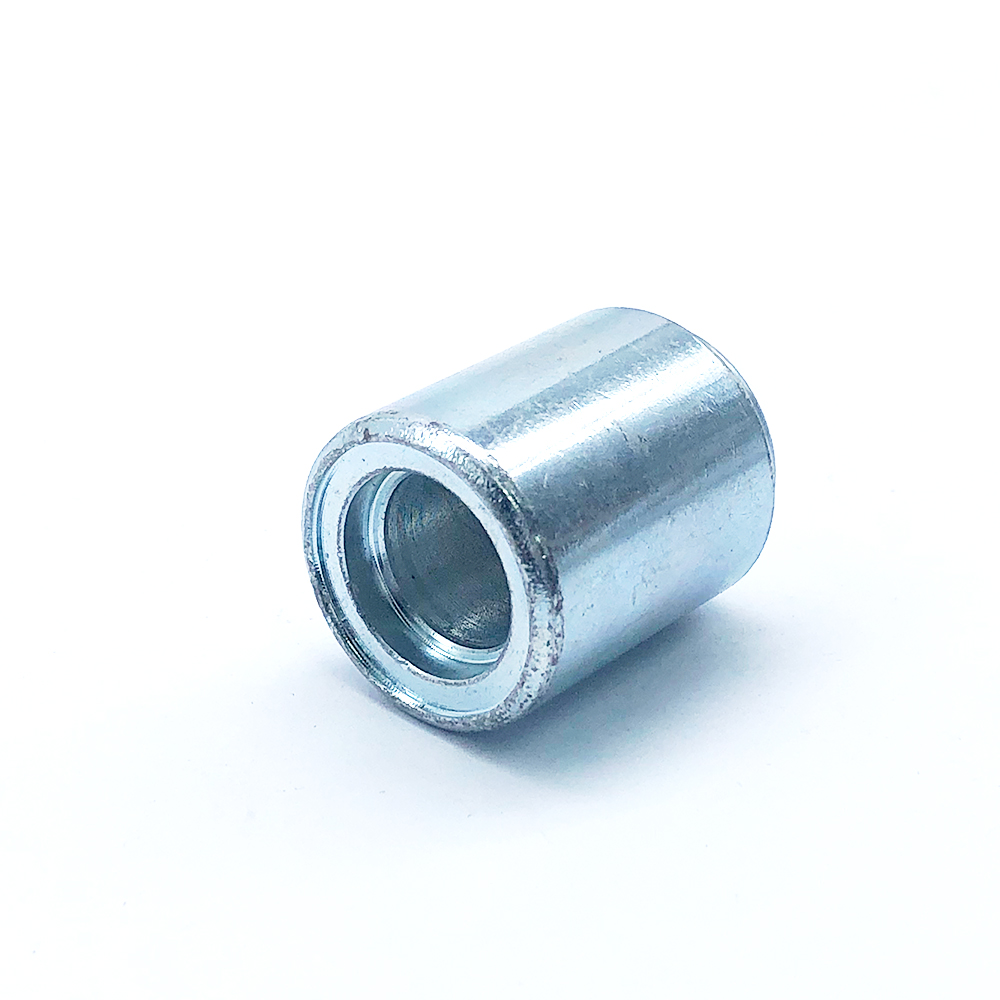
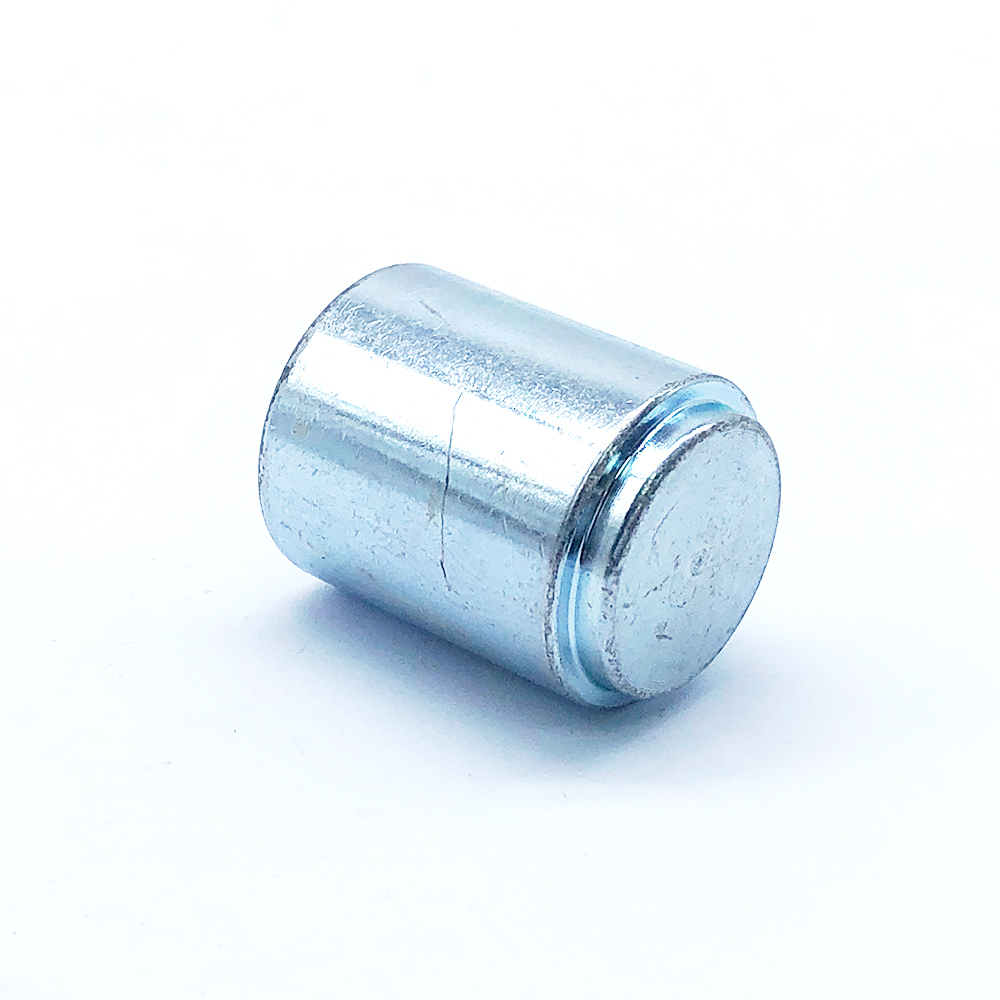
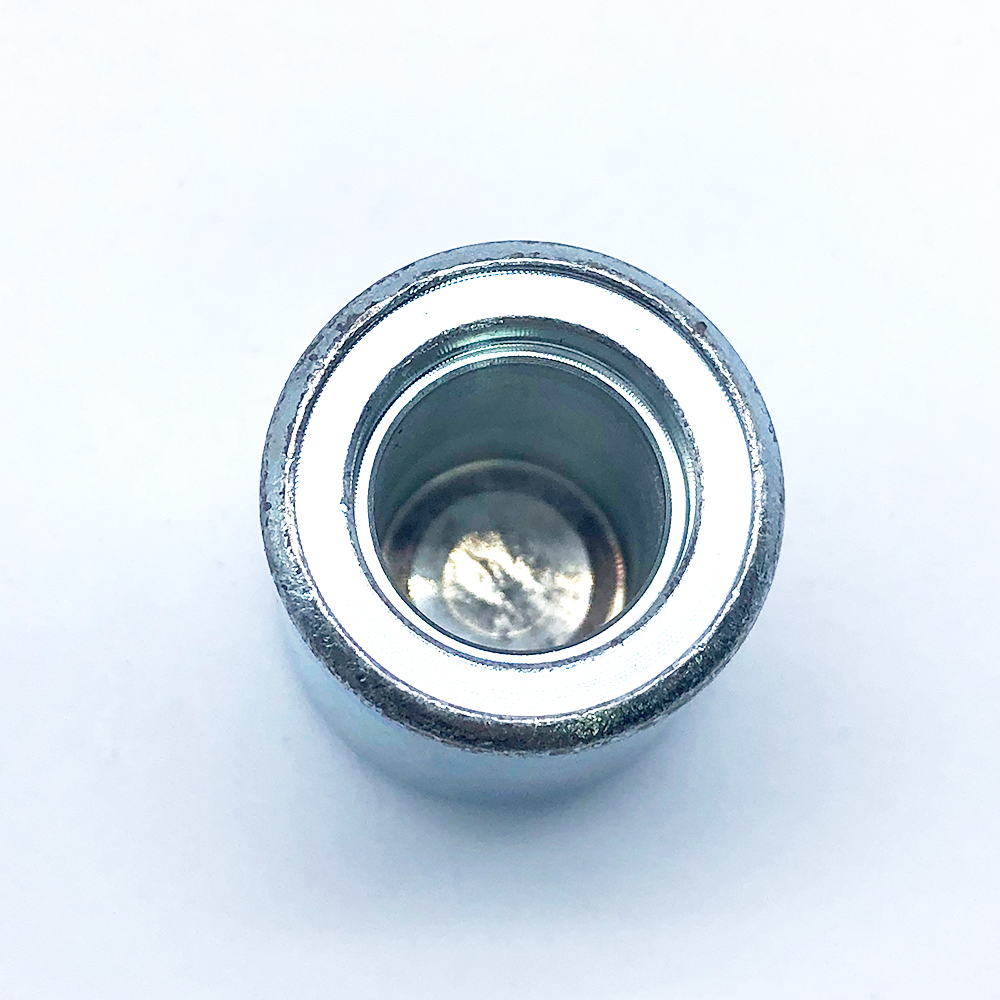
A spacer sleeve is a cylindrical component used to create a gap or space between two parts in a mechanical assembly. Its primary function is to maintain alignment, prevent parts from touching directly, and provide a specific distance between components. Spacer sleeves are commonly used in applications where precision and spacing are critical, such as in shafts, bearings, gears, or other rotating assemblies.
Cylindrical Shape: Spacer sleeves typically have a simple cylindrical design, allowing them to fit over or between components like shafts, rods, or bolts. They come in various lengths and diameters to fit specific applications.
Material: Spacer sleeves are made from a wide range of materials, depending on the application. Common materials include steel, stainless steel, brass, aluminum, plastic, and composites. The material choice is often based on factors such as load-bearing capacity, corrosion resistance, or electrical conductivity.
Internal and External Dimensions: Spacer sleeves may have an internal diameter (ID) to fit around a shaft or other component and an external diameter (OD) that fits within a housing or another component. The length of the sleeve will depend on the required space between the two parts.
Precision: Spacer sleeves are often manufactured to tight tolerances to ensure the correct spacing and alignment between parts. The precise dimensions of the sleeve are critical for ensuring proper fit and function in an assembly.
Common Uses:
Shaft and Bearing Assemblies: In machinery, spacer sleeves are often used between bearings and shafts to ensure proper alignment and spacing, helping to reduce friction and wear.
Couplings and Gears: Spacer sleeves are used to maintain the correct alignment and distance between shafts, gears, or coupling elements, ensuring smooth operation and reducing the risk of component damage.
Automotive Applications: In vehicles, spacer sleeves can be found in suspension systems, wheel hubs, or transmission assemblies, where they are used to ensure proper clearance between components and reduce wear.
Electronics and Electrical Systems: Spacer sleeves are used in electronic devices, such as between circuit boards or other components, to ensure proper positioning, cooling, and electrical isolation.
Industrial Equipment: Spacer sleeves are used in heavy machinery, pumps, conveyor systems, and other industrial equipment to keep moving parts aligned and maintain necessary gaps or tolerances.
Advantages:
Precise Spacing: Spacer sleeves allow for precise control over the spacing between components, ensuring proper clearance and alignment in mechanical assemblies.
Alignment and Stability: By maintaining the correct spacing between parts, spacer sleeves help prevent misalignment, which can lead to premature wear, vibration, or failure of components.
Load Distribution: In some applications, spacer sleeves help distribute load evenly across a surface, reducing the risk of concentrated stresses that could damage parts.
Ease of Installation: Spacer sleeves are often easy to install, as they generally slide over a shaft or other component and can be fixed in place with a simple fastener or press fit.
Versatility: Spacer sleeves come in a wide range of sizes and materials, making them adaptable to a variety of different applications in machinery, automotive, and other industries.
Applications in Detail:
Automotive Suspension: Spacer sleeves in suspension systems maintain the necessary clearance between suspension components like springs, bushings, and control arms, which helps to reduce wear and improve the performance of the system.
Shaft Bearings: In machinery, spacer sleeves are often used between bearing races and shafts to maintain proper alignment and spacing, which reduces friction and increases the lifespan of the bearings.
Gearboxes and Transmissions: Spacer sleeves help maintain the proper alignment and spacing between gears or other components in gearboxes, ensuring smooth operation and preventing excessive wear on the teeth.
HVAC Systems: Spacer sleeves can be used in air conditioning and refrigeration systems to maintain the correct positioning of moving parts, such as compressors or fans.