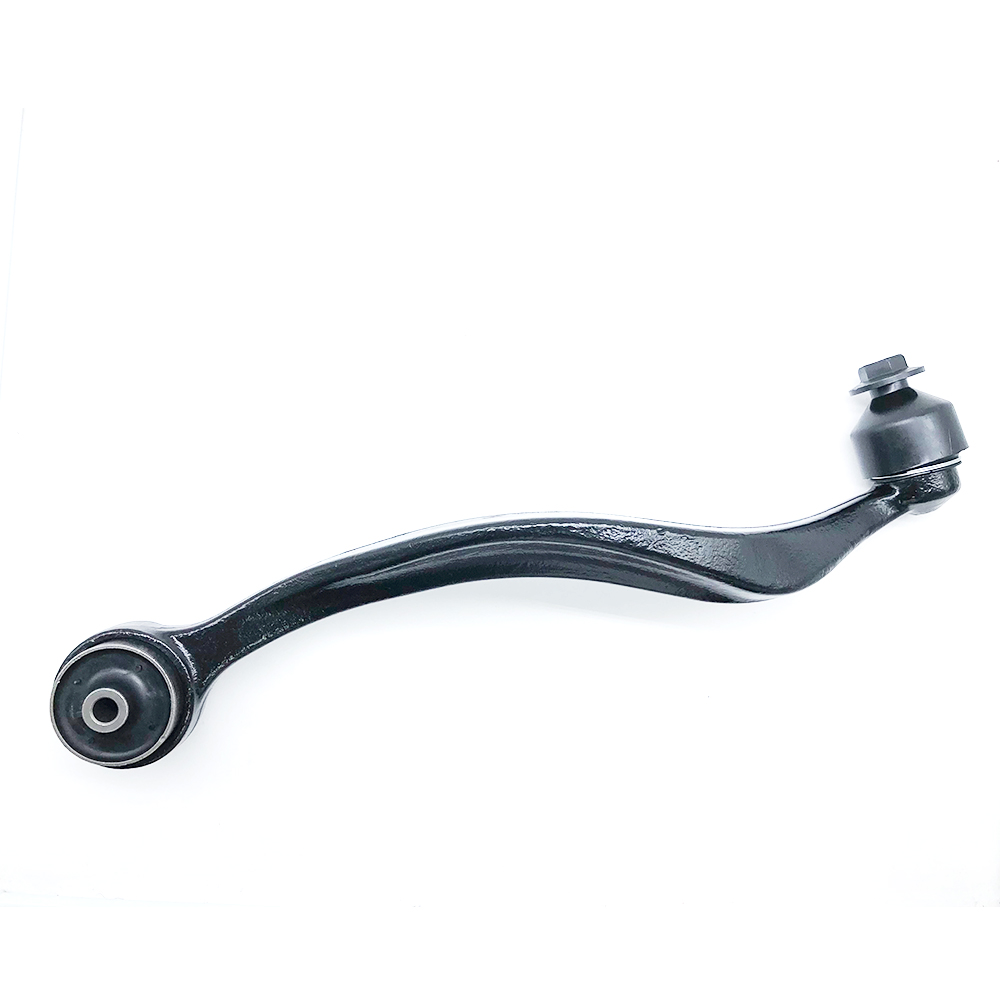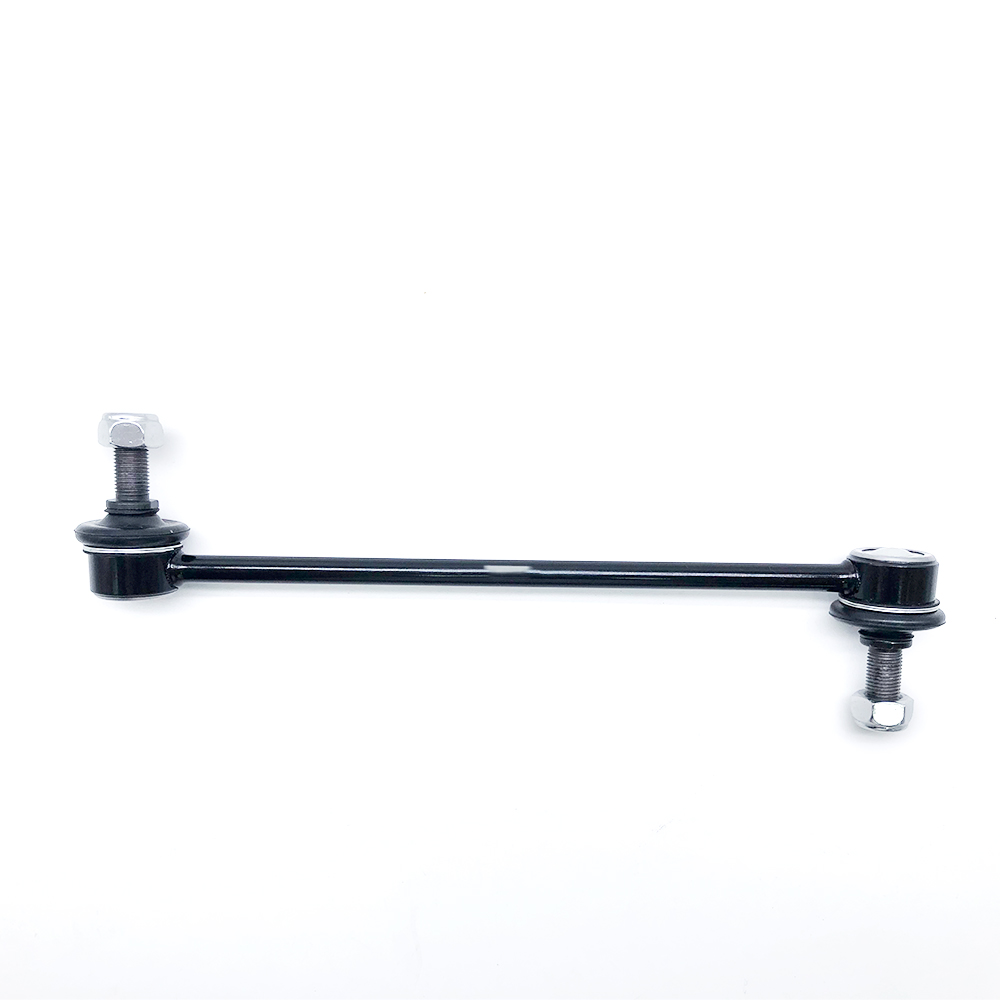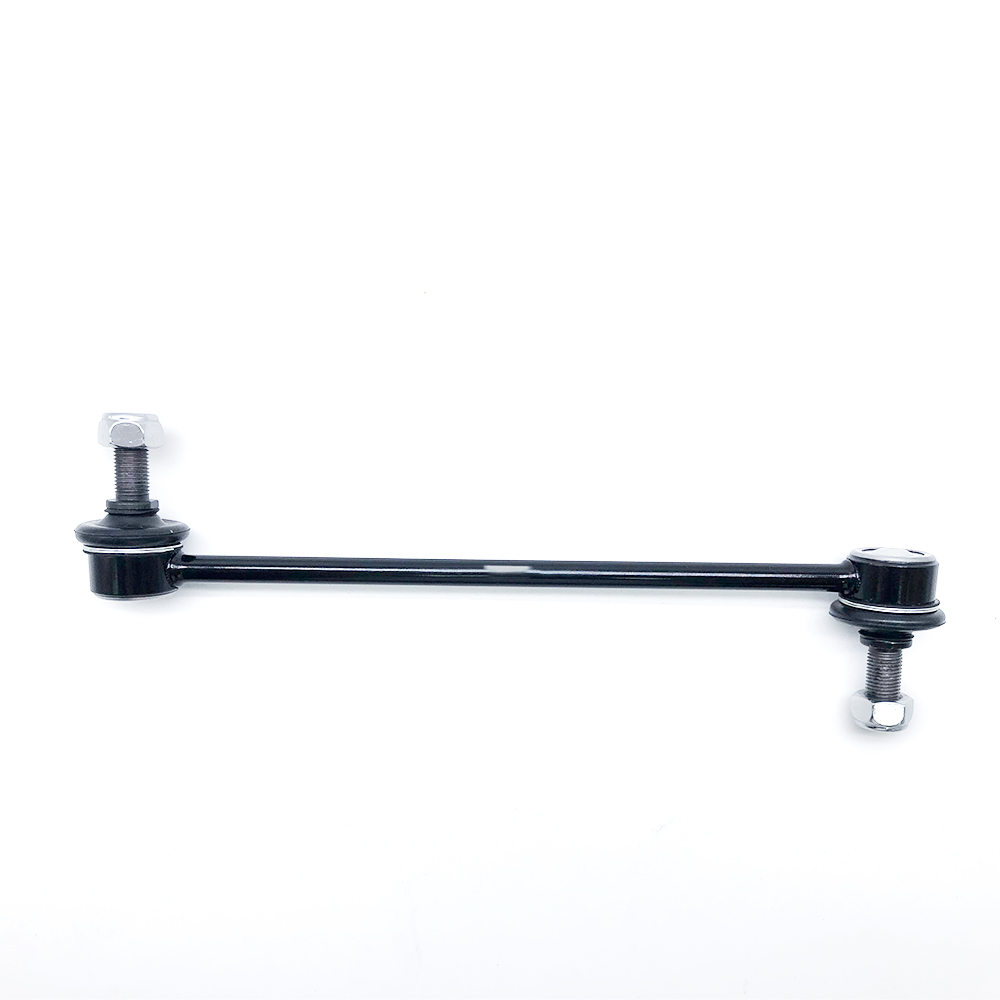
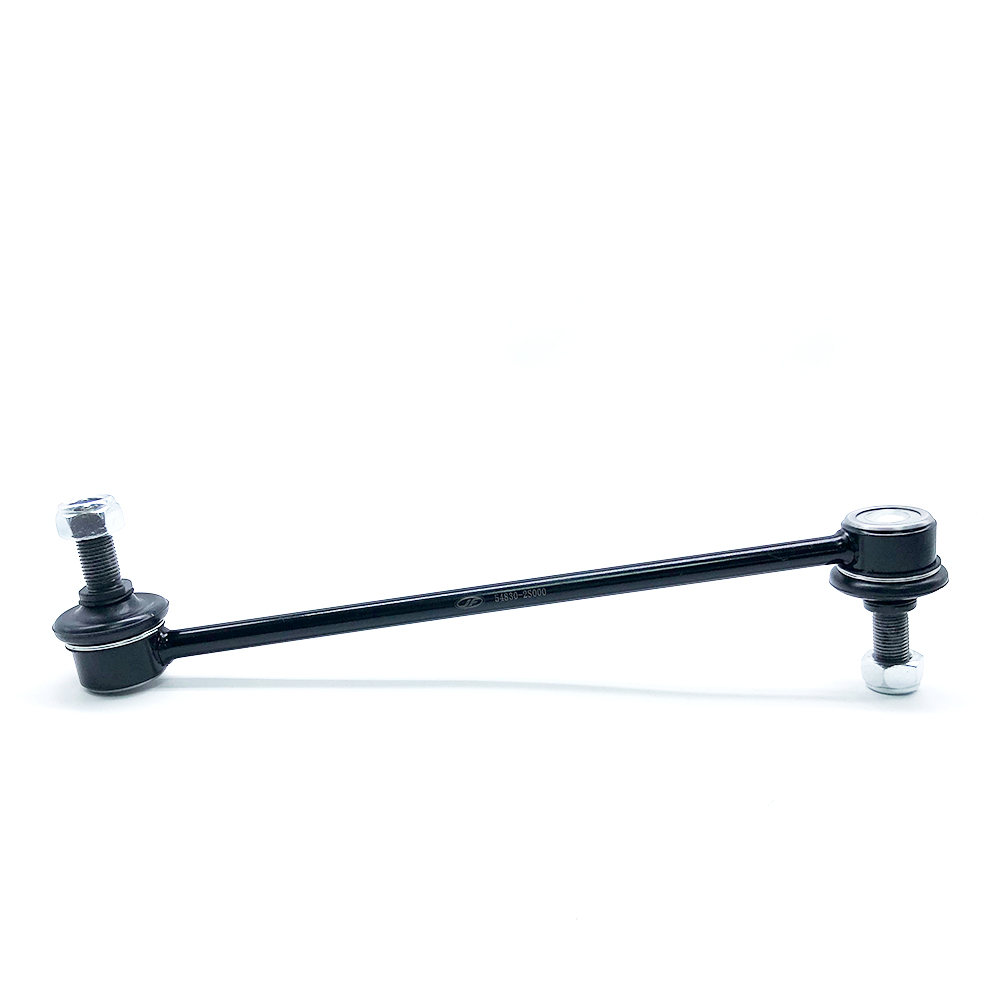
Stabilizer Bar Link

A stabilizer bar link, also known as a sway bar link or anti-roll bar link, is an important component in a vehicle's suspension system. It connects the stabilizer bar (or sway bar) to the suspension arms or control arms, helping to reduce body roll (side-to-side tilting) during turns or sudden maneuvers. The stabilizer bar link plays a crucial role in maintaining vehicle stability, especially during cornering, and helps improve handling, safety, and ride comfort.

CAR NAME/MODEL/YEAR/ POSITION:

HYUNDAI TUCSON 2010-2013 Front   R/L 

KIA SPORTAGE 2011-2013


Key Features of a Stabilizer Bar Link:

  • Connection Between Stabilizer Bar and Suspension: The stabilizer bar link connects the ends of the stabilizer bar (anti-roll bar) to the left and right sides of the vehicle’s suspension, typically to the control arms or strut assemblies.
  • Ball Joints or Bushings: The link usually features either ball joints or rubber/urethane bushings at both ends to allow for movement while maintaining a firm connection between the sway bar and suspension components.
  • Length and Adjustment: In some vehicles, the stabilizer bar link is designed to be adjustable in length, allowing for precise adjustments to the suspension geometry or alignment.

Function:

  1. Reducing Body Roll: The primary function of the stabilizer bar (sway bar) and its links is to reduce body roll during cornering. When a vehicle turns, the weight of the vehicle shifts to one side, causing the body to lean. The stabilizer bar helps transfer some of this load to the opposite side of the vehicle, reducing the amount of lean or roll.

  2. Improving Handling and Stability: By reducing body roll, the stabilizer bar link helps improve vehicle handling and stability, making it easier to control the vehicle during turns, sudden maneuvers, or when driving at high speeds. This results in more precise steering and a safer driving experience.

  3. Maintaining Suspension Geometry: The stabilizer bar link ensures that the sway bar is correctly positioned relative to the suspension components, allowing the system to work efficiently in distributing forces evenly across the vehicle during dynamic driving conditions.

Materials:

  • Steel: The links themselves are typically made of strong materials like steel or forged steel, as they need to withstand the forces involved in handling and cornering.
  • Alloy Steel: Some high-performance or heavy-duty stabilizer bar links may use alloy steel for increased durability.
  • Rubber or Urethane: The bushings at the ends of the link (or ball joints) are typically made from rubber or urethane to provide cushioning and reduce noise, while still allowing some flexibility for movement.
  • Forged or Aluminum Components: Some performance-oriented or lightweight vehicles may use forged aluminum or other materials to reduce weight while maintaining strength.

Common Applications:

  1. Passenger Vehicles: Stabilizer bar links are used in most modern cars and SUVs to help control body roll and improve handling, particularly in vehicles with independent suspension systems or MacPherson struts.

  2. Performance and Racing Cars: In performance or racing vehicles, stabilizer bar links may be upgraded to stronger, adjustable versions to fine-tune handling characteristics and reduce body roll during high-speed cornering.

  3. Off-Road Vehicles: Off-road vehicles often have reinforced stabilizer bar links to withstand the rough conditions and heavy loads encountered during off-road driving. Some off-road vehicles also have disconnectable sway bars that allow for increased suspension articulation while off-roading.

  4. Heavy-Duty Trucks and SUVs: In larger vehicles, such as commercial trucks, SUVs, and 4x4s, stabilizer bar links help maintain stability and control, particularly when driving on uneven or sloped terrain.

Contact Us
We served more than 100,000 customers and exported more than 100+ countries in the world.
We have 100+ workers and 10+ R&D and quality employees.

SUNO GROUP LIMITED founded in 1990 and certificated by ISO 9001 & IATF 16949, is a professional automotive fasteners supplier in China.  

Shortcut links
Contact with us
Tel: +86 136 9362 3001

Add:
2110, Floor 18, Building 3, Yard No. 6, East Futong Street, Beijing, China