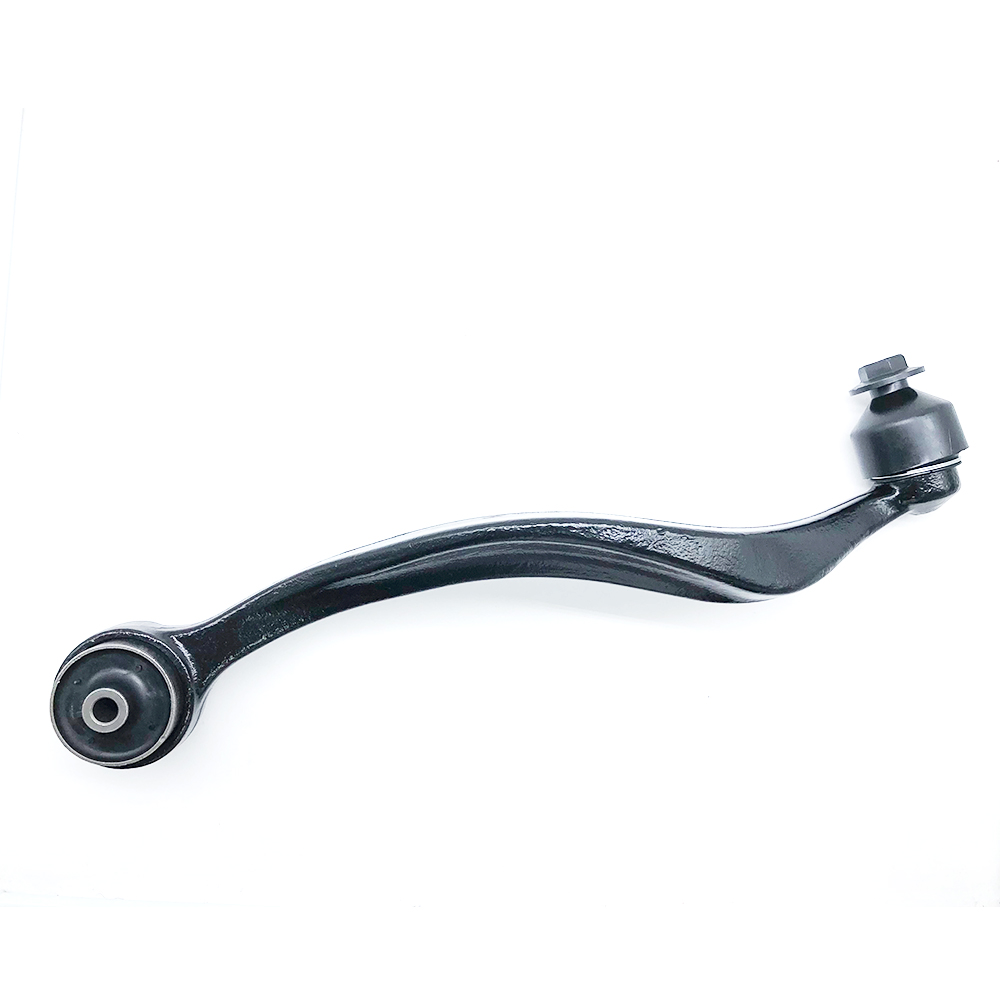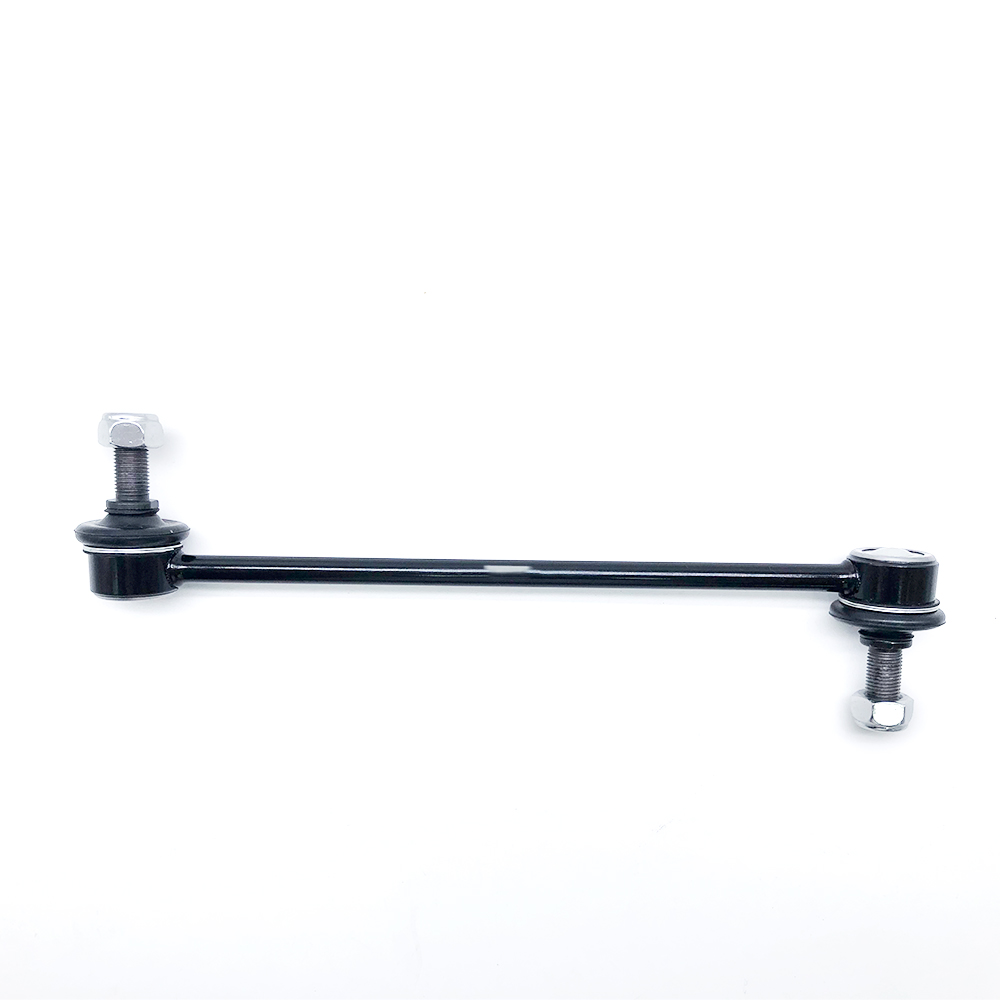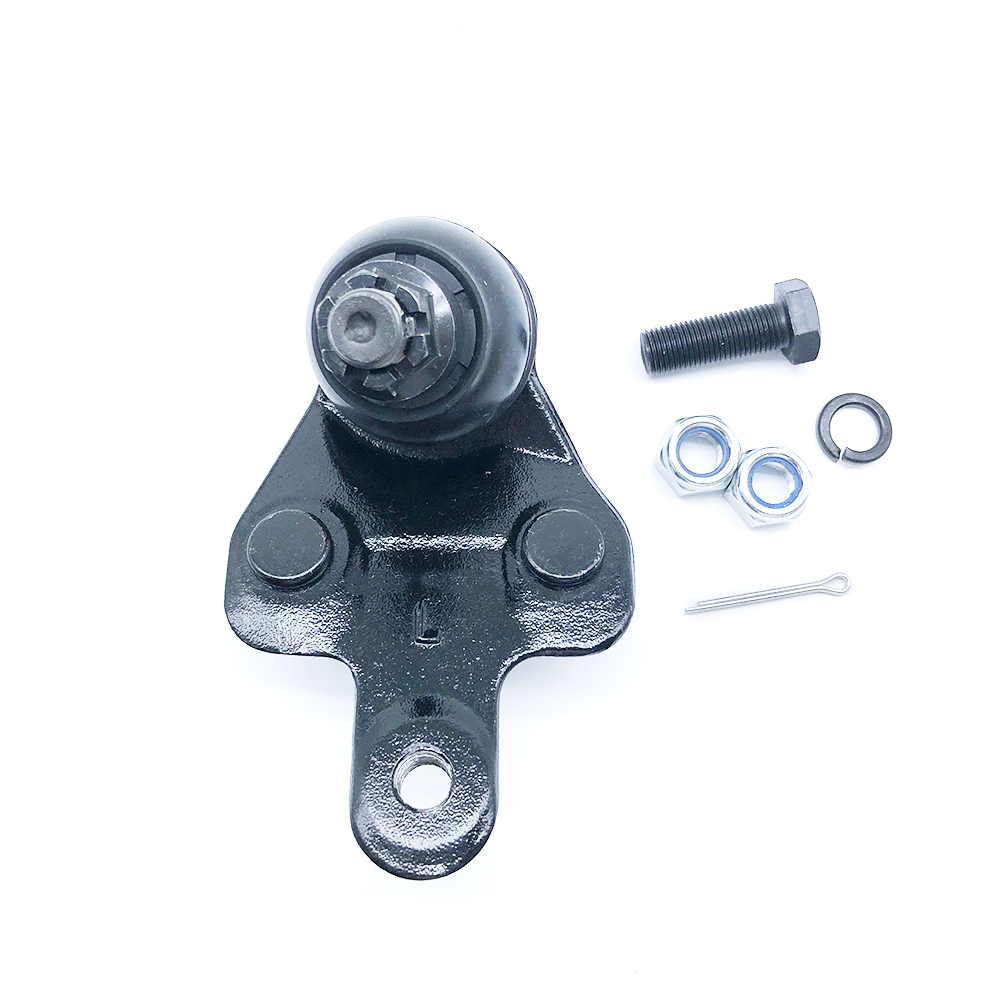
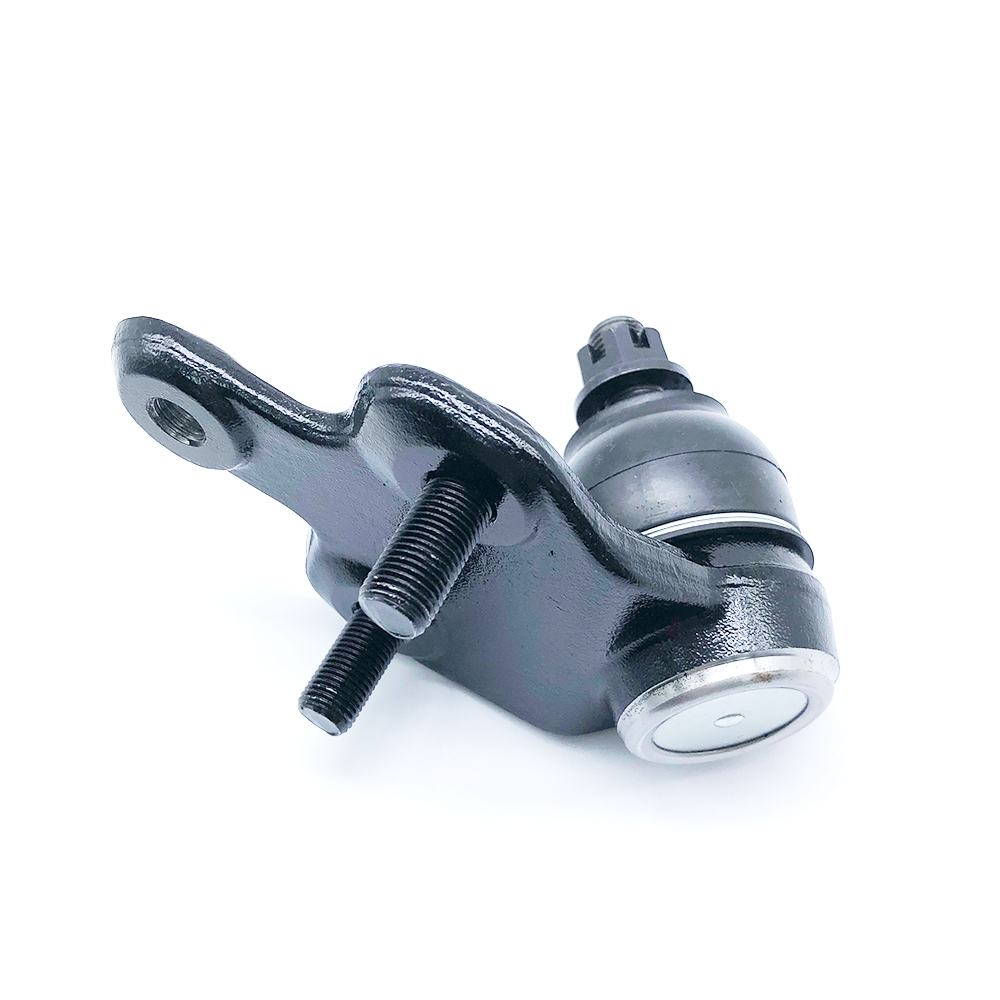
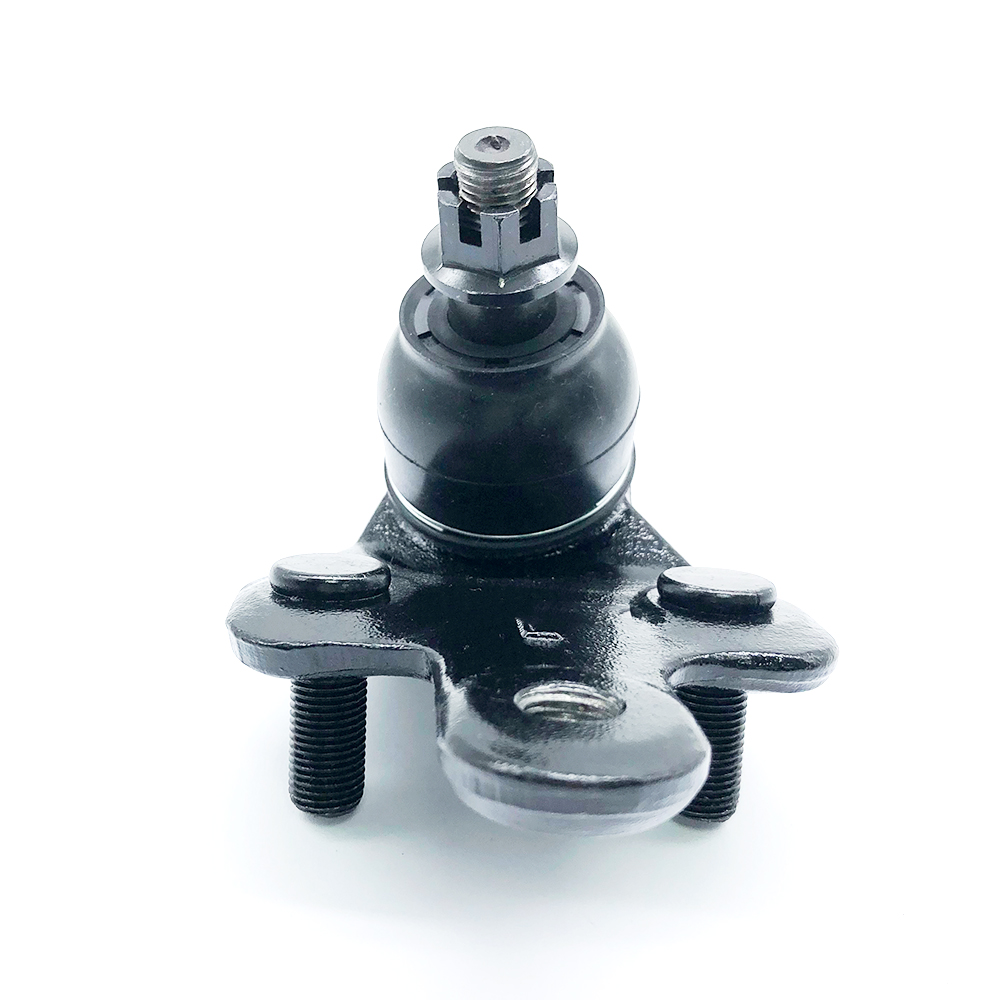
CAR NAME/MODEL/YEAR/ POSITION:
LEXUS RX350 2010-2016 LOW L
RX450H 2010-2016
TOYOTA HIGHLANDER 2008-2016
SIENNA 2011-2016
VENZA 2009-2015
Allowing Suspension Movement: Ball joints enable the suspension to absorb bumps and maintain the proper angle of the wheels. They allow the wheels to move vertically and pivot when turning, providing stability and smooth handling.
Steering Control: The ball joint transmits the steering input from the steering system (via tie rods and control arms) to the wheels, allowing them to turn in response to the driver’s commands.
Maintaining Alignment: Ball joints help maintain the correct alignment of the steering and suspension system, which is important for handling, tire wear, and vehicle stability.
Shock Absorption: The ball joint helps in absorbing forces from the road while allowing the suspension to maintain smooth, controlled movement, contributing to ride comfort and control.
Passenger Vehicles: Ball joints are used in most passenger cars, trucks, and SUVs with independent suspension systems (such as double wishbone, MacPherson strut, or multi-link systems).
Performance Vehicles: High-performance and racing vehicles often use ball joints designed for durability and precise control, as they are subjected to higher stresses during high-speed driving and cornering.
Heavy-Duty Vehicles: Ball joints in commercial trucks and large SUVs are designed to withstand the heavy loads and stresses that these vehicles experience.
Off-Road Vehicles: Off-road vehicles often use reinforced ball joints to handle the extreme conditions and forces encountered in rough terrain.

SUNO GROUP LIMITED founded in 1990 and certificated by ISO 9001 & IATF 16949, is a professional automotive fasteners supplier in China.