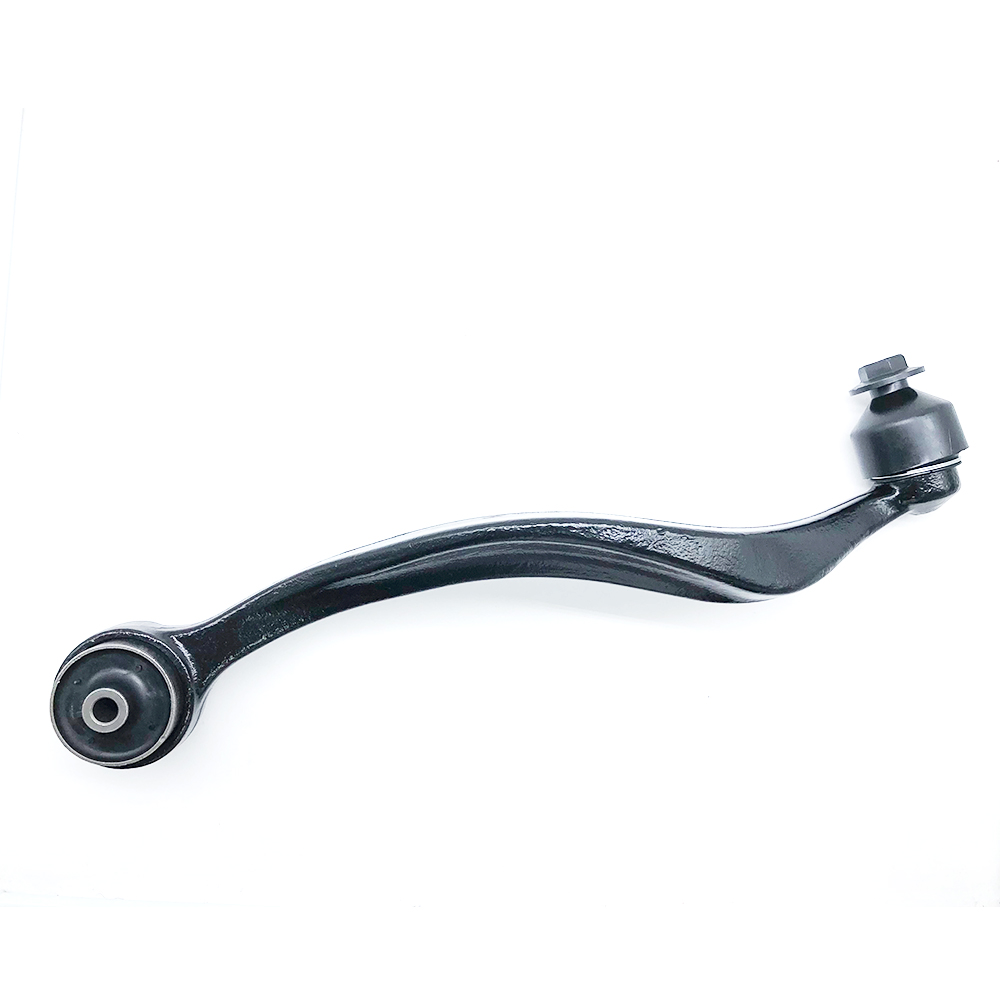
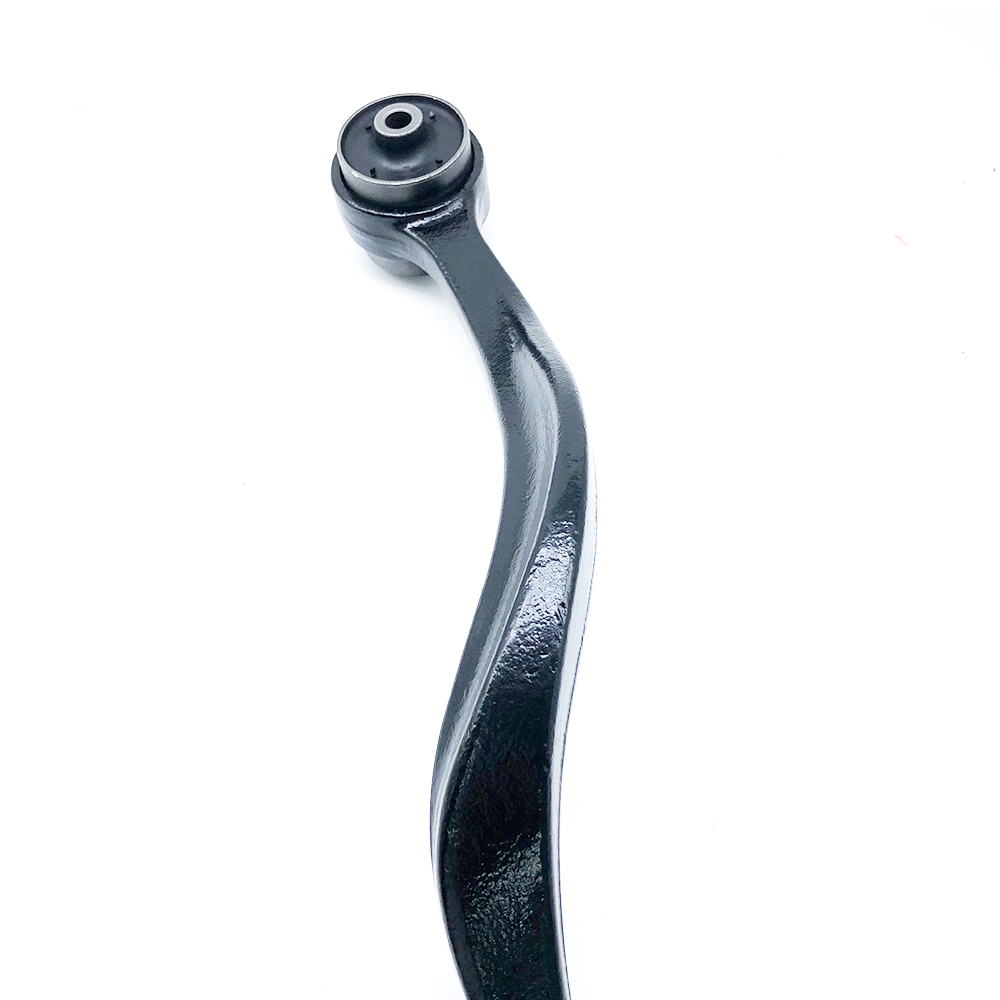
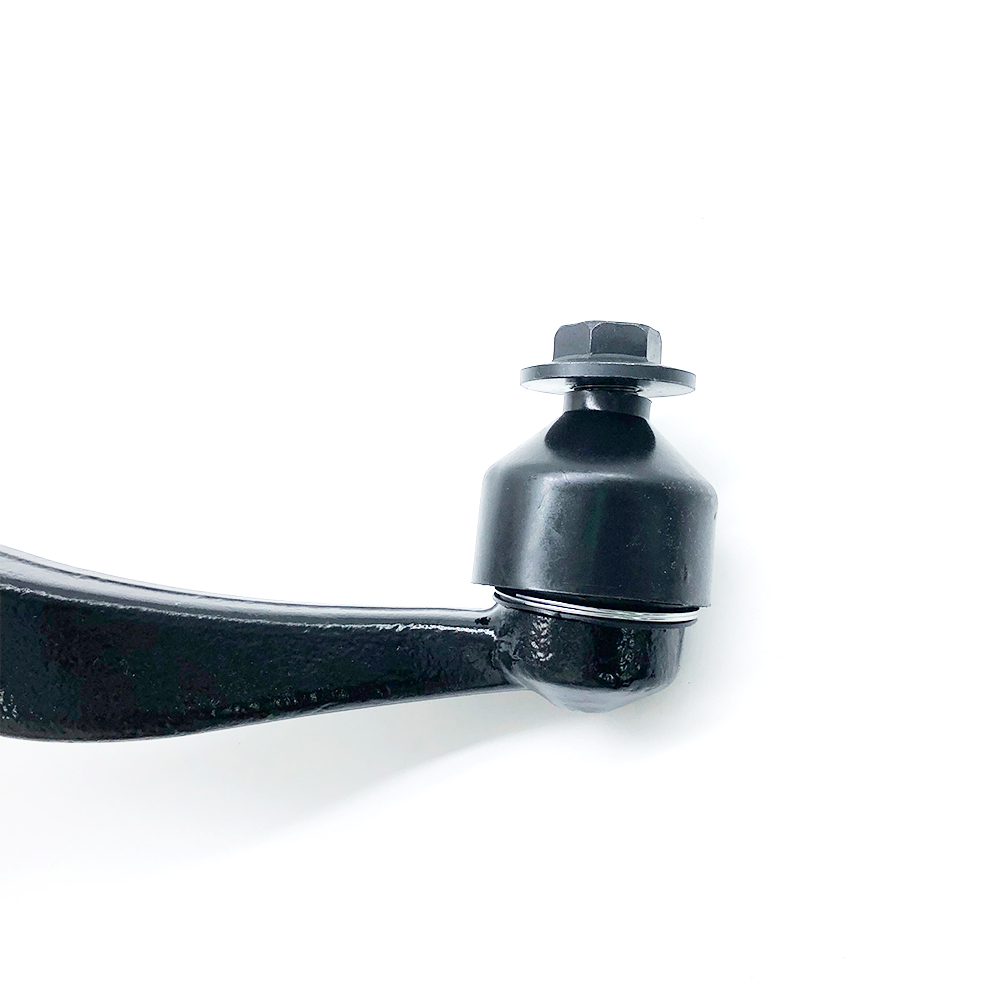
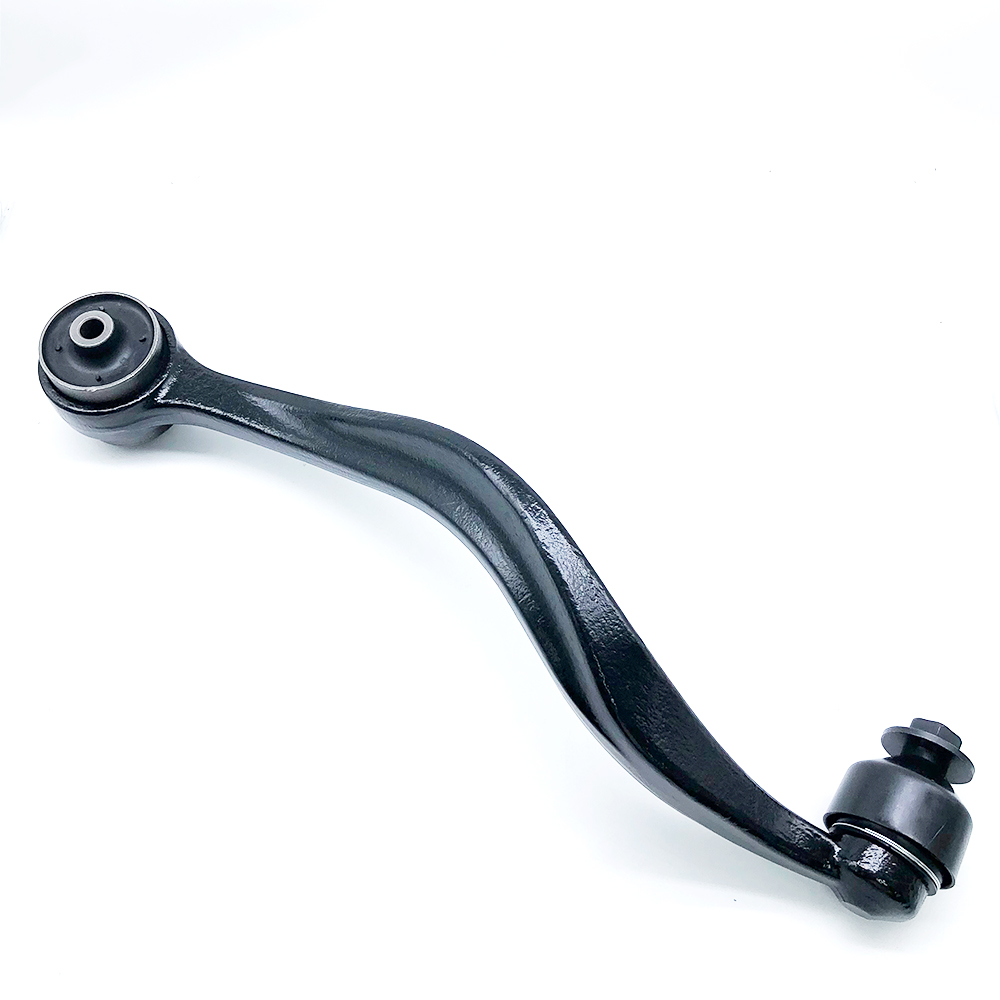
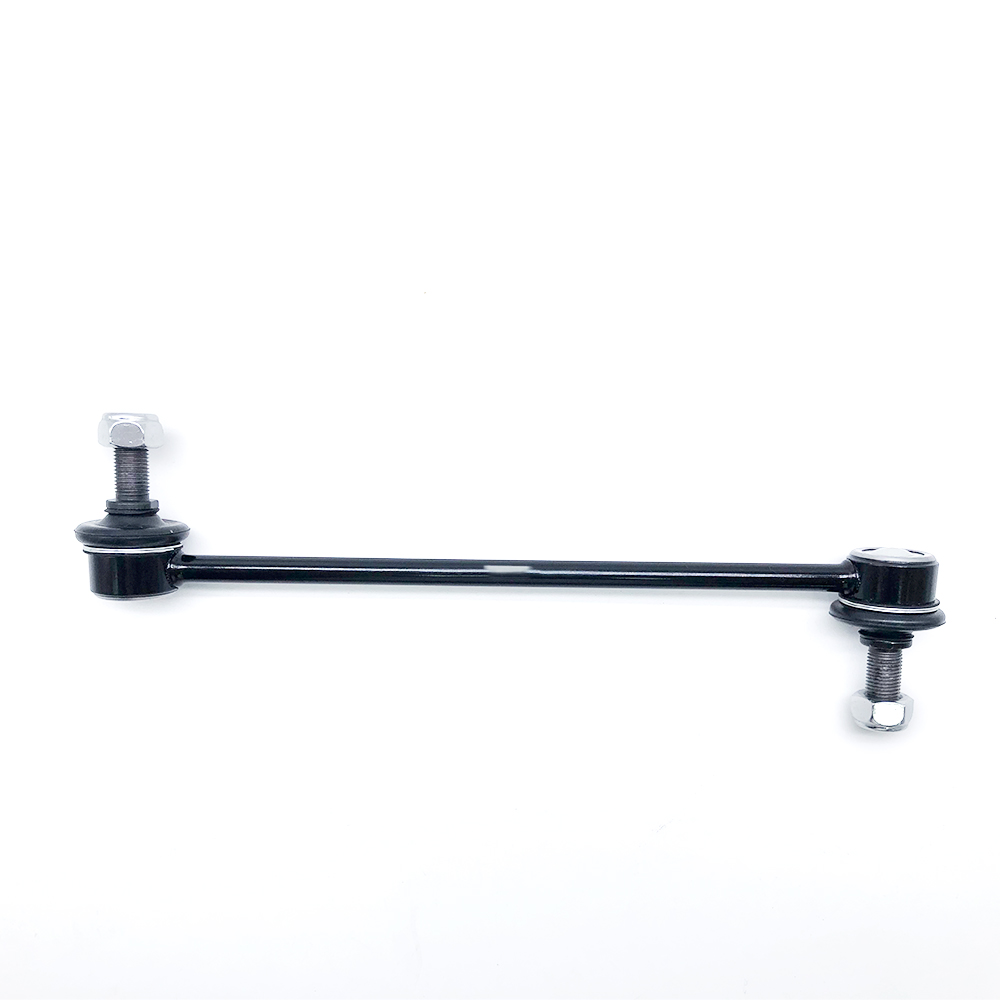
CAR NAME/MODEL/YEAR/ POSITION:
FORD FUSION 2006-2012 Front
LINCOLN MKZ 2007-2012 Right, Lower
LINCOLN ZEPHYR 2006
MAZDA M6 2003-2006
MERCURY MILAN 2006-2011
Key Features:
- Connection Points: A control arm typically has two connection points—one at the chassis and one at the steering knuckle or wheel assembly.
- Shape and Design: It’s often shaped like the letter "A" or sometimes a "V" or "L" depending on the suspension system design. This allows it to handle the forces from driving while allowing the wheel to move up and down.
- Bushings: At each connection point, control arms are equipped with rubber or polyurethane bushings to reduce noise, vibration, and harshness (NVH) while allowing some movement.
- Ball Joint or Pivot Point: The control arm is usually attached to the wheel assembly via a ball joint, which allows the wheel to turn and move up and down while the control arm stays fixed.
Functions and Importance:
Wheel Movement Control: Control arms allow the wheels to move vertically (up and down) in response to road conditions while keeping the wheel aligned with the vehicle’s body. This helps to maintain consistent tire contact with the road surface, which is essential for vehicle handling.
Wheel Alignment: The control arm plays a key role in maintaining the proper wheel alignment (camber, caster, and toe) by ensuring that the suspension geometry stays within the correct parameters, which is important for steering stability and tire wear.
Absorbing Forces: Control arms help absorb road impacts and prevent excessive forces from being transferred directly to the vehicle’s frame, contributing to ride comfort and safety.
Handling and Stability: Control arms contribute to the overall stability of the vehicle during turns, braking, and acceleration. They work in conjunction with other suspension components to optimize vehicle handling.
Vehicle Safety: Well-maintained control arms help ensure that the suspension system functions properly, directly influencing the vehicle’s braking, steering, and handling performance. Worn-out or damaged control arms can lead to alignment problems, uneven tire wear, and unsafe driving conditions.
Common Materials:
- Steel: Traditionally used for control arms due to its strength and durability. Steel control arms are cost-effective and capable of handling significant stresses.
- Aluminum: Lightweight aluminum control arms are often used in high-performance and luxury vehicles to reduce weight and improve fuel efficiency without sacrificing strength. Aluminum also resists corrosion better than steel.
- Composite Materials: Some high-end or specialty vehicles may use composite control arms made of materials like carbon fiber, which offer a balance of strength and weight reduction.
Common Applications:
- Passenger Cars: Most vehicles, from sedans to SUVs, use control arms as part of their suspension system.
- Sports Cars: Performance cars often use advanced suspension designs with double wishbone or multi-link control arms to improve handling.
- Trucks and Commercial Vehicles: Larger vehicles may use more robust control arms, especially on the rear suspension, to handle heavier loads.
- Off-Road Vehicles: Off-road vehicles often use heavy-duty control arms to handle rough terrain, shocks, and loads.