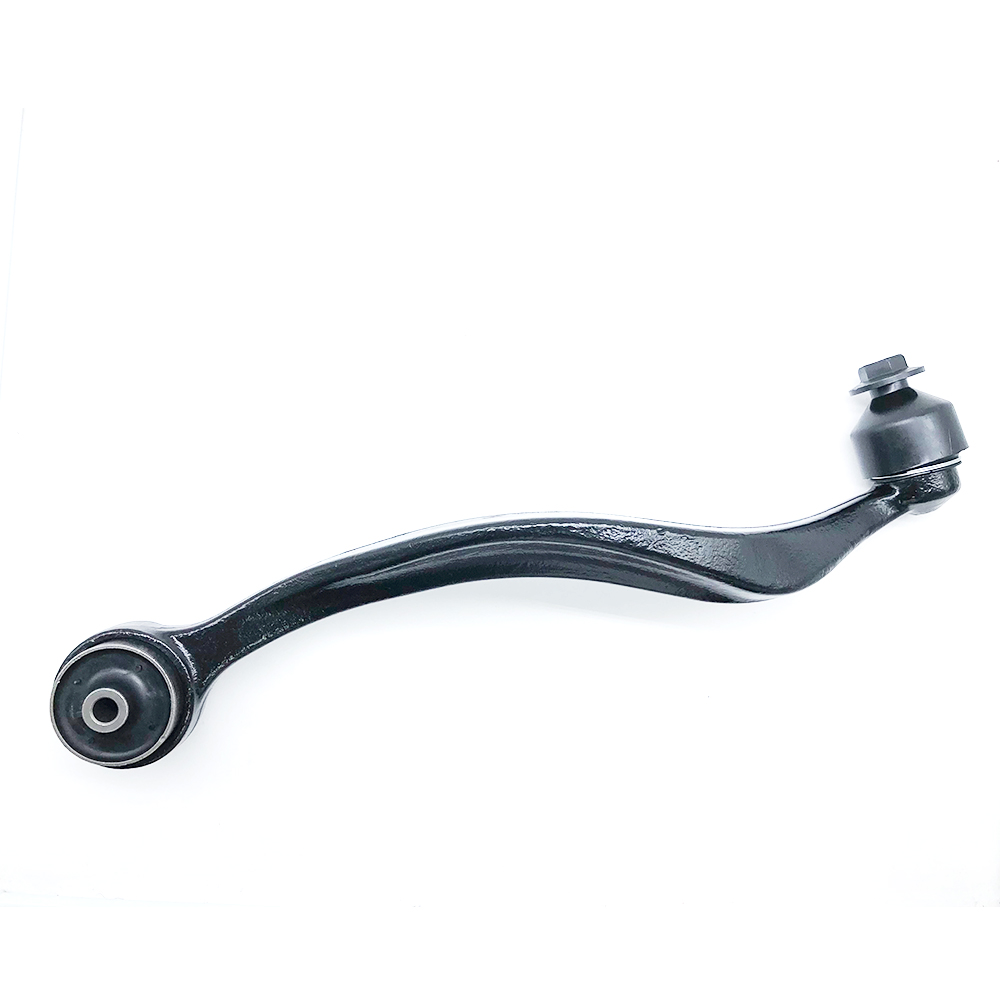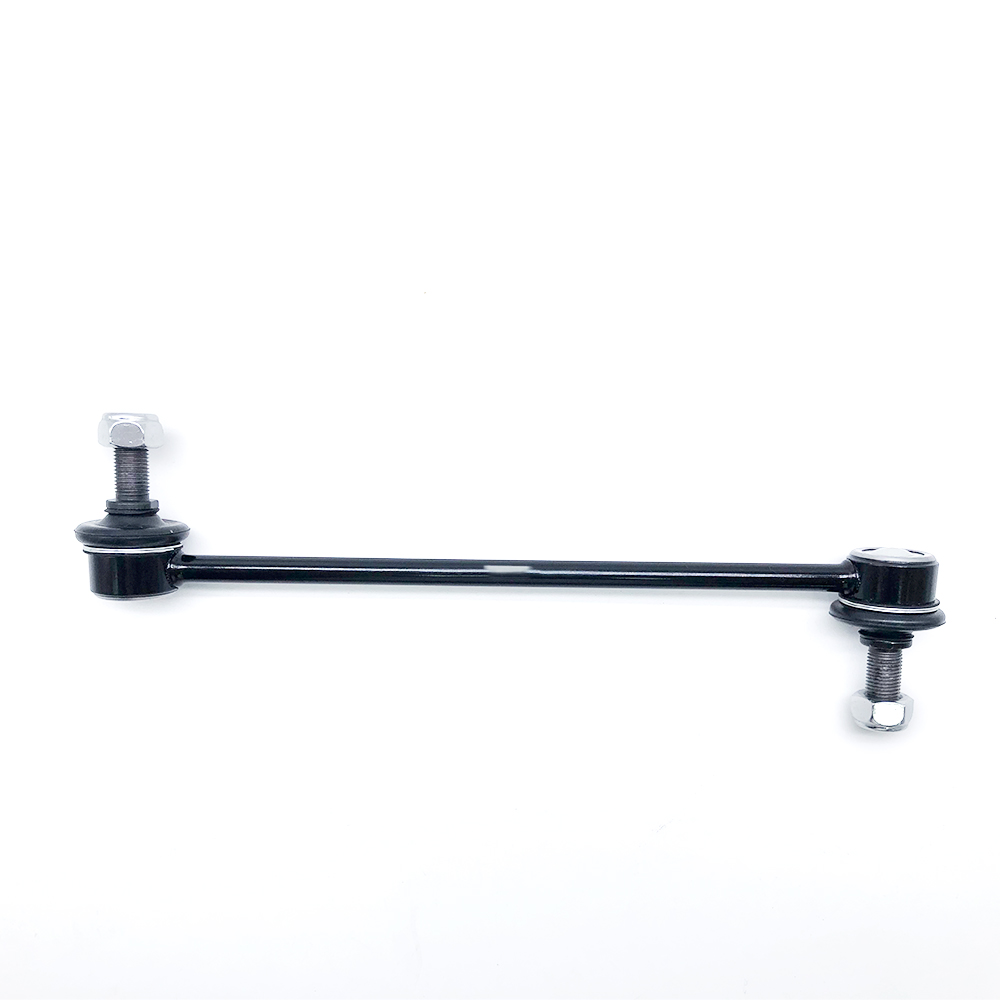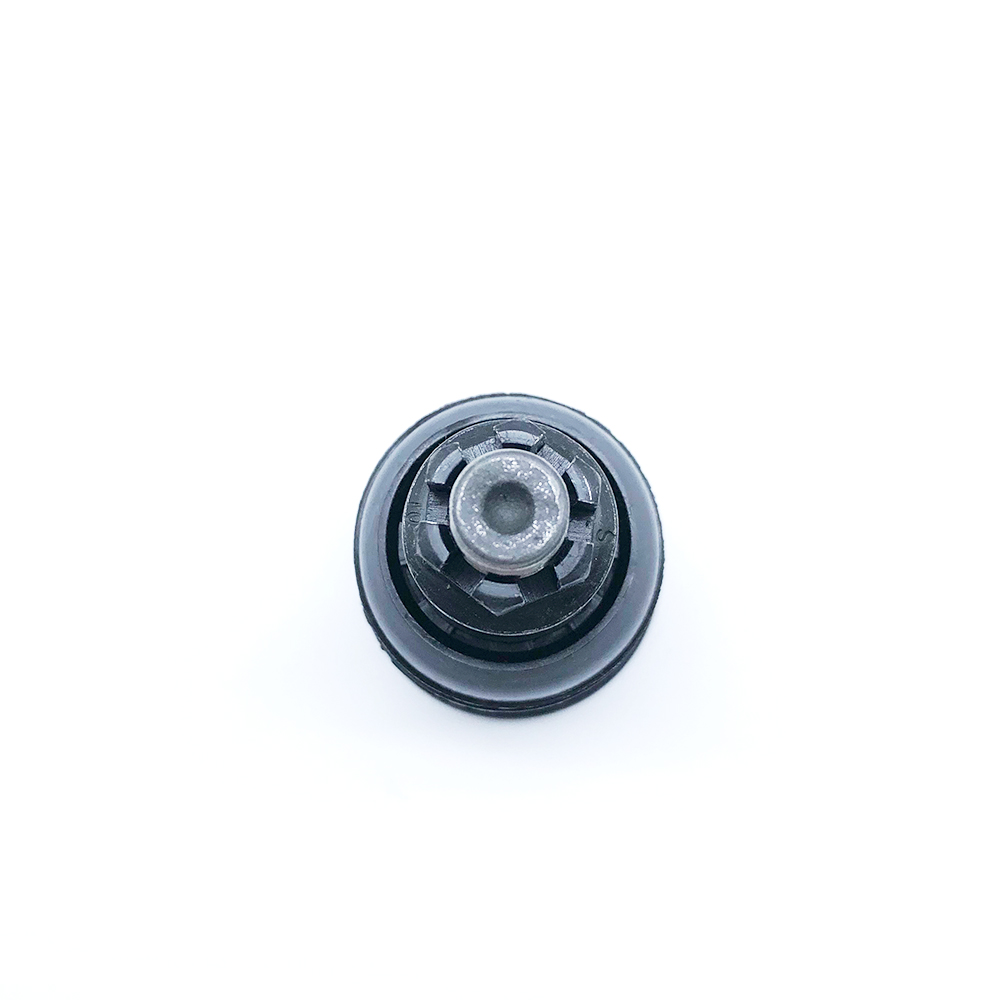
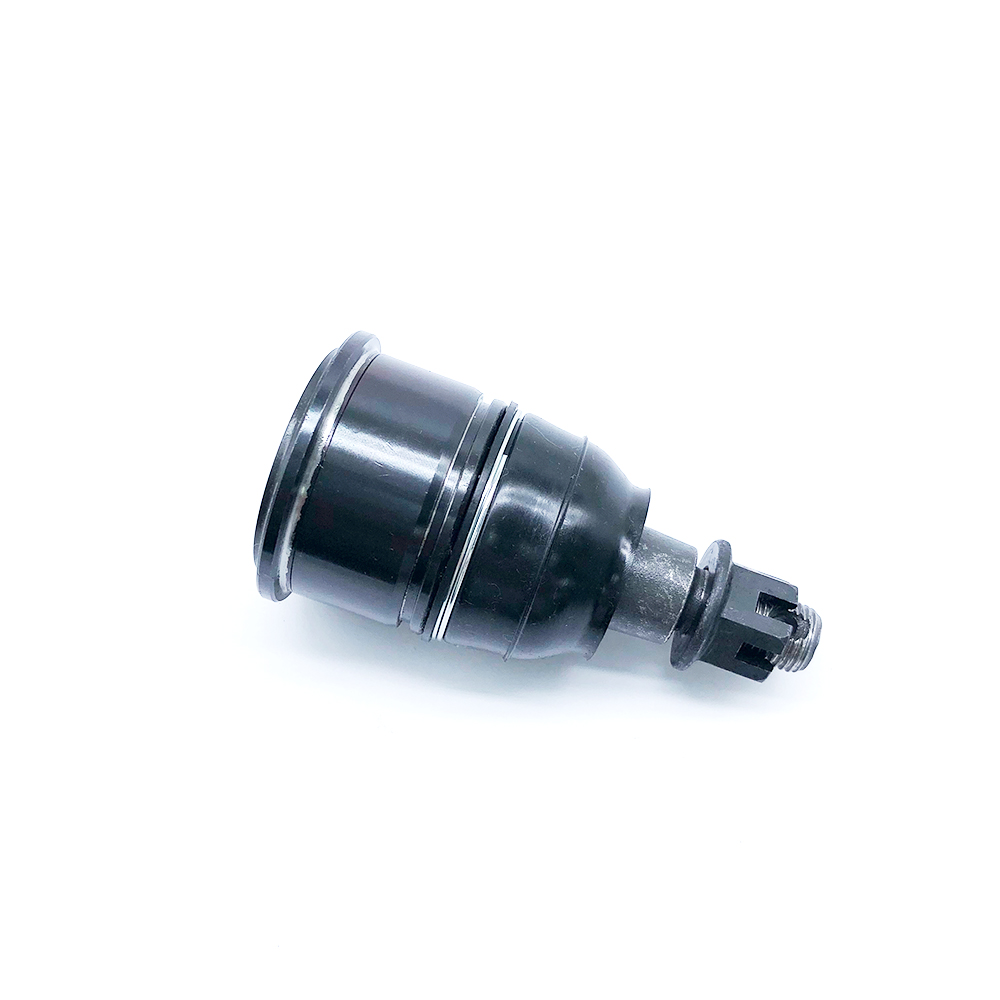
Ball Joint

A ball joint is a critical component of a vehicle’s suspension and steering system. It functions as a pivot point that connects the control arms to the steering knuckles or spindles, allowing the wheels to move up and down as well as turn left and right. The ball joint provides the flexibility needed for the wheel to rotate while supporting the weight of the vehicle and handling forces from the road. Ball joints are designed to allow for movement in multiple directions while maintaining strength and durability under heavy loads, making them essential for smooth suspension and steering performance.

CAR NAME/MODEL/YEAR/ POSITION:

ACCORD CL7 2003-2005 LOW R/L


Key Features of Ball Joints:

  • Ball and Socket Design: The ball joint consists of a ball (usually made of steel or other durable materials) that fits into a socket or housing. The socket is usually enclosed in a rubber or polyurethane boot to protect it from dirt, water, and debris.
  • Pivot Motion: The ball joint allows rotational and vertical movement, enabling the suspension components (such as the control arm) to adjust and move with the road, providing stability and control.
  • Lubrication: Many ball joints are greased or come with sealed boots that help reduce friction and wear. Some ball joints have a grease fitting to allow periodic lubrication, while others are sealed for life and require no maintenance.

Function:

  1. Allowing Suspension Movement: Ball joints enable the suspension to absorb bumps and maintain the proper angle of the wheels. They allow the wheels to move vertically and pivot when turning, providing stability and smooth handling.

  2. Steering Control: The ball joint transmits the steering input from the steering system (via tie rods and control arms) to the wheels, allowing them to turn in response to the driver’s commands.

  3. Maintaining Alignment: Ball joints help maintain the correct alignment of the steering and suspension system, which is important for handling, tire wear, and vehicle stability.

  4. Shock Absorption: The ball joint helps in absorbing forces from the road while allowing the suspension to maintain smooth, controlled movement, contributing to ride comfort and control.

Materials:

  • Steel: Ball joints are typically made from hardened steel for strength, durability, and resistance to wear.
  • Alloy Steel: Higher-end ball joints may be made from alloy steel for additional strength and resistance to stress.
  • Rubber or Polyurethane: The boots around the ball joint are typically made from rubber or polyurethane to protect the joint from dirt, moisture, and other contaminants.
  • Grease: Many ball joints come pre-greased or have grease fittings for ongoing maintenance and lubrication.

Common Applications:

  1. Passenger Vehicles: Ball joints are used in most passenger cars, trucks, and SUVs with independent suspension systems (such as double wishbone, MacPherson strut, or multi-link systems).

  2. Performance Vehicles: High-performance and racing vehicles often use ball joints designed for durability and precise control, as they are subjected to higher stresses during high-speed driving and cornering.

  3. Heavy-Duty Vehicles: Ball joints in commercial trucks and large SUVs are designed to withstand the heavy loads and stresses that these vehicles experience.

  4. Off-Road Vehicles: Off-road vehicles often use reinforced ball joints to handle the extreme conditions and forces encountered in rough terrain.

Contact Us
We served more than 100,000 customers and exported more than 100+ countries in the world.
We have 100+ workers and 10+ R&D and quality employees.

SUNO GROUP LIMITED founded in 1990 and certificated by ISO 9001 & IATF 16949, is a professional automotive fasteners supplier in China.  

Shortcut links
Contact with us
Tel: +86 136 9362 3001

Add:
2110, Floor 18, Building 3, Yard No. 6, East Futong Street, Beijing, China