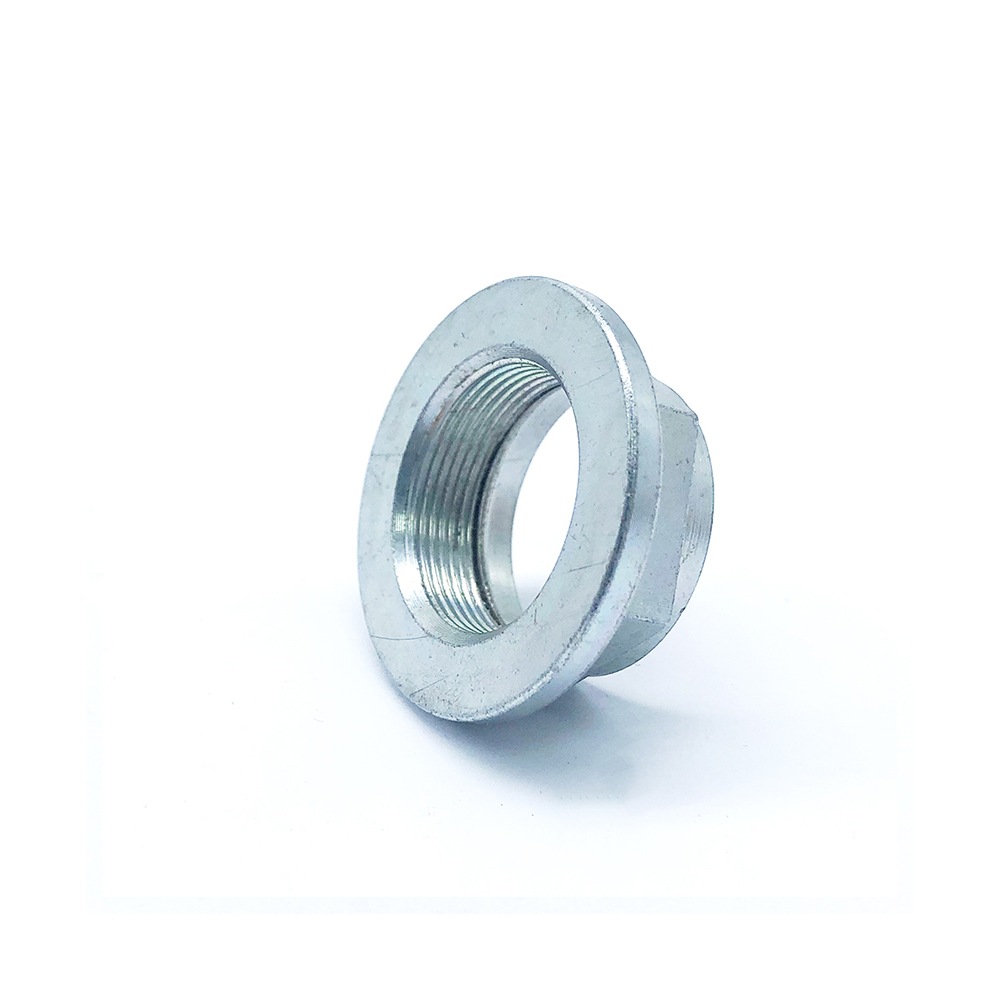
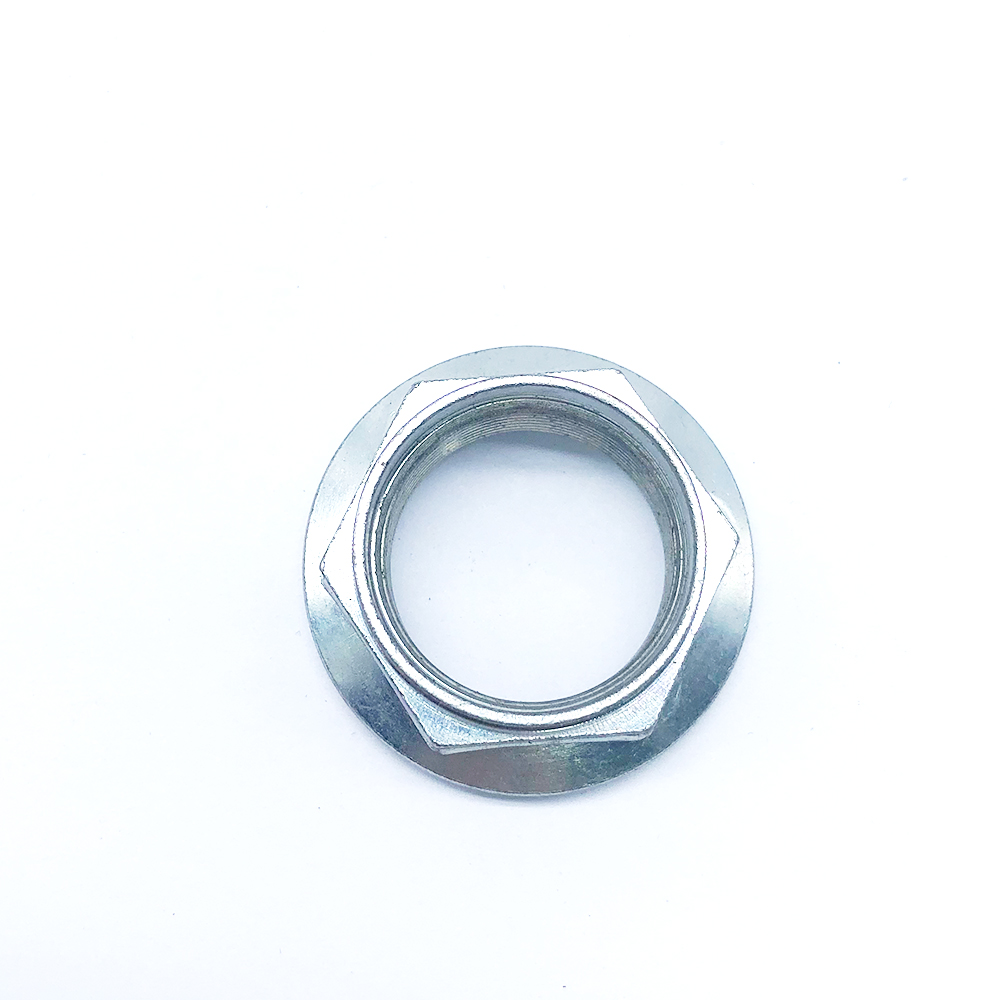
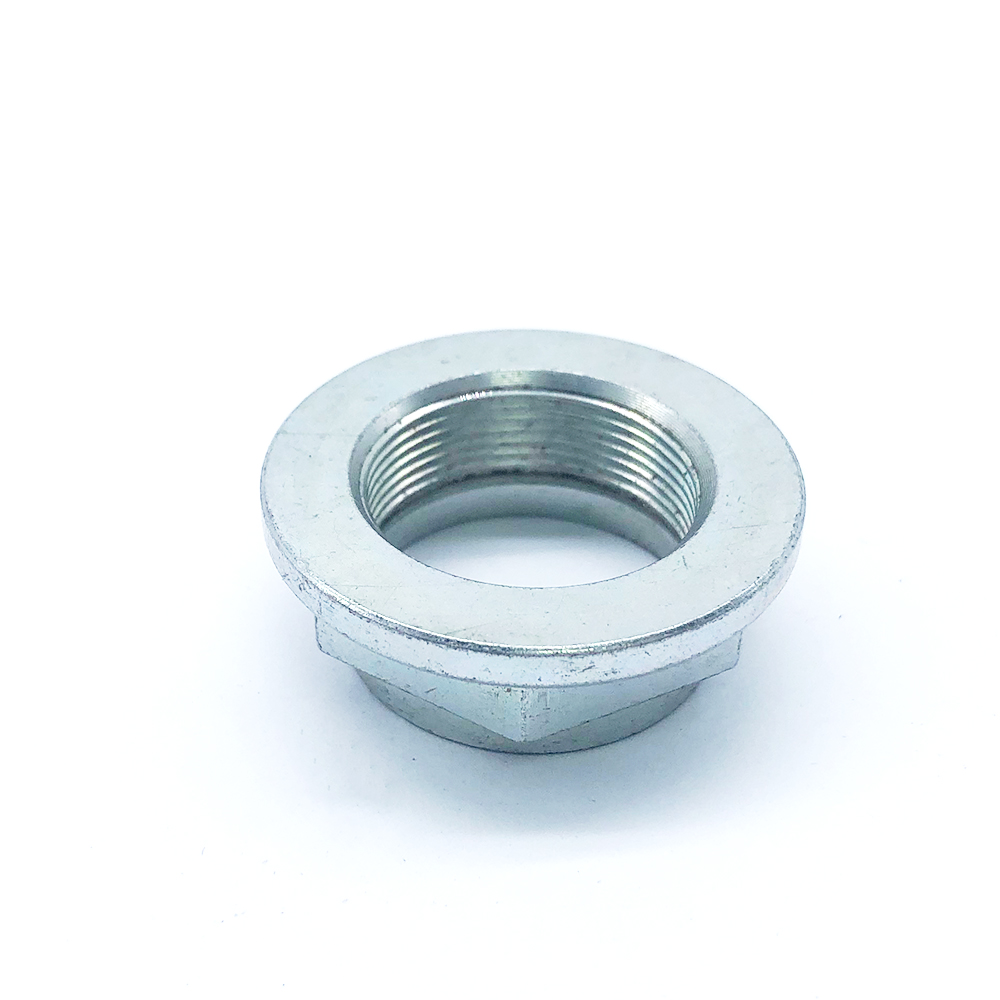
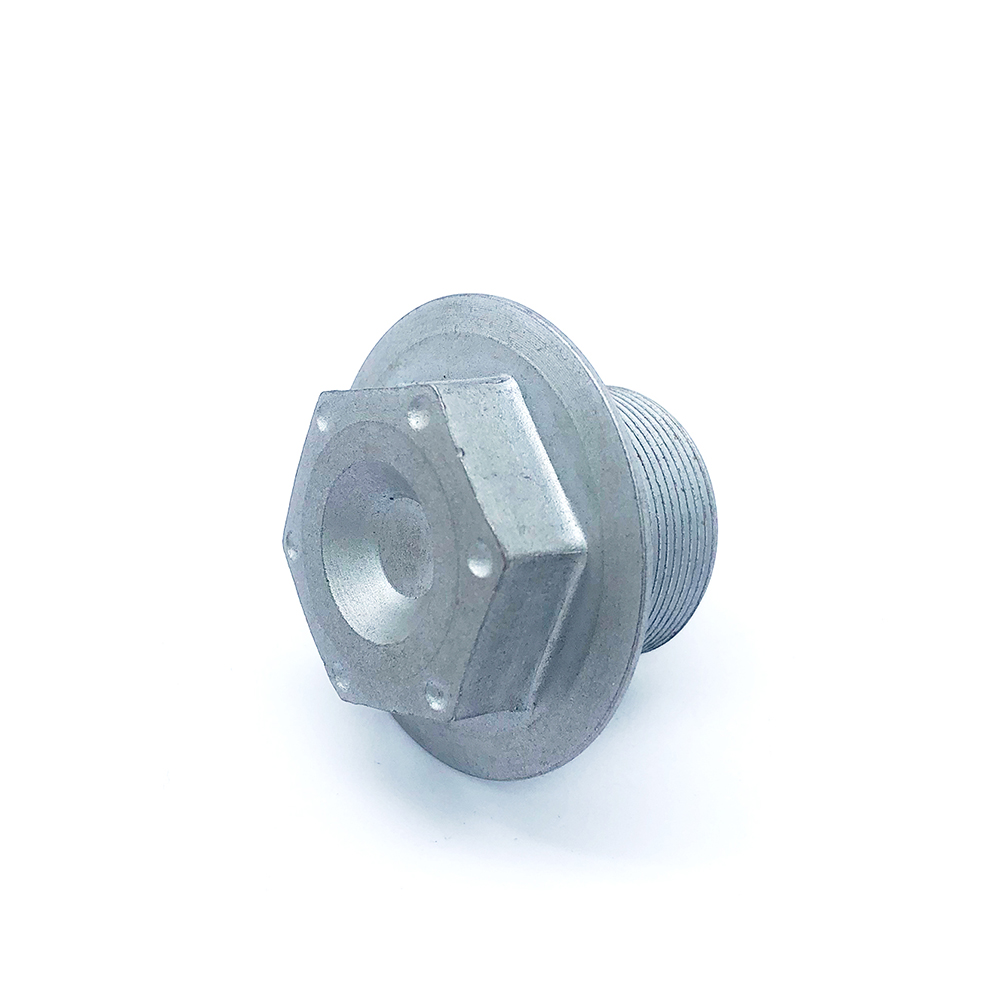
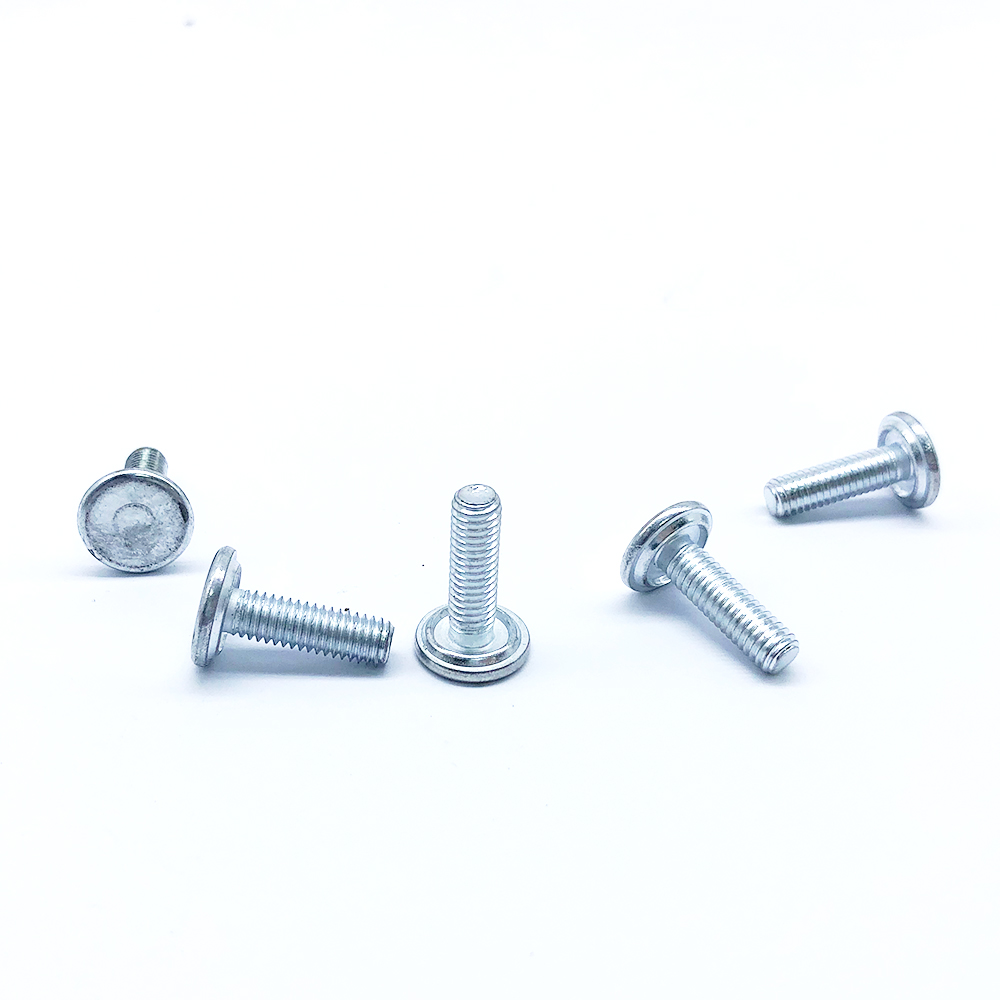
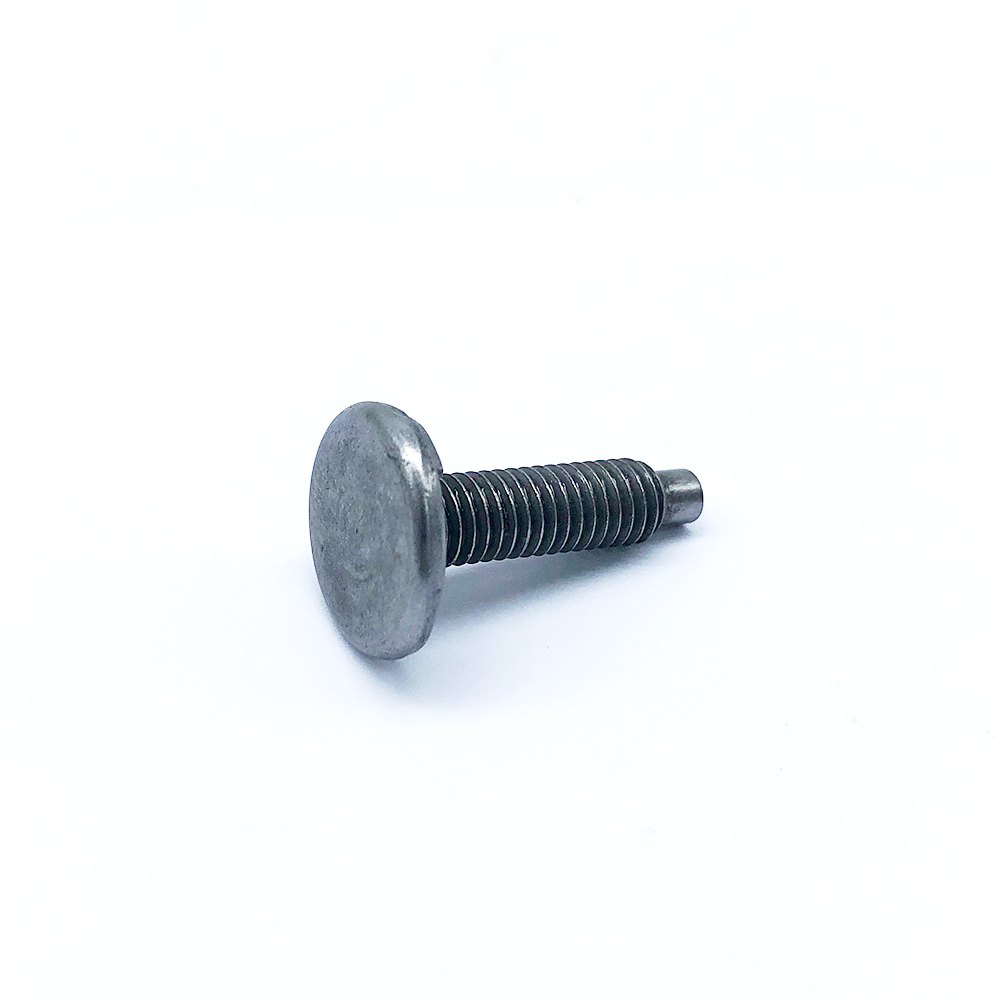
Size: M20*1.25*26.6对边*12.8h
Grade: 8
Material: 10b21
Finish: Environmentally friendly zinc plating
Key Features:
Purpose:
- The primary function of this screw is to secure the half shaft to the wheel hub, CV joint, or the differential in an automobile. It is part of the assembly that ensures the axle and wheels are properly connected, allowing the vehicle to transfer power from the engine to the tires.
- These screws are essential for ensuring the integrity of the axle assembly, as loose or improperly secured fasteners can lead to mechanical failure, causing the vehicle to lose power or even damage the drivetrain.
Material:
- These screws are typically made from high-strength steel or alloy steel to withstand the significant stress and torque applied during driving. Stainless steel may also be used in some cases for added corrosion resistance, particularly for vehicles that operate in wet or harsh environments (e.g., coastal areas or off-road).
- The material is selected to ensure the screw can handle the forces encountered during acceleration, deceleration, and turning without stripping or breaking.
Thread Type:
- The screw will typically feature metric threads (in countries using the metric system) or imperial threads (in countries using the imperial system), depending on the manufacturer and vehicle model.
- The threads are designed to ensure a strong grip and prevent loosening under high torque, which is essential in drivetrain components.
Head Type:
- The head of the screw may vary, but it is typically designed for high-torque applications. Common head types include:
- Hex head for use with wrenches or sockets.
- Torx or six-lobe head for better torque resistance and preventing stripping.
- Socket head for high-torque applications that require precision tools like Allen wrenches or a socket driver.
Finish:
- The screw may come with a corrosion-resistant finish, such as zinc plating or black oxide, to protect it from rust and degradation, especially in parts of the vehicle exposed to water, dirt, and road salt.
- In some cases, cadmium plating or other specialized coatings may be used for additional durability.
Length and Size:
- The length and size of the screw will depend on the specific design and configuration of the half shaft and the components being connected. For example, the screw must be long enough to securely engage with the threads of the mating part (such as a CV joint or differential casing) but not so long as to protrude or cause interference with other components.
- The diameter of the screw will correspond to the bolt hole size in the half shaft, hub, or differential.
Load and Torque Rating:
- Since the screw will be under considerable stress, especially during driving, it must have a high torque rating to prevent deformation or failure.
- The screw must be capable of withstanding the rotational forces generated by the engine and the vehicle’s acceleration, deceleration, and cornering forces.
Common Uses:
Securing CV Joints to the Half Shaft:
- The screw is often used to attach the constant velocity (CV) joint to the half shaft. The CV joint allows the axle to transfer power at a constant speed while accommodating changes in the angle of the drive shaft during suspension movement. These screws are critical for maintaining the connection between the CV joint and the half shaft.
Attaching the Half Shaft to the Wheel Hub:
- In front-wheel-drive and all-wheel-drive vehicles, the half shaft connects the differential (or transaxle) to the wheel hub. The tire half shaft screw is used to secure this connection, ensuring that the power from the engine is transmitted to the wheels efficiently.
Differential and Axle Assemblies:
- In rear-wheel-drive vehicles or vehicles with solid axles, these screws help attach the half shaft to the differential or the axle assembly, which is part of the drivetrain that distributes power to the wheels.
Suspension and Drivetrain Components:
- The screw might also be used to attach other suspension or drivetrain components to the half shaft, depending on the vehicle’s design.
Advantages:
Strong Connection:
- These screws provide a strong and secure connection between key drivetrain components, ensuring that the half shaft and CV joints remain firmly attached during driving, even under the high torque generated by the engine.
Corrosion Resistance:
- Given that the half shaft and associated parts are often exposed to road salt, moisture, and dirt, the screws are designed with coatings to resist corrosion and rust, ensuring long-lasting performance.
High Torque Capacity:
- These screws are designed to handle the high torque that is typically exerted on the drivetrain during driving, making them durable and reliable in power transfer applications.
Durability:
- Due to their robust construction, these screws can last the lifetime of the vehicle with minimal wear, provided they are properly torqued and installed during maintenance or assembly.
OEM Fitment:
- As OEM parts, these screws are designed to fit the vehicle perfectly, ensuring compatibility and ease of installation without the need for modifications or adaptations.