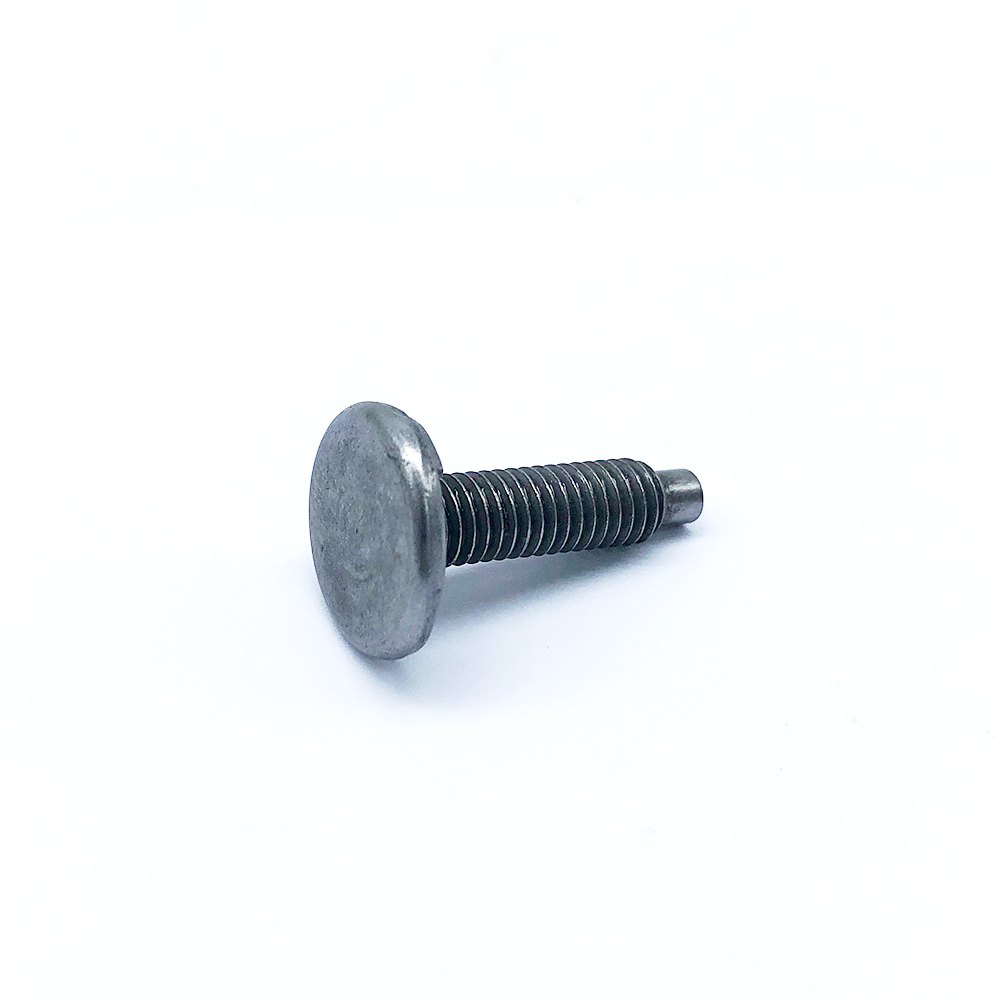
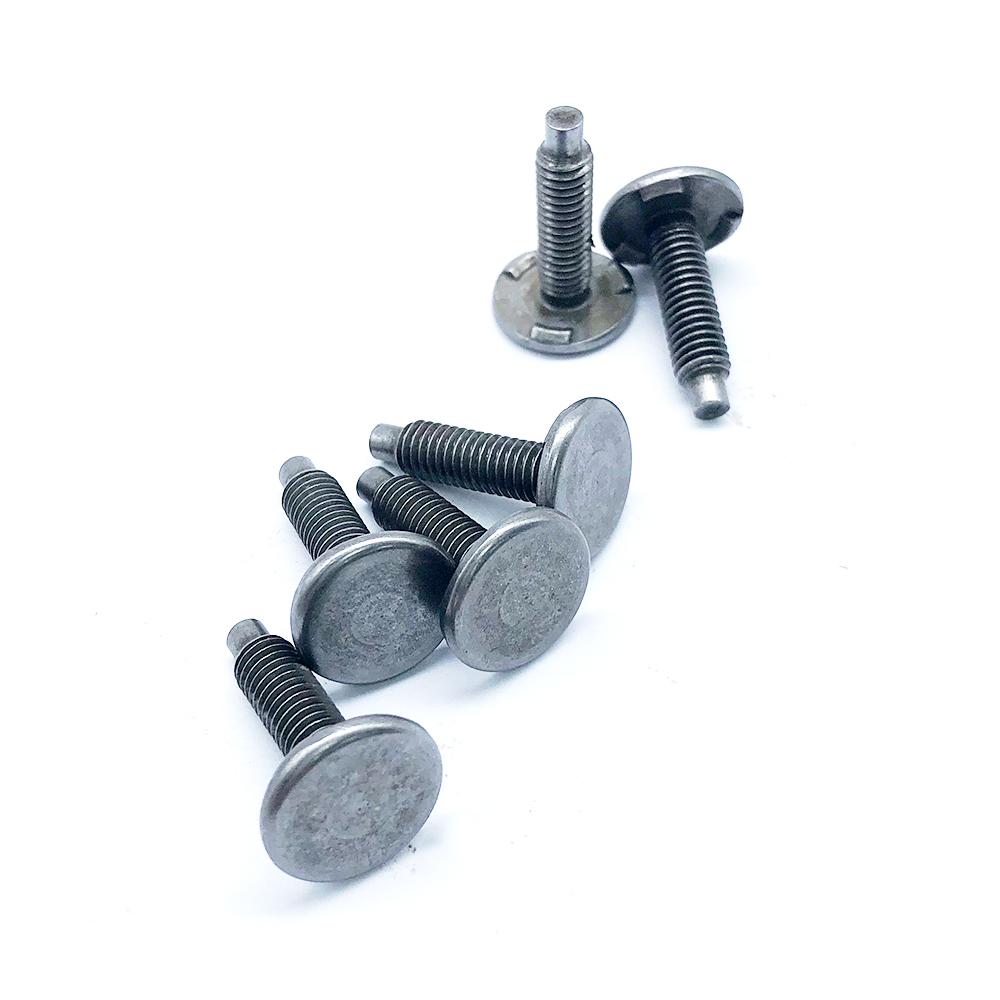
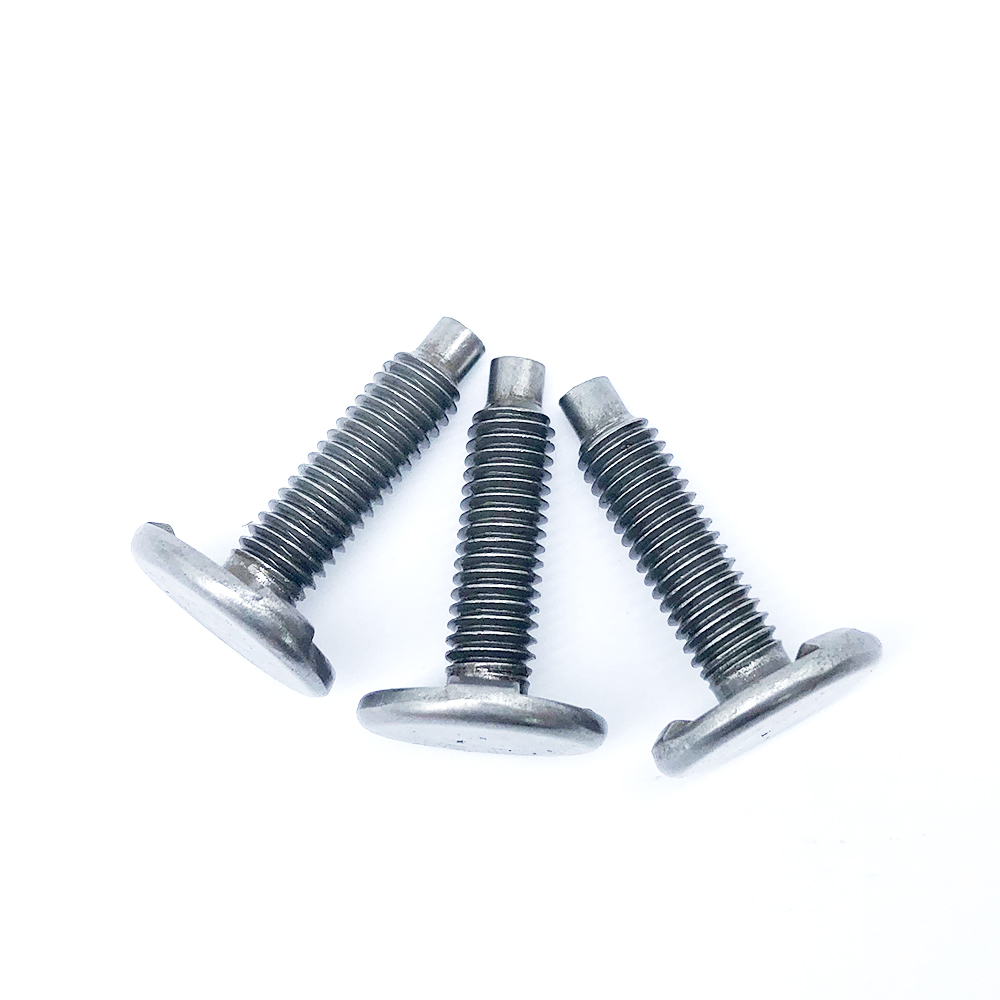
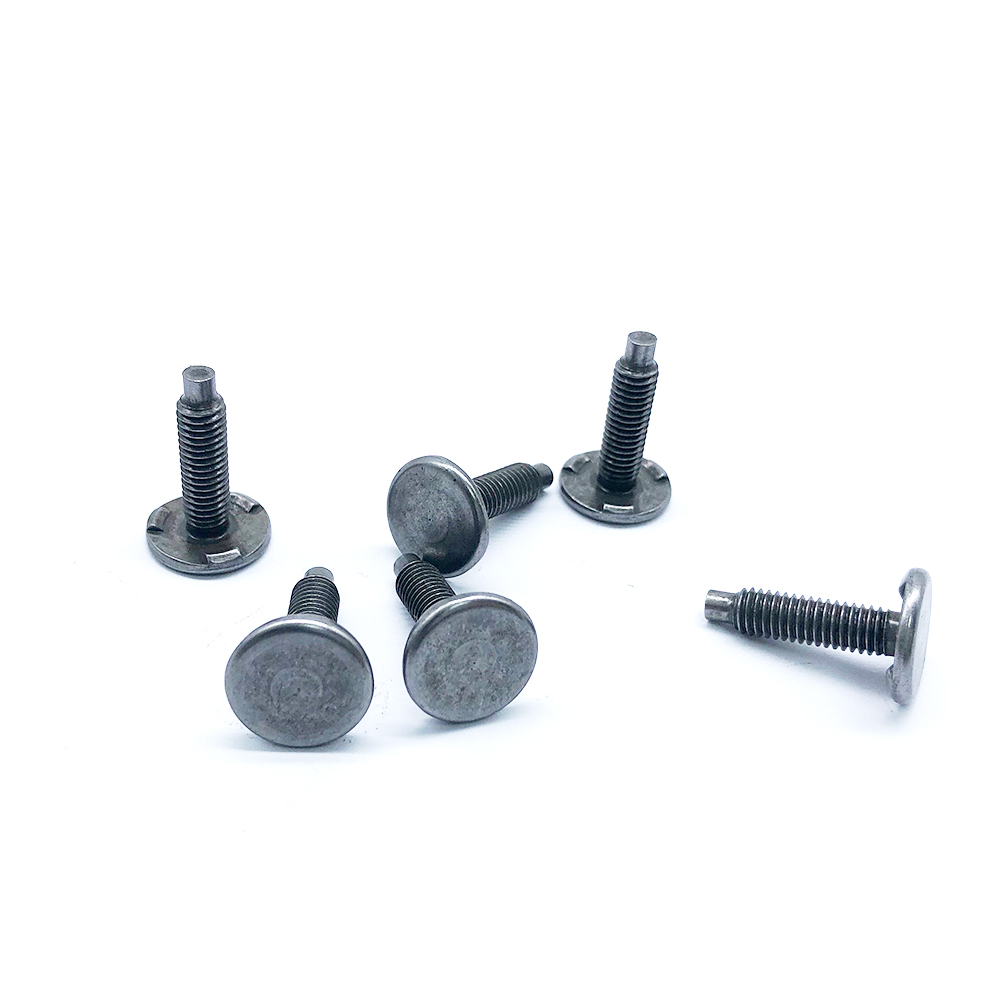
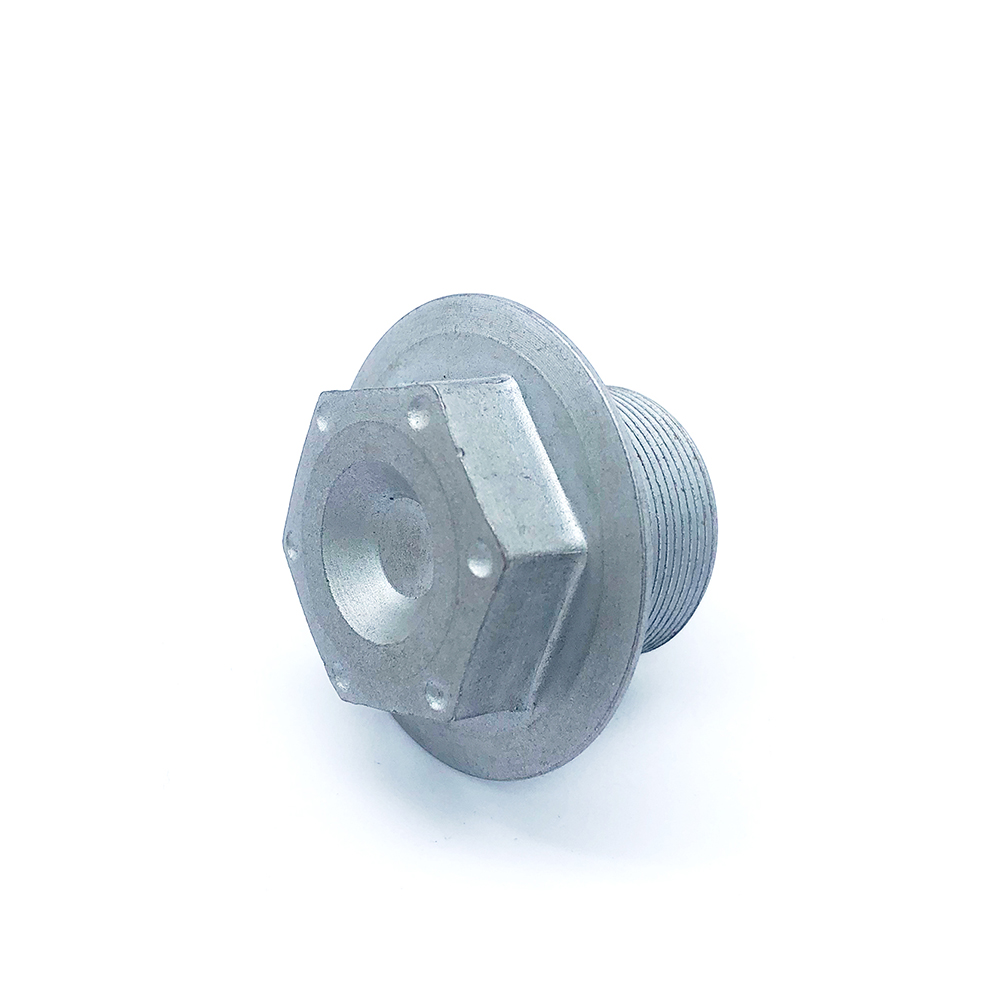
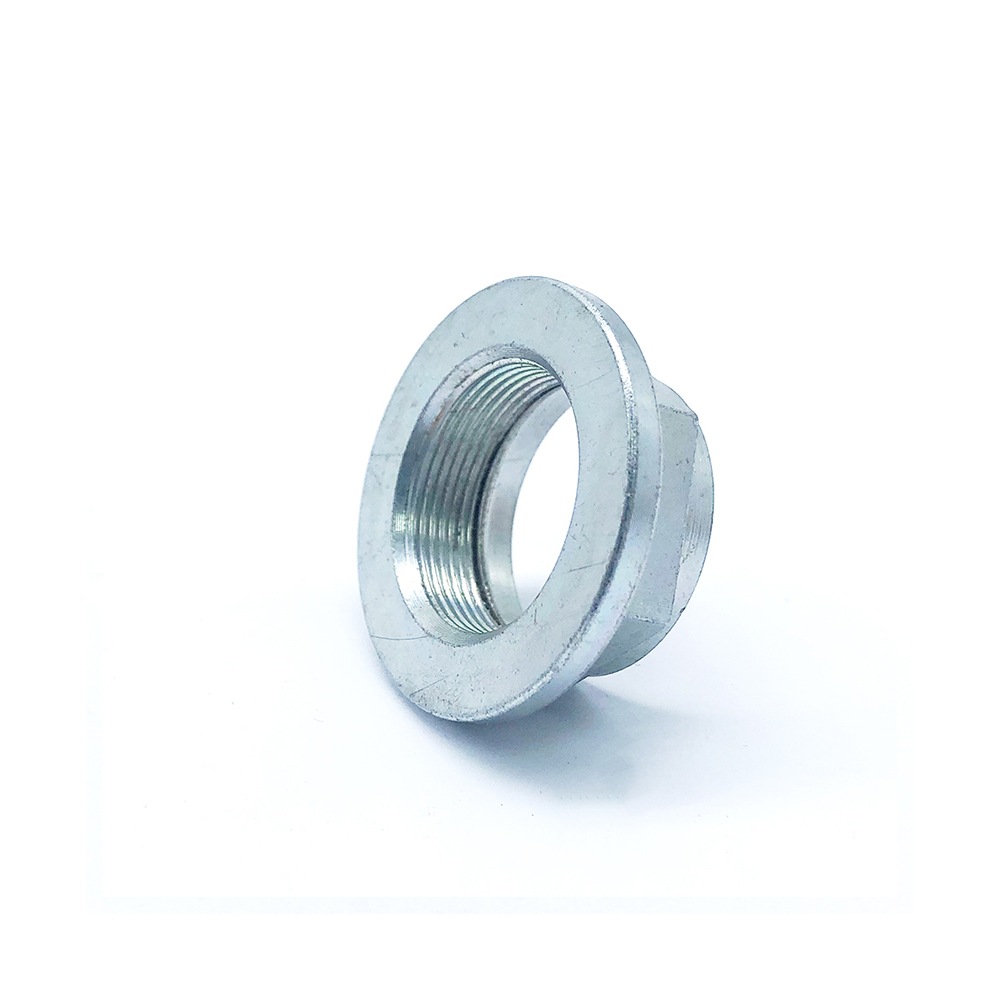
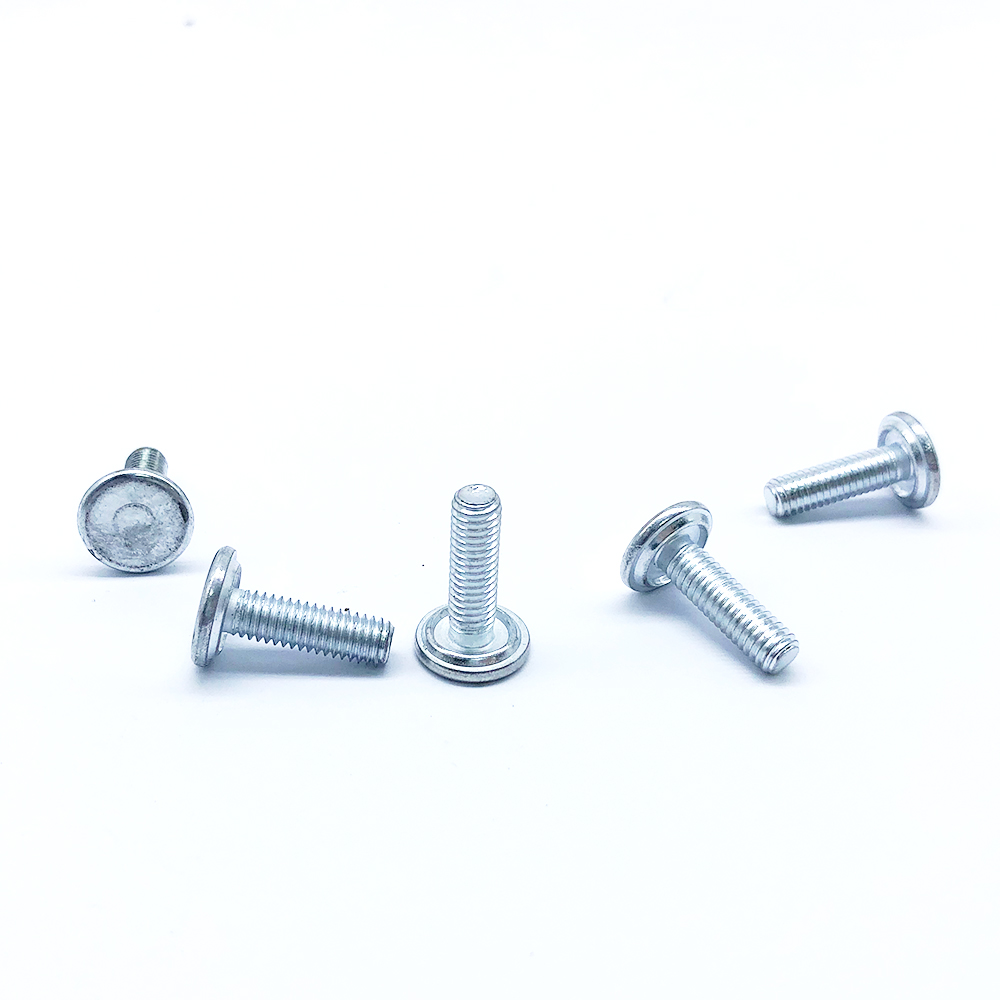
Size: M6*23L
Grade: 10
Material: 10b21
Finish: Heat treatment, Apply rust proof oil in its natural color
Key Features:
Welding Projections:
- Guide welding screws usually have small projections or tabs on the screw body that are designed to facilitate welding. These projections allow for easier and more efficient welding of the screw to the workpiece, ensuring a secure bond.
Threaded Shaft:
- These screws have a threaded shaft that allows them to receive nuts, bolts, or other threaded fasteners once they are welded in place. The threads are typically designed to meet standard thread sizes such as metric or imperial, depending on the application.
Material:
- The material used for guide welding screws is typically steel, stainless steel, or alloy steel, as these materials provide the necessary strength and heat resistance required during welding. Stainless steel is often chosen for its corrosion resistance, while alloy steels offer additional strength and durability.
- Some screws may also have a coating (such as zinc plating or galvanization) for added corrosion protection, depending on the environment in which the screws will be used.
Design and Head Type:
- Guide welding screws come in various head types, including hexagonal, flanged, cylindrical, and flat heads. The specific head design depends on the application and the type of connection being made.
- The screw head may have a flush design to ensure a smooth surface, or it may have a flanged design to help distribute the load evenly across the welded joint.
Weldability:
- One of the key features of guide welding screws is their ability to be welded onto a workpiece. The screws may have specific surface treatments or a design that makes them ideal for use in welding processes like arc welding, resistance welding, or spot welding.
Size and Length:
- Guide welding screws come in a variety of sizes and lengths, depending on the application. The size of the screw (both diameter and length) is chosen based on the thickness of the material being welded and the load-bearing requirements of the assembly.
Load-Bearing Capacity:
- These screws are designed to withstand high levels of shear and tensile forces once welded in place. The material strength, thread type, and installation process all contribute to the screw’s ability to bear heavy loads without failure.
Common Uses:
Automotive Manufacturing:
- Guide welding screws are frequently used in the automotive industry, where they are welded to vehicle frames, chassis, or other structural parts. They provide a secure threaded connection for other components, such as body panels, brackets, or engine parts.
- In some cases, these screws are used to fasten brackets, mounting plates, or reinforcements that hold critical systems such as suspension components, engine mounts, or exhaust systems.
Construction and Structural Applications:
- In steel construction and metal fabrication, guide welding screws are used to secure metal panels, plates, and other structural elements together. The screws provide a durable, permanent connection that holds parts in place while welding other components or for final assembly.
- They are used in steel frame buildings, bracing systems, and reinforced structures.
Heavy Machinery and Equipment:
- Guide welding screws are used in the assembly of heavy machinery and equipment, such as tractors, construction vehicles, and industrial machines. They are welded to key structural parts, providing secure attachment points for various components that require a threaded connection.
Furniture Manufacturing:
- In certain metal furniture or office equipment manufacturing applications, guide welding screws can be used to attach legs, brackets, or other supporting components to metal surfaces. This is especially common for furniture that requires a strong, stable connection that can handle heavy loads.
Electrical and Enclosure Systems:
- Guide welding screws are used in the construction of electrical enclosures, panels, and switchgear. The screws can secure mounting plates, electrical components, or safety brackets in place. They are often used in industrial settings where the integrity of electrical systems is critical.
Aerospace and Defense:
- Guide welding screws are sometimes used in the aerospace and defense industries, where they are welded onto critical components such as aircraft frames, landing gear assemblies, or military equipment. The screws help provide secure attachment points for other parts that require high strength and stability under dynamic loads.
Advantages:
Permanent Attachment:
- One of the key benefits of guide welding screws is that they provide a permanent attachment to a workpiece. Once welded, the screw remains securely attached, reducing the need for additional fasteners or maintenance.
Increased Strength:
- The combination of welding and the threaded design of the screw results in a strong, durable connection that is capable of withstanding significant mechanical loads. The screw can bear both shear and tensile forces, making it ideal for structural and high-stress applications.
Ease of Assembly:
- Guide welding screws can simplify the assembly process by reducing the number of fasteners and steps required in the installation of various components. The screw is welded in place, and the subsequent assembly or attachment of parts is quick and efficient.
Versatility:
- Guide welding screws are available in various sizes, materials, and designs, making them suitable for a wide range of applications across multiple industries. Their ability to work with different welding processes also makes them versatile in different manufacturing settings.
Cost-Effectiveness:
- While welding may require specialized equipment, guide welding screws can save time and labor costs in the long run by eliminating the need for multiple types of fasteners or complex assembly techniques. The screw’s ability to serve as both a welding and fastening solution can reduce the overall complexity of the assembly.
Corrosion Resistance:
- Many guide welding screws come with corrosion-resistant finishes or are made from materials such as stainless steel to withstand exposure to harsh environments, making them ideal for use in outdoor, industrial, or corrosive settings.