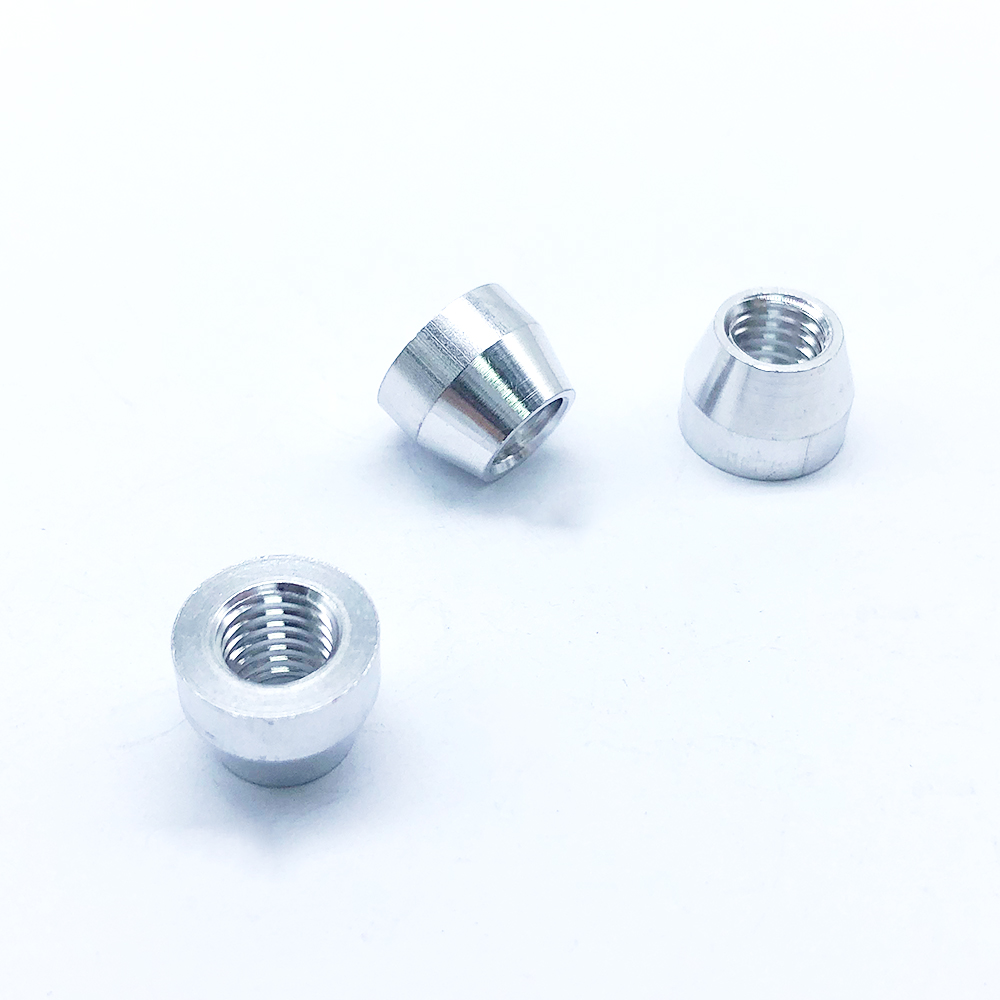
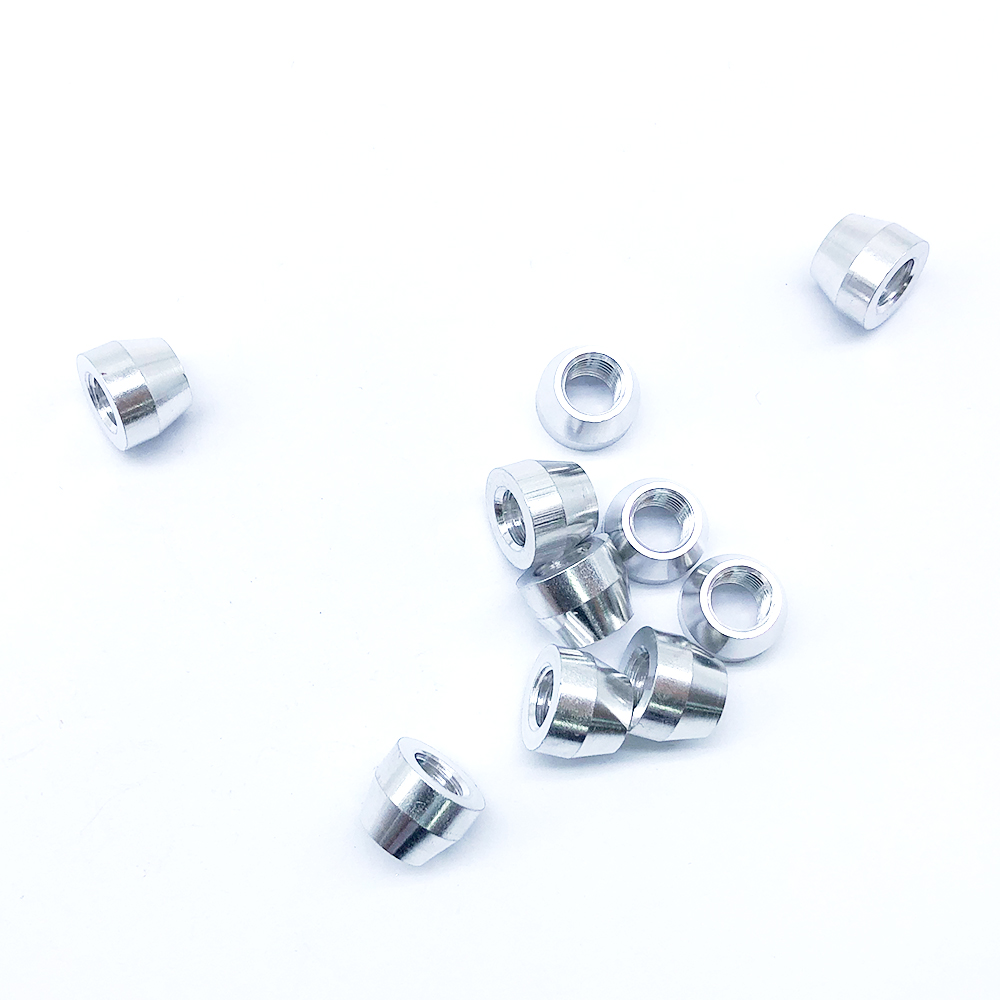
High Edge Insert

A high edge insert is a type of machining insert or tooling insert used primarily in cutting or milling operations. These inserts are designed with a higher edge or raised portion along the cutting edge to provide certain advantages in specific machining applications. The high edge helps improve the strength, durability, and performance of the insert, especially in high-stress or heavy-duty cutting environments.

Size: M6.6*1*13*10h

Grade: T6

Material: Al6063

Finish: Surface oxidation treatment


Key Features:

  1. Raised Cutting Edge:

    • The defining feature of a high edge insert is the higher-than-normal cutting edge, which increases the insert's strength and stability during operation. This design helps the insert resist wear and withstand high cutting forces.
  2. Improved Durability:

    • The raised edge design provides better resistance to chipping and abrasion, which can extend the life of the insert in high-demand applications. This makes high edge inserts especially useful in materials that are difficult to machine or where the tool experiences significant wear.
  3. Precision Cutting:

    • High edge inserts are often used in precision milling and turning applications where accuracy is critical. The raised edge allows for more controlled cutting action and can help achieve finer finishes on the workpiece.
  4. Material:

    • High edge inserts are typically made from hard, wear-resistant materials such as carbide, cermet, or ceramic. The material choice depends on the type of cutting operation and the material being machined. Carbide inserts are common due to their excellent hardness and wear resistance.
  5. Geometry and Shape:

    • These inserts come in various geometries and shapes, such as square, round, or triangular. The specific shape and geometry are chosen based on the cutting process, tool holder, and desired results.
  6. Coatings:

    • Many high edge inserts feature coatings like TiN (Titanium Nitride), TiAlN (Titanium Aluminum Nitride), or CVD (Chemical Vapor Deposition) coatings to further enhance their wear resistance, reduce friction, and improve heat dissipation.

Common Uses:

  1. Heavy-Duty Machining:

    • These inserts are particularly useful in heavy-duty machining operations like turning, milling, and drilling, where they face high levels of stress and cutting forces. The high edge design ensures that the tool can withstand these forces and continue to perform effectively.
  2. Precision Cutting:

    • High edge inserts are often used in precision machining applications that require high accuracy, such as in the aerospace, automotive, and medical industries. They provide a stable cutting edge that helps achieve tight tolerances and fine surface finishes.
  3. Difficult-to-Cut Materials:

    • These inserts are ideal for cutting or milling harder materials like stainless steel, titanium, superalloys, and composites. The high edge helps maintain cutting efficiency even when dealing with materials that are known for their toughness and resistance to machining.
  4. Roughing and Finishing:

    • High edge inserts are used in both roughing and finishing operations. In roughing, they can handle the high forces and chip load, while in finishing, the insert provides a smoother, more precise cut for high-quality surface finishes.
  5. Threading:

    • These inserts may also be used in thread cutting operations, where the raised edge helps maintain the sharpness and accuracy of the threads, especially in tapping or threading processes.

Advantages:

  1. Increased Tool Life:

    • The high edge design improves the insert’s resistance to wear, chipping, and breakage, leading to a longer tool life in demanding cutting operations.
  2. Improved Cutting Performance:

    • The raised cutting edge provides better stability and precision, improving the overall cutting performance in terms of speed and finish quality.
  3. Resistant to Heat and Wear:

    • High edge inserts are especially designed to withstand the heat generated during high-speed cutting. This is particularly important when working with materials that generate high friction and heat at the cutting interface.
  4. Versatility:

    • These inserts are versatile and can be used across a wide range of applications, including both roughing and finishing, which reduces the need for multiple tool changes during machining.
Contact Us
We served more than 100,000 customers and exported more than 100+ countries in the world.
We have 100+ workers and 10+ R&D and quality employees.

SUNO GROUP LIMITED founded in 1990 and certificated by ISO 9001 & IATF 16949, is a professional automotive fasteners supplier in China.  

Shortcut links
Contact with us
Tel: +86 136 9362 3001

Add:
2110, Floor 18, Building 3, Yard No. 6, East Futong Street, Beijing, China