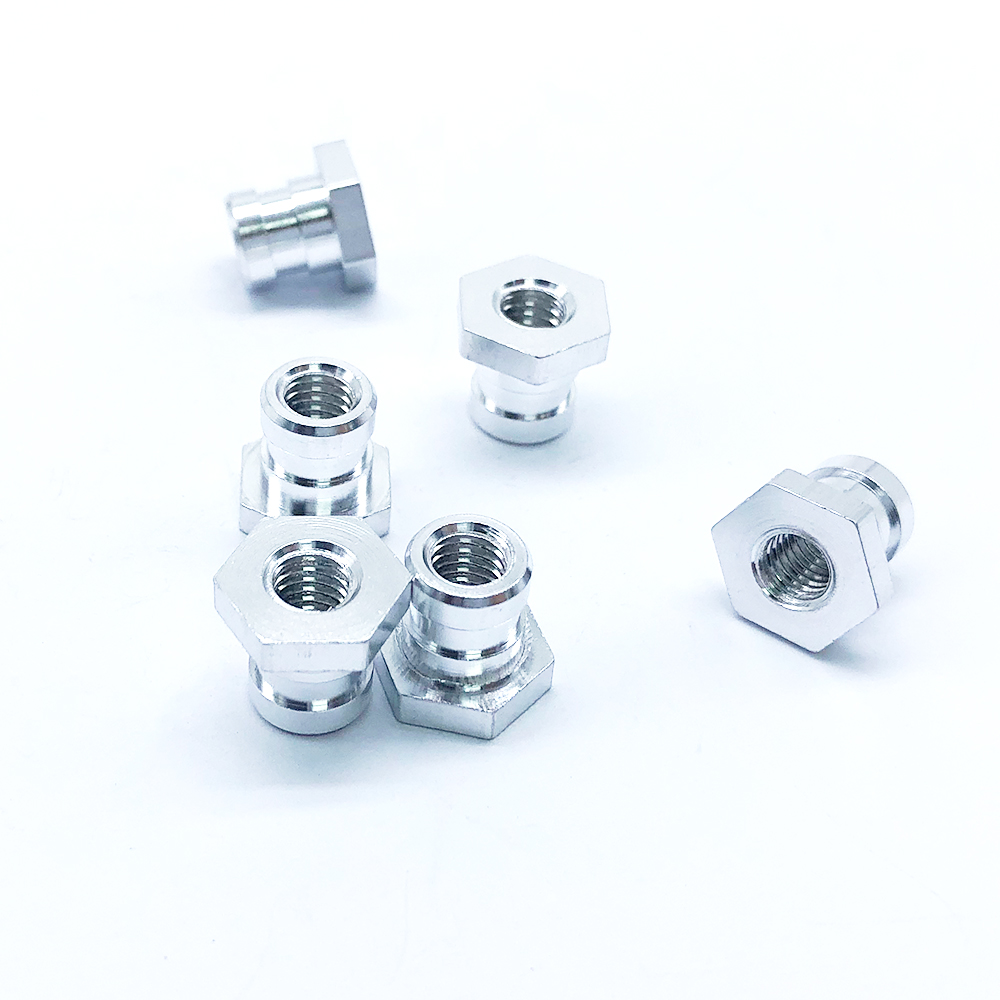
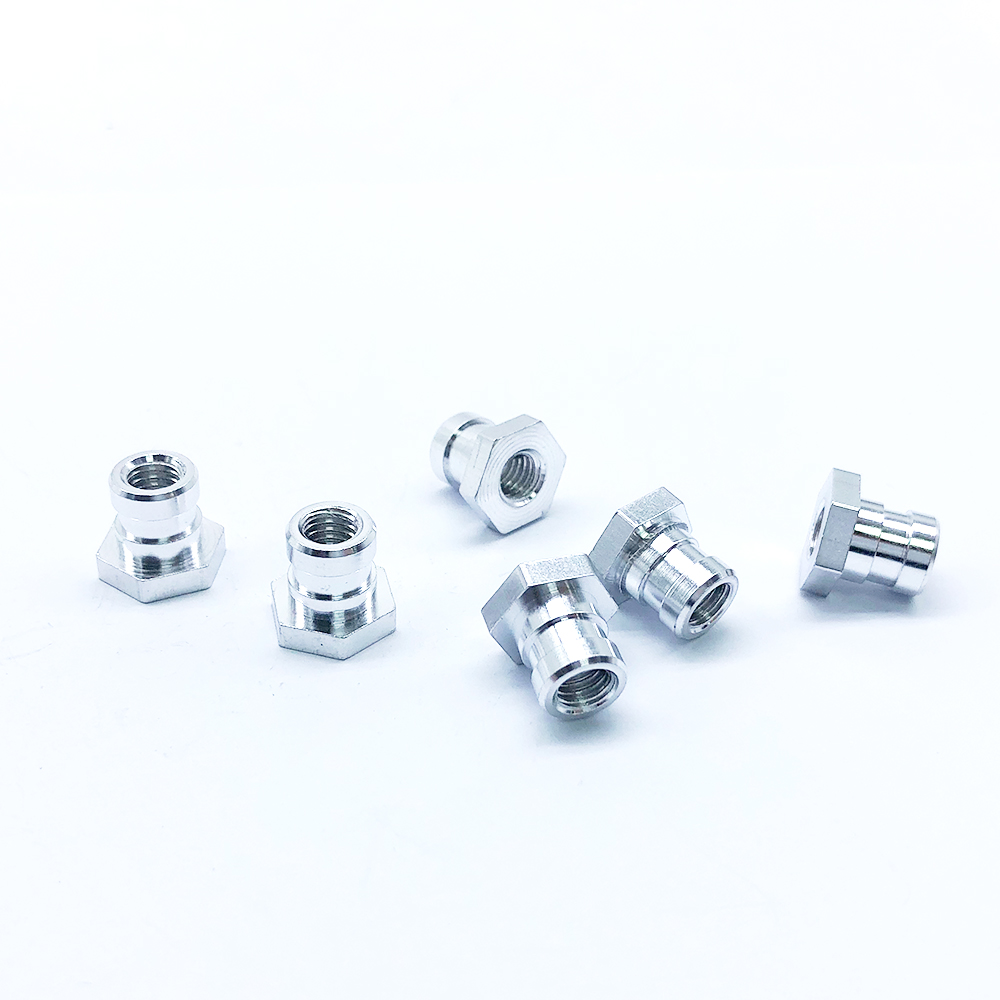
Half Shaft Hexagonal Insert

A hexagonal insert is a type of threaded insert used to create or reinforce a threaded hole in a variety of materials, such as wood, plastic, or metal. The defining feature of a hexagonal insert is its hexagonal shape, which is used for either a mechanical advantage or to improve the stability of the insert during installation. Hexagonal inserts are often employed in applications where a robust, reusable threaded connection is needed, especially for parts that are subject to repeated assembly and disassembly.

Size: M5*1*12*12h

Grade: T6

Material: Al6063

Finish: Surface oxidation treatment


Key Features:

  1. Hexagonal Shape:

    • The hexagonal shape of the insert provides several benefits, such as preventing the insert from rotating or moving during installation and use.
    • The flat sides of the hexagonal insert allow for the use of tools (like wrenches or pliers) to tighten or install the insert, providing better grip and torque control.
    • This shape is particularly useful when a firm grip is required for installation, and it can help secure the insert in place once it is pressed or screwed into the base material.
  2. Internal Threads:

    • Hexagonal inserts typically feature internal threads that are compatible with a variety of fasteners, such as screws, bolts, or machine screws.
    • These threads are designed to allow for a strong, secure connection with external fasteners, and the insert provides a reusable threaded hole in softer materials that may not otherwise hold threads effectively.
  3. External Surface:

    • The external surface of a hexagonal insert is typically designed with features that facilitate its secure insertion into the base material.
      • Knurling: The insert may have knurled or textured surfaces to improve its grip in soft materials like wood, plastic, or thin metals. This prevents the insert from rotating or pulling out under stress.
      • Smooth Surface: Some hexagonal inserts may have smooth surfaces for pressing into harder materials, or for use in materials where a tight grip is not as essential.
  4. Material:

    • Steel: Hexagonal inserts made of steel are often used in heavier-duty applications where durability and resistance to wear and tear are important.
    • Stainless Steel: Stainless steel is commonly used for its resistance to corrosion, making it ideal for outdoor, marine, or food-related applications.
    • Brass: Brass hexagonal inserts offer good corrosion resistance and are commonly used in electronics or applications where ease of installation is important.
    • Aluminum: Lighter than steel, aluminum is used when weight reduction is crucial, though it may not provide as much strength as steel.
    • Plastic: Plastic hexagonal inserts are used in lightweight applications, often where cost-effectiveness is a priority or where electrical conductivity is a concern.
  5. Types of Inserts:

    • Press-fit Inserts: These inserts are designed to be pressed into a pre-drilled hole in the base material. The external surface might feature barbs, flanges, or knurls to improve grip and ensure the insert stays in place.
    • Screw-in Inserts: These are designed to be screwed into a pre-tapped hole. They may have external threads that help anchor the insert securely to the base material.
    • Heat-set Inserts: Some hexagonal inserts are heat-set, meaning they are installed by heating the insert, allowing it to melt slightly into the material before cooling and setting into place.
  6. Sizes and Threads:

    • Hexagonal inserts come in a wide variety of sizes and thread types, making them suitable for both imperial (inch-based) and metric (mm-based) systems.
    • Common sizes range from small inserts (e.g., 1/8", 1/4") to larger, heavy-duty inserts (e.g., 1/2", 3/4").
    • Thread pitches can vary based on the application, with coarse and fine threads available.

Advantages:

  1. Enhanced Grip and Stability:

    • The hexagonal shape offers better grip during installation, especially when using tools like wrenches or pliers. It also prevents the insert from spinning or shifting once it is installed, providing greater stability.
  2. Reusable Threaded Connection:

    • Hexagonal inserts provide a durable, reusable threaded hole for fasteners in softer materials. This allows for repeated assembly and disassembly, which is particularly useful in applications where parts need to be frequently installed and removed.
  3. Versatility:

    • Hexagonal inserts can be used in a wide range of materials, from wood and plastic to aluminum and mild steel. This makes them versatile for many industries, including furniture making, automotive, electronics, and machinery.
  4. Durability:

    • Depending on the material used for the insert (such as steel or stainless steel), these inserts are built to handle high loads and resist wear, making them long-lasting and ideal for heavy-duty applications.
  5. Reduced Material Damage:

    • By using hexagonal inserts, you can avoid directly tapping threads into materials that may be too soft or prone to stripping. This helps protect the base material from wear and tear, particularly in wood or plastic.
  6. Ease of Installation:

    • The hexagonal shape makes these inserts relatively easy to install using a simple wrench or other tools to secure them into the material. They may also be pressed or threaded in place, depending on the specific design.

Common Applications:

  1. Woodworking:

    • Hexagonal inserts are commonly used in furniture making, where they create strong, reusable threaded holes in wooden components. These inserts allow for easy attachment of metal brackets, legs, or other hardware without the risk of damaging the wood.
  2. Plastic and Composite Materials:

    • In plastic or composite materials, hexagonal inserts are often used to create strong threaded connections for electronic enclosures, panels, or parts that need to be assembled or disassembled without damaging the base material.
  3. Automotive and Machinery:

    • Hexagonal inserts are used in the automotive and machinery industries to create durable threaded connections in parts made of metal or plastic. These inserts are typically used for attaching non-structural components or parts that need to be removed for maintenance.
  4. Electronics:

    • In electronics and telecommunications devices, hexagonal inserts provide a secure connection for mounting components like circuit boards or internal parts, particularly when these parts need to be disassembled or repaired.
  5. Aerospace and Military:

    • Hexagonal inserts are also used in aerospace applications where secure, high-strength, reusable threaded connections are needed, especially for parts made from composite materials that are too soft to hold traditional threads.
  6. Furniture Assembly:

    • In furniture assembly, especially flat-pack or modular furniture, hexagonal inserts are used to securely fasten pieces together without the need for direct threading into the wood, which can damage or weaken the material over time.
Contact Us
We served more than 100,000 customers and exported more than 100+ countries in the world.
We have 100+ workers and 10+ R&D and quality employees.

SUNO GROUP LIMITED founded in 1990 and certificated by ISO 9001 & IATF 16949, is a professional automotive fasteners supplier in China.  

Shortcut links
Contact with us
Tel: +86 136 9362 3001

Add:
2110, Floor 18, Building 3, Yard No. 6, East Futong Street, Beijing, China