CAR NAME/MODEL/YEAR/ POSITION:
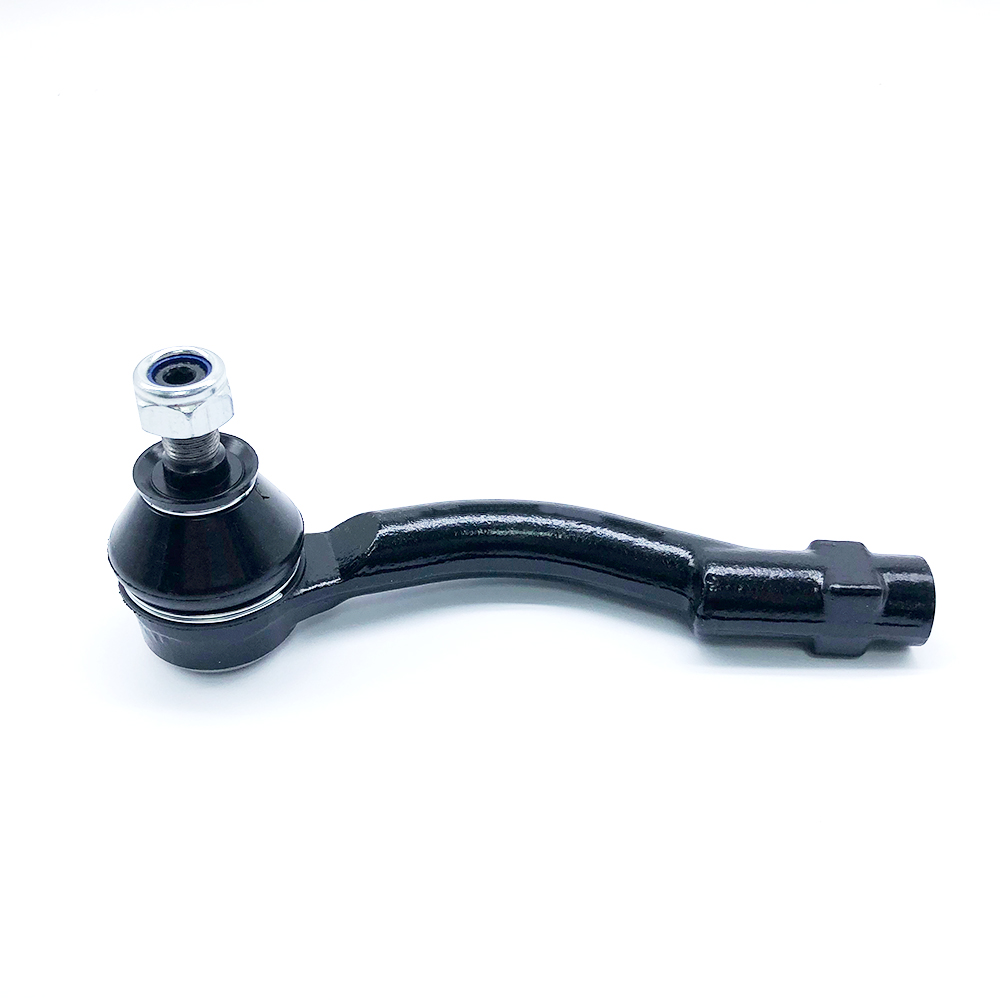
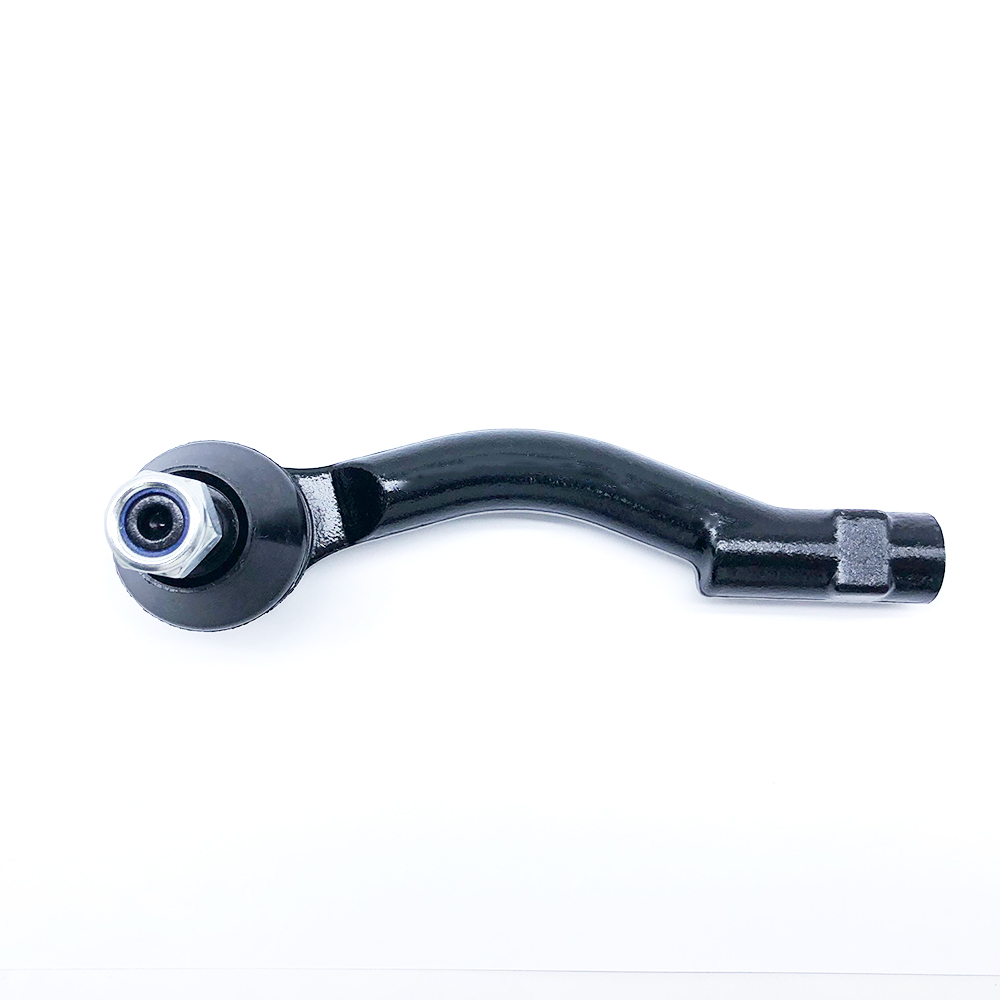
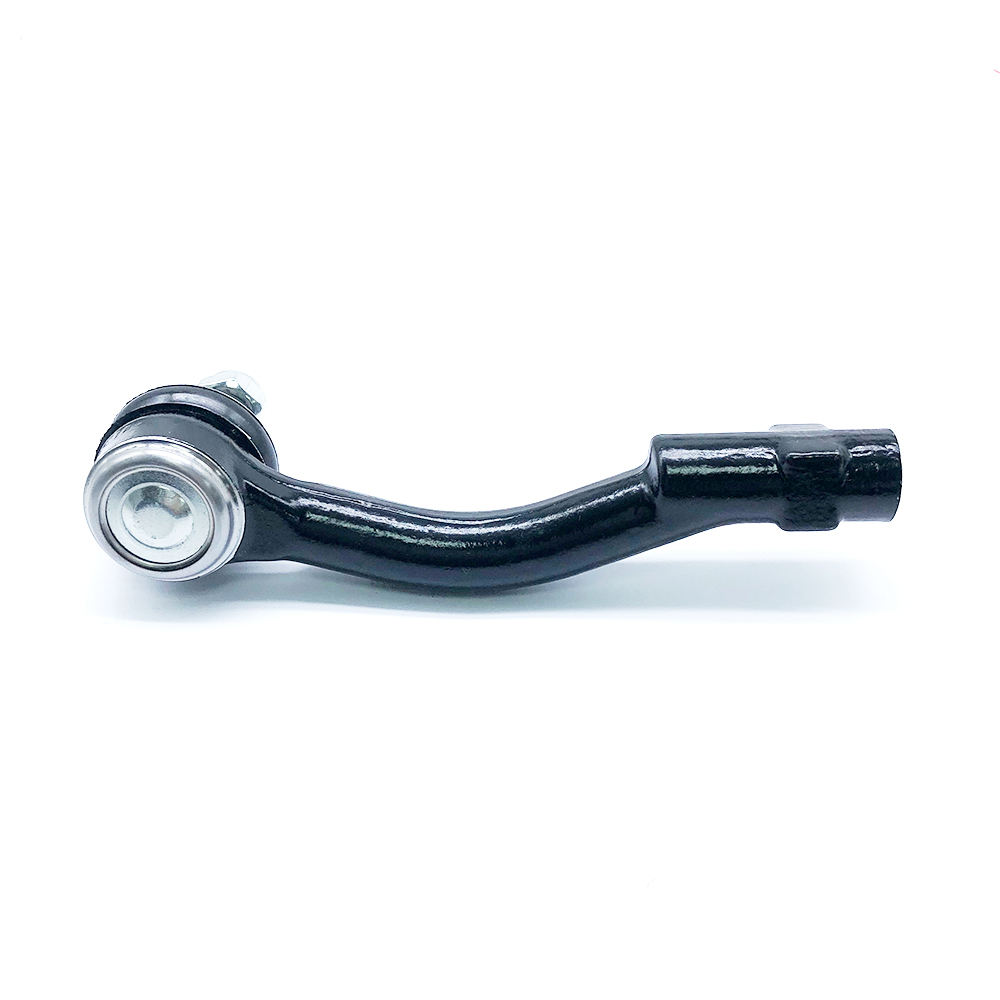
HYUNDAI TUCSON 2005-2009 Front R
KIA SPORTAGE 2005-2010
Key Features:
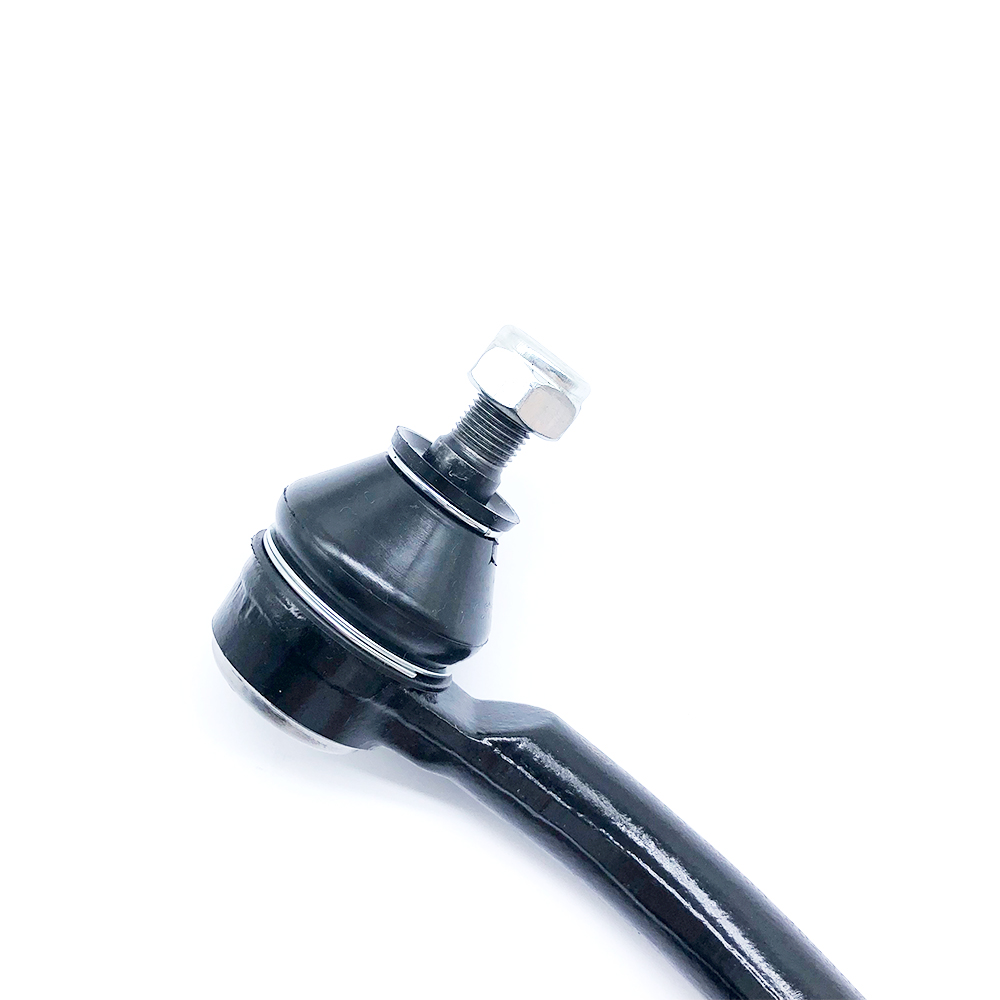
- Ball Joint Design: Tie rod ends often have a ball joint at one or both ends, allowing for flexibility and smooth movement of the wheel as the vehicle is steered.
- Threaded End: The tie rod end has a threaded portion that screws into the inner tie rod or steering rack, enabling adjustments to be made for proper wheel alignment.
- Rubber or Polyurethane Boots: These boots cover the ball joint, protecting it from dirt, moisture, and road debris, which could otherwise cause premature wear.
Function:
Wheel Movement: The tie rod end connects to the steering knuckle or wheel assembly, allowing the wheels to turn left or right when the steering wheel is turned. It transmits the force from the steering rack or box to the wheels, enabling the vehicle to steer.
Steering Control: Tie rod ends help to maintain proper alignment of the wheels, ensuring that steering inputs are translated accurately into wheel movement and that the wheels maintain their intended alignment (camber, caster, and toe).
Adjustment for Alignment: Tie rod ends are often adjustable, allowing technicians to fine-tune the toe alignment of the wheels. This is essential for proper tire wear and vehicle handling.
Materials:
- Steel: Most tie rod ends are made from steel or alloy steel for strength and durability, as they are subjected to high forces during vehicle operation.
- Carbon Steel or Forged Steel: Higher-quality tie rod ends may be made from forged steel or carbon steel to provide greater durability and resistance to wear.
- Rubber or Polyurethane: The ball joint of the tie rod end is usually surrounded by a rubber or polyurethane boot to protect the joint from contamination, water, and dirt.
Advantages of Tie Rod Ends:
- Precise Steering: Tie rod ends ensure that the movement from the steering wheel is accurately transferred to the wheels, providing responsive and precise control over the vehicle.
- Alignment Control: Tie rod ends play a key role in maintaining proper alignment of the wheels, which is essential for vehicle handling, tire wear, and overall stability.
- Durability and Strength: Made from durable materials, tie rod ends are built to handle significant forces and provide long-lasting performance.
- Ease of Adjustment: Adjustable tie rod ends allow for fine-tuning of wheel alignment (especially toe-in or toe-out), which is important for vehicle handling and tire longevity.
Common Applications:
- Passenger Vehicles: Tie rod ends are used in almost all cars, trucks, and SUVs that utilize rack and pinion or steering box systems.
- Performance and Racing Vehicles: In performance vehicles, adjustable tie rod ends allow for precise alignment tuning to improve handling and reduce tire wear.
- Heavy-Duty Vehicles: Larger commercial trucks or vehicles with complex suspension systems also use robust tie rod ends to ensure precise steering and alignment control.
- Off-Road Vehicles: Off-road vehicles use heavy-duty tie rod ends that can withstand rough terrain and maintain stable steering under challenging conditions.