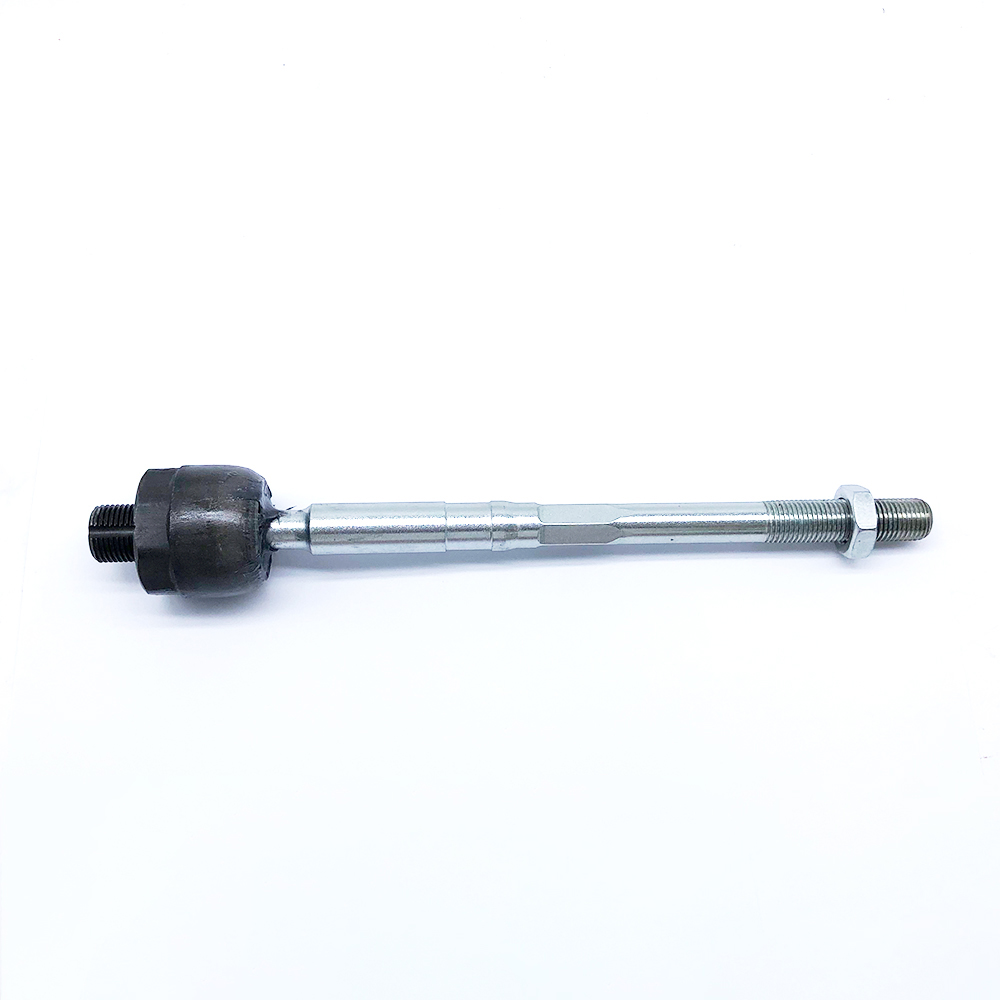
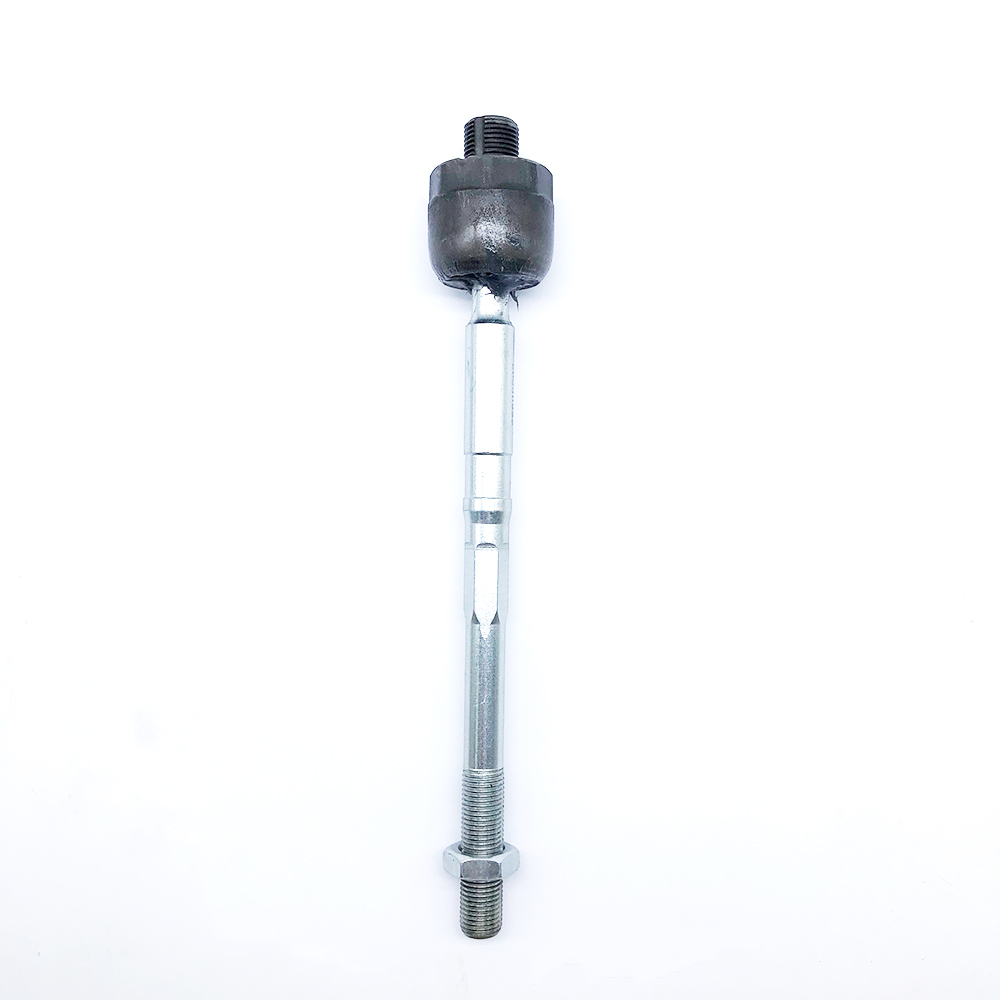
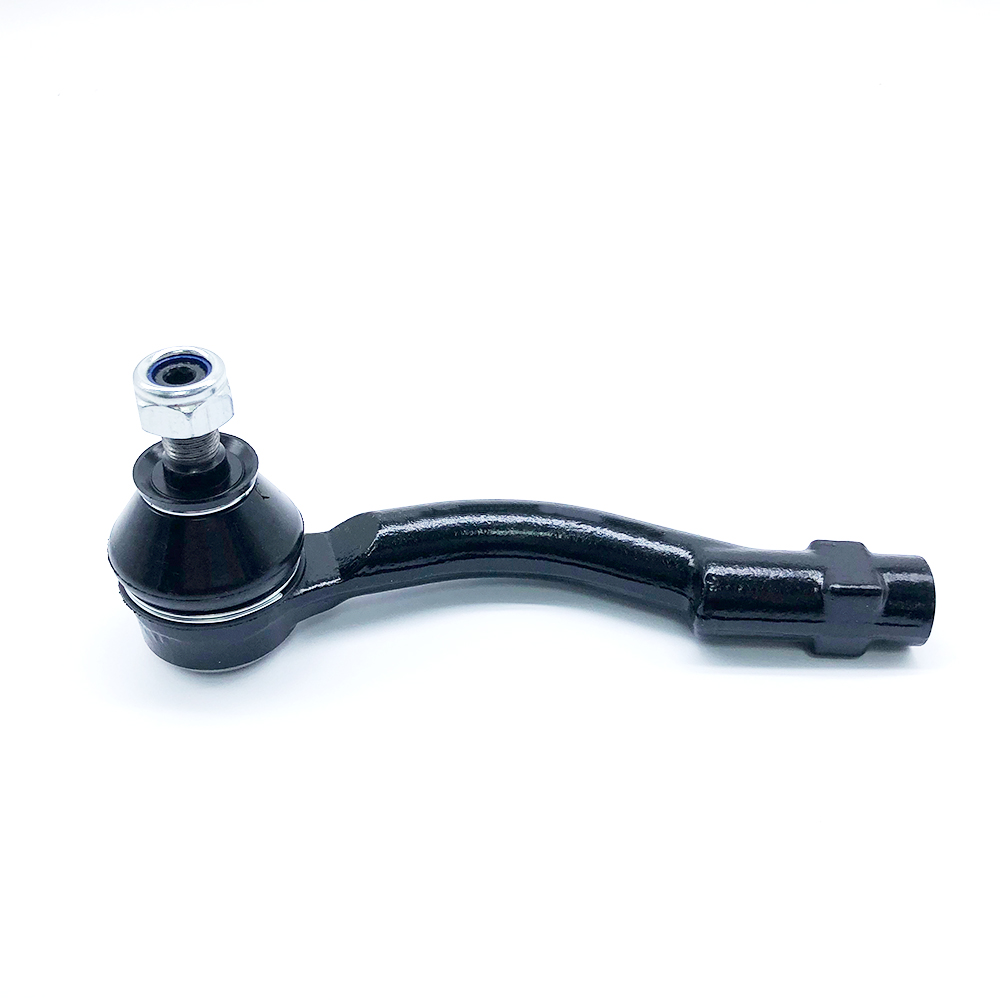
CAR NAME/MODEL/YEAR/ POSITION:
BMW 128I 2008-2013 Front R/L
135I 2008-2013
135IS 2013
323I 2006-2010
325I 2006
325XI 2006
328I 2007-2013
328XI 2007-2008
330I 2006
330XI 2006
335D 2009-2011
335I 2007-2013
335IS 2011-2013
X1 2012-2015
Z4 2009-2016
Key Features:
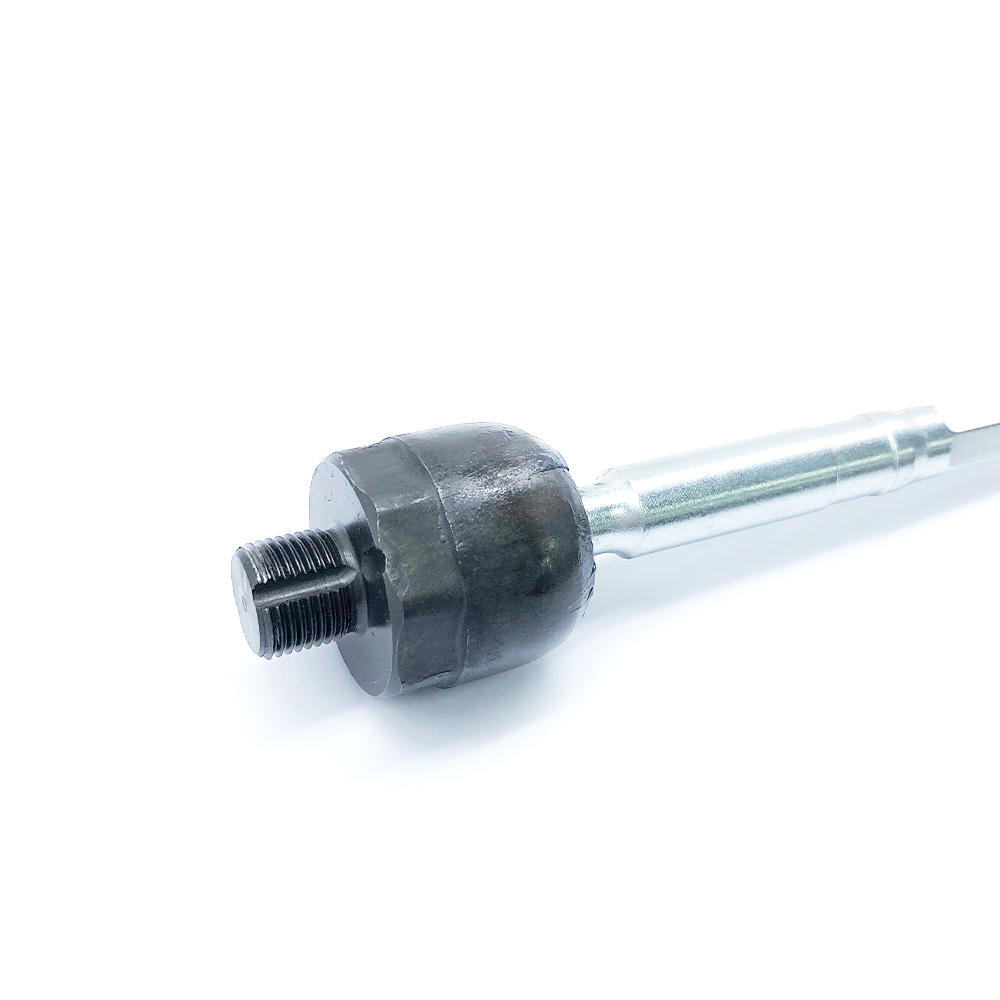
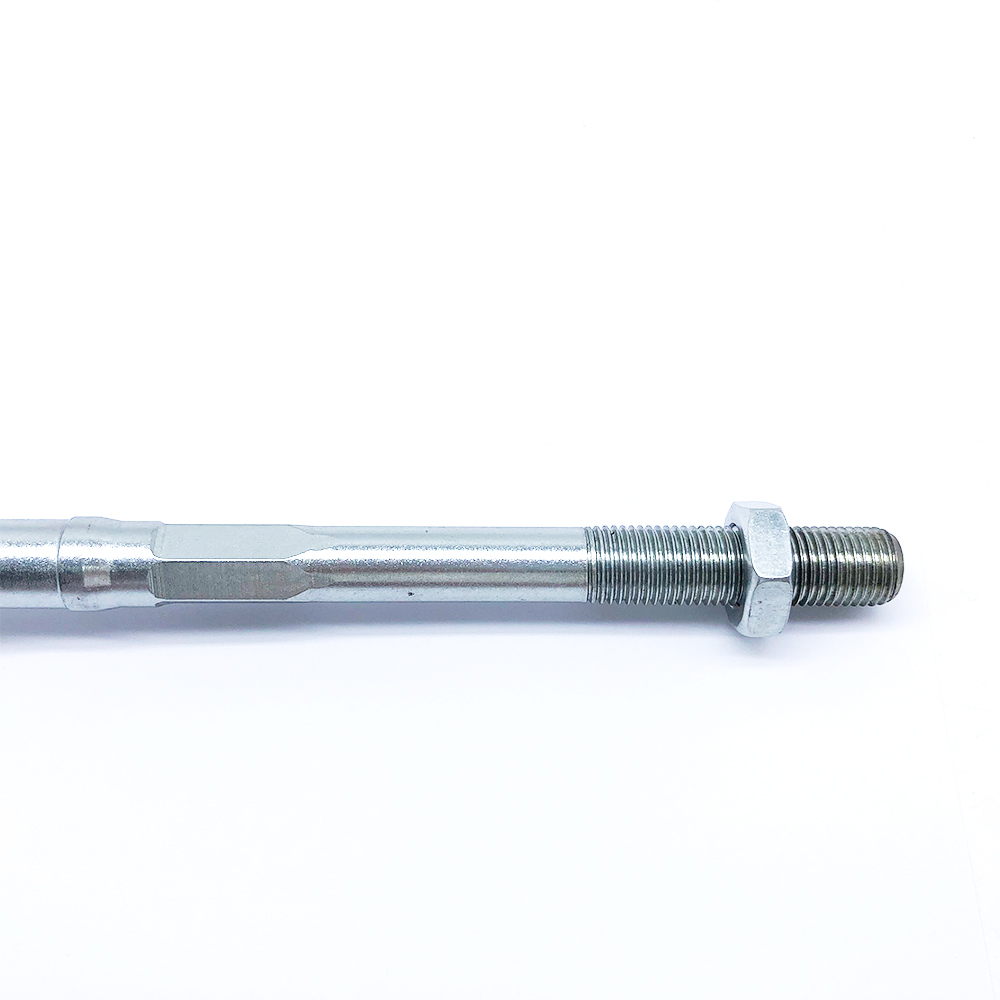
- Threaded End: The rack end typically has a threaded section that allows it to screw into the steering rack. This provides adjustability for alignment purposes.
- Ball Joint: At the opposite end of the rack end, there is usually a ball joint that connects to the steering knuckle or control arm, allowing the wheel to move.
- Steering Linkage: The rack end is part of the steering linkage that translates steering wheel input (via the rack and pinion mechanism) into wheel movement.
- Inner and Outer Rack Ends: In some vehicles, there are inner and outer rack ends. The inner rack end connects directly to the steering rack, while the outer rack end connects to the tie rod, which is linked to the wheel assembly.
Function:
Transferring Motion: When the driver turns the steering wheel, the pinion gear (attached to the steering shaft) turns the rack. The rack’s motion is transferred to the wheels through the rack end, which adjusts the angle of the wheels to steer the vehicle.
Providing Steering Control: The rack end helps maintain the correct alignment and geometry of the steering system. It ensures that the wheels turn proportionally to the steering input, providing accurate and responsive steering control.
Adjustability for Alignment: In many cases, rack ends can be adjusted to fine-tune the steering alignment (such as toe-in or toe-out adjustments), which affects tire wear and vehicle handling.
Materials:
- Steel: Most rack ends are made from steel due to its strength, durability, and ability to withstand the forces exerted during steering.
- Alloy Steel or Carbon Steel: Higher-end rack ends may use stronger alloys for added performance and durability.
- Rubber or Polyurethane: The ball joint portion of the rack end typically has a rubber or polyurethane boot or cover to protect the joint from dirt, moisture, and debris, ensuring smooth movement and longevity.
Advantages of Rack Ends:
- Precision Steering: Rack ends are essential for ensuring that steering input is accurately and smoothly translated into wheel movement.
- Alignment Adjustability: Many rack ends can be adjusted to help with steering alignment, improving vehicle handling and tire wear.
- Durability and Strength: Rack ends are designed to withstand high stresses and forces, making them durable components that contribute to overall steering system reliability.
- Improved Vehicle Handling: A properly functioning rack end contributes to responsive and precise steering, leading to better handling, especially in high-performance or racing vehicles.
Common Applications:
- Passenger Vehicles: Most modern cars and light trucks use rack and pinion steering systems, with rack ends playing a key role in the vehicle’s ability to steer smoothly.
- Performance and Racing Cars: Rack ends are critical in performance vehicles, where fine-tuning of the steering geometry can make a big difference in handling and tire wear.
- Heavy-Duty and Commercial Vehicles: Larger trucks and commercial vehicles also use rack and pinion systems with robust rack ends to handle the increased load and steering stress.
- Electric or Power Steering Systems: Rack ends are also present in power-assisted steering systems, whether hydraulic or electric, to transmit steering inputs to the wheels.