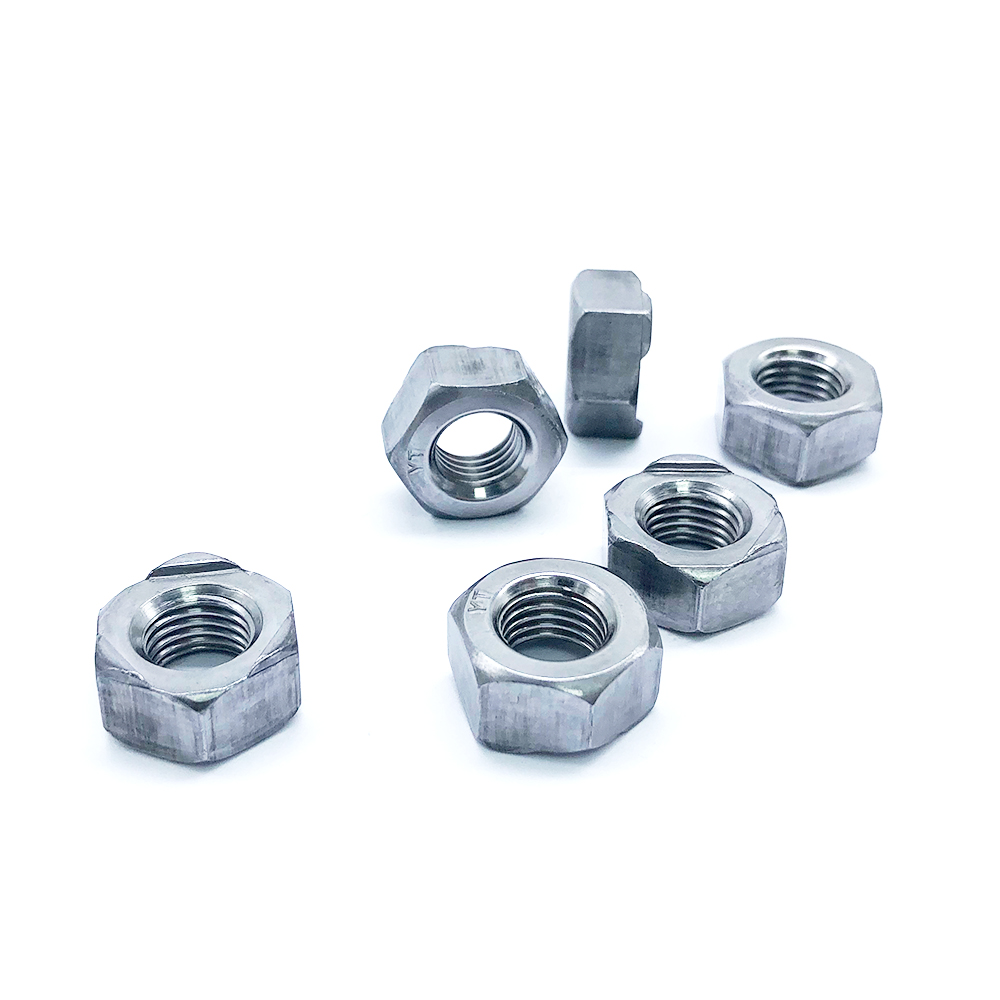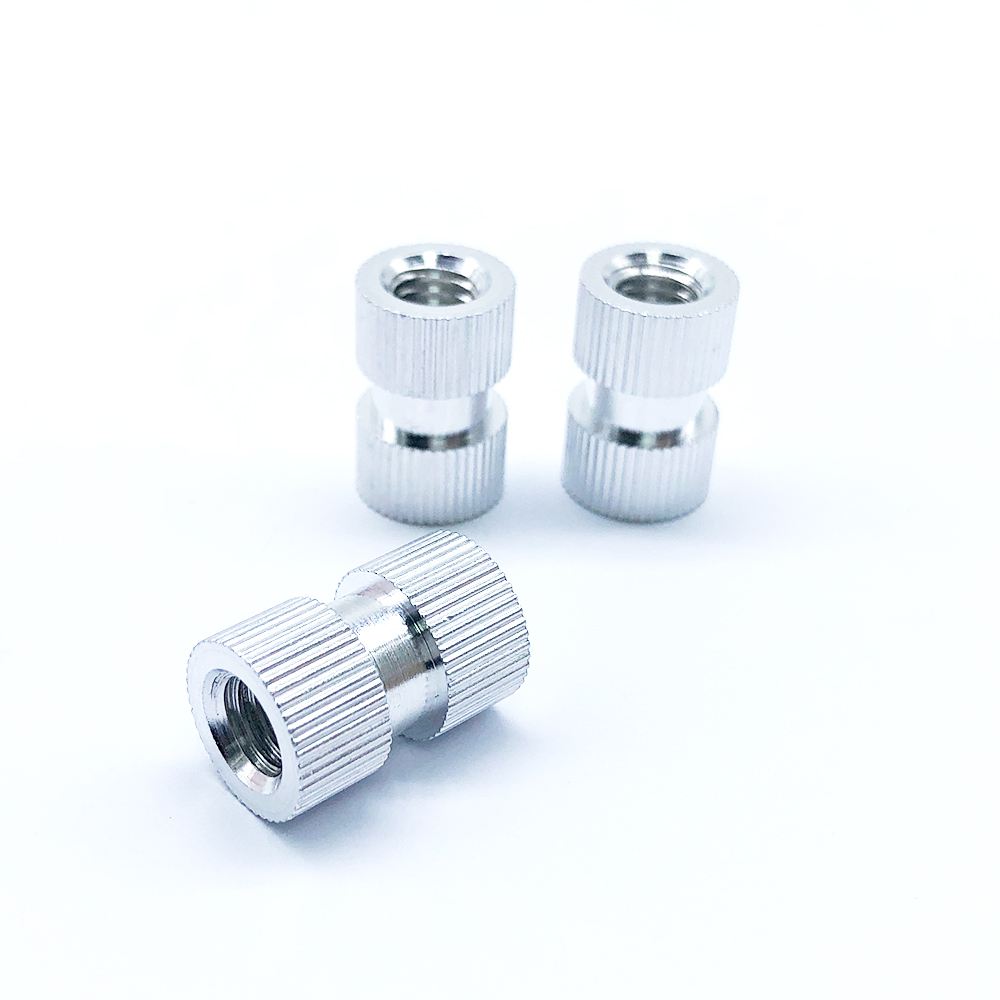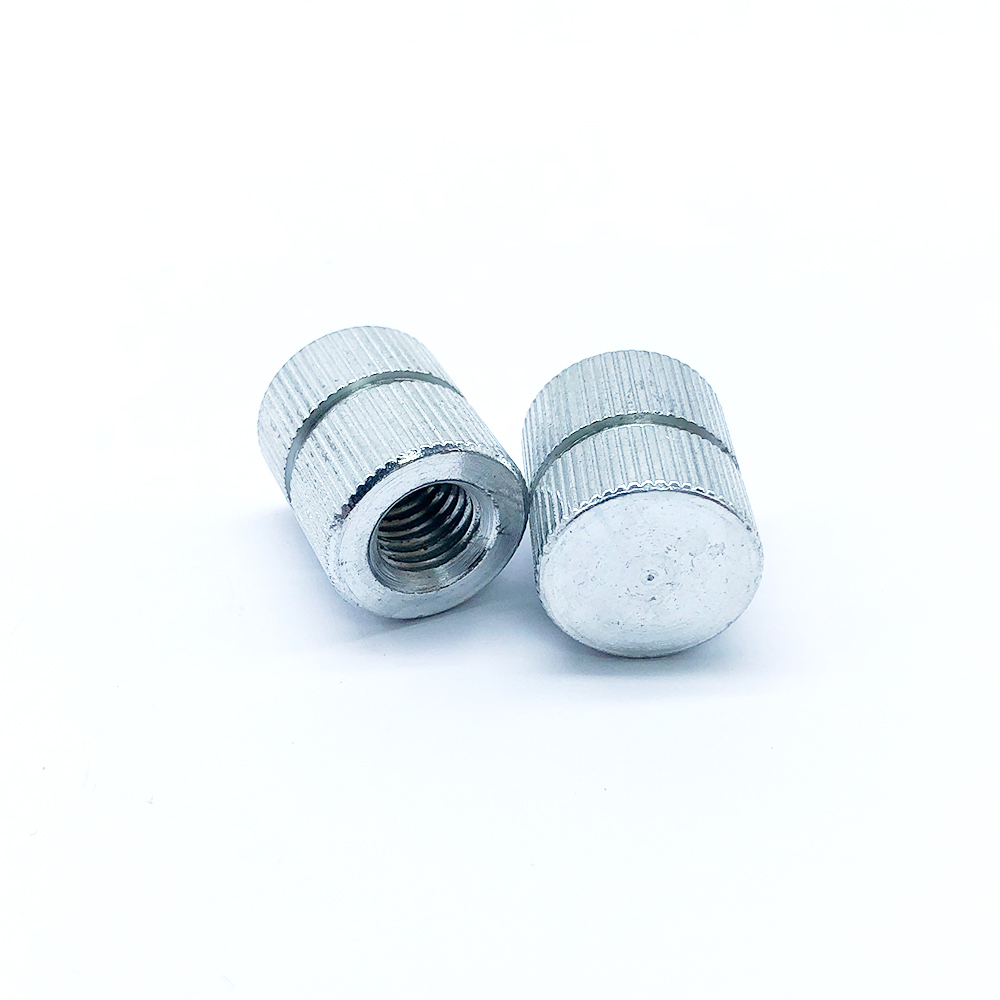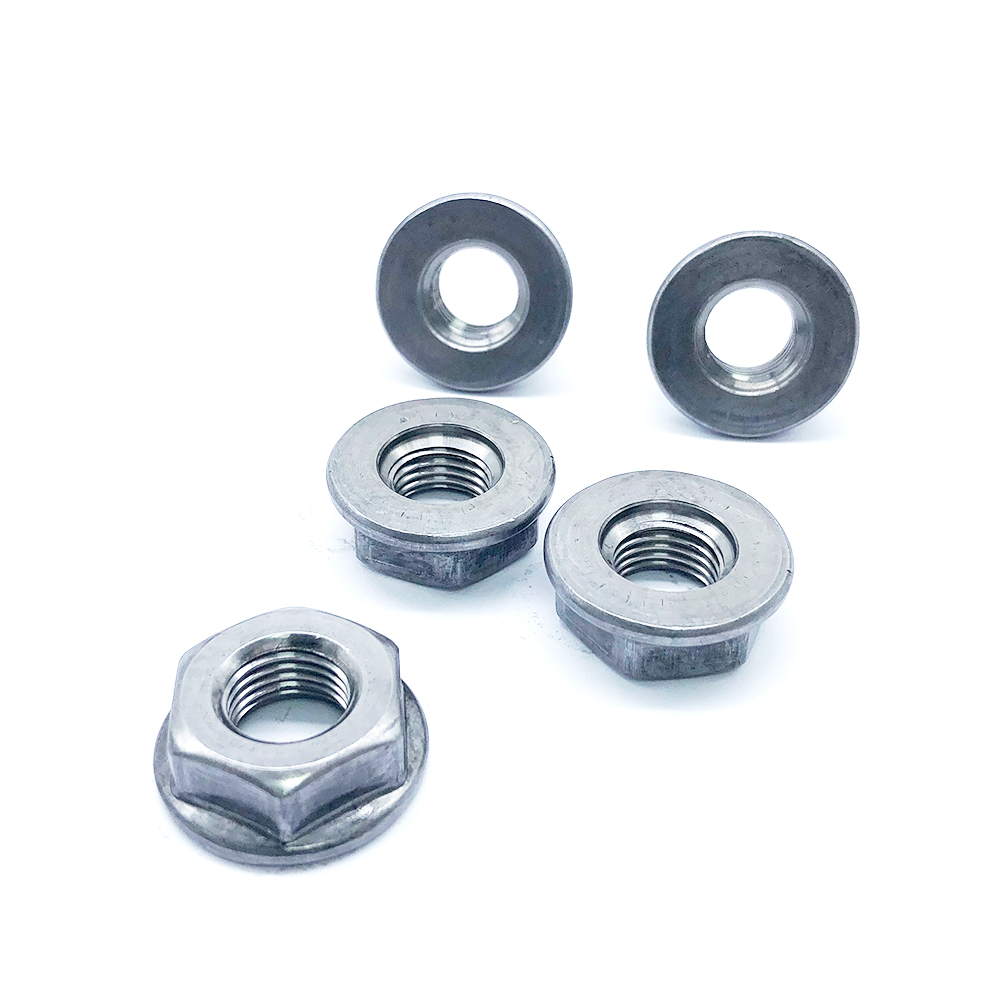
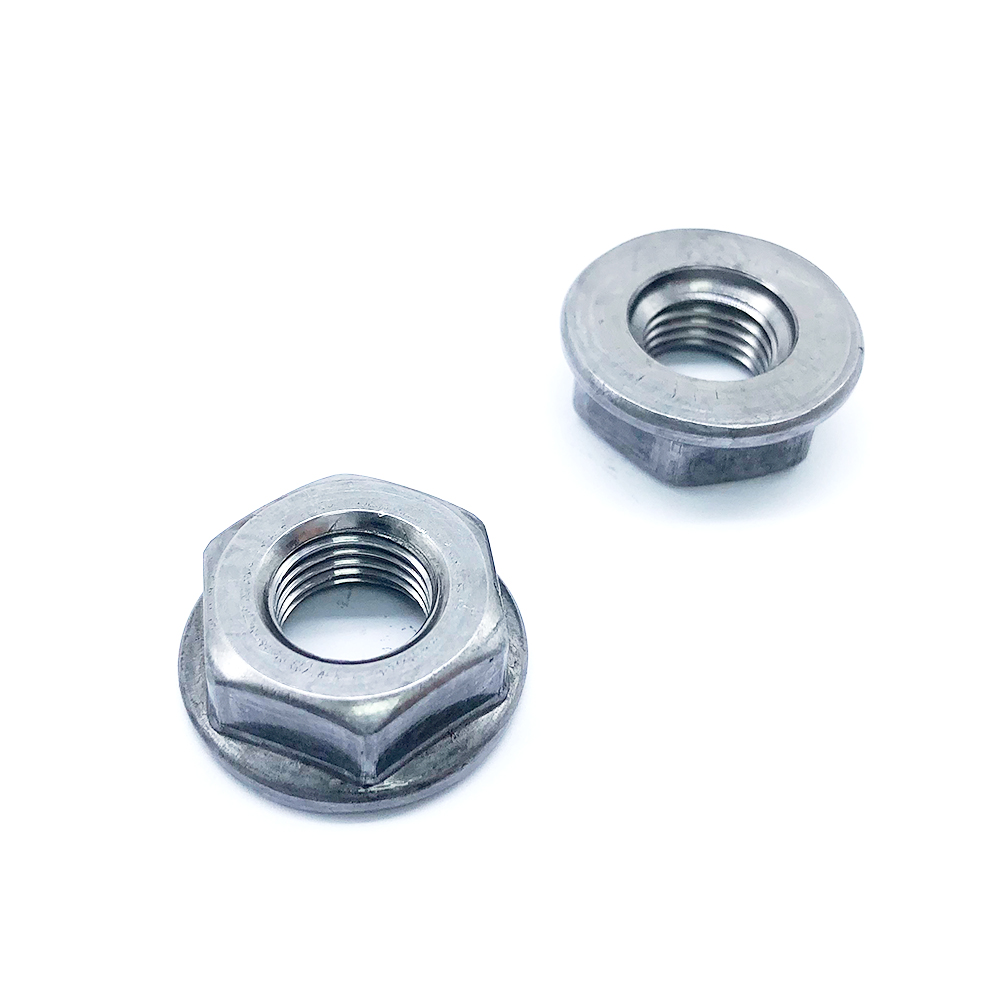
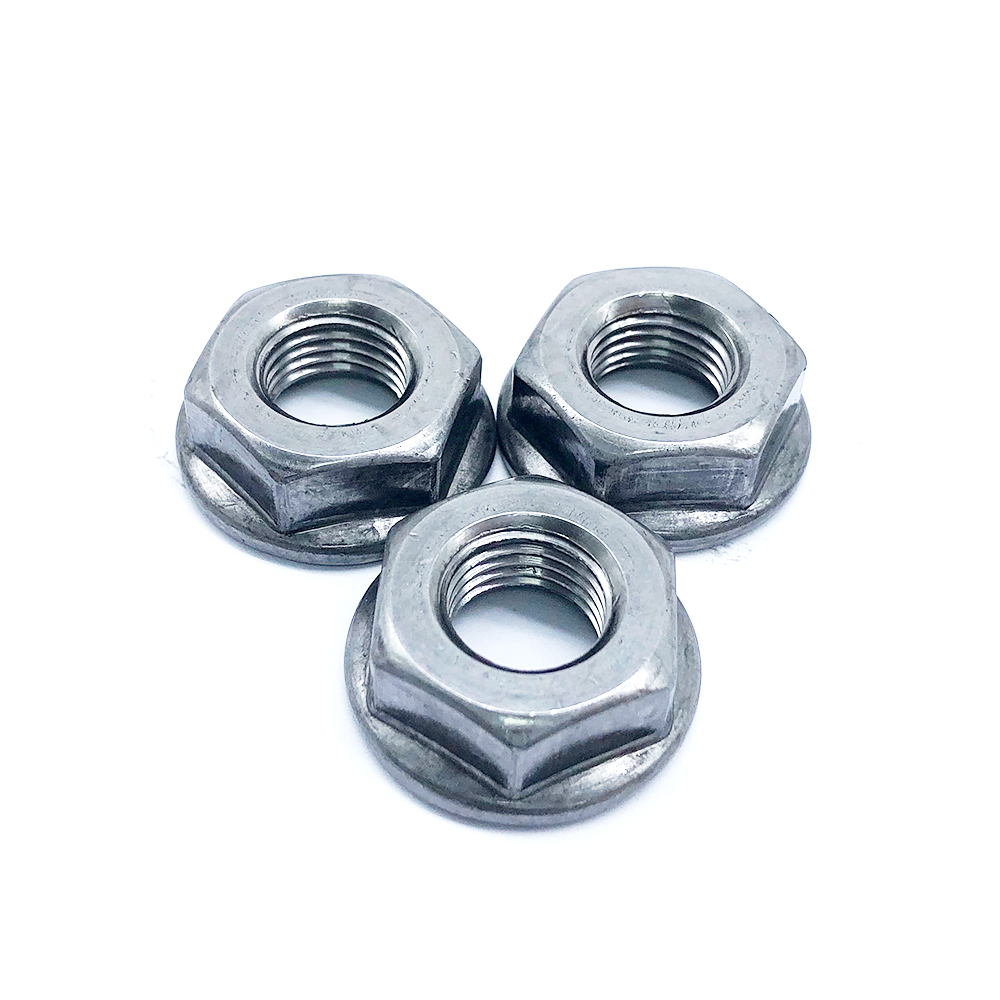
A hexagonal weld nut is a type of nut designed for use in welding applications, typically when a permanent threaded connection is needed on a metal part. It has a hexagonal shape and is welded directly to a metal surface, allowing for the attachment of a bolt or threaded rod without the need for a separate nut and bolt assembly.
Hexagonal Shape: Like a standard hex nut, it has six sides, allowing for easy installation using a wrench or spanner. The shape provides stability and helps prevent the nut from spinning when tightened.
Welding Projections: Hexagonal weld nuts are typically designed with welding projections (small "feet" or raised areas) on the base. These projections allow the nut to be securely welded onto a metal surface.
Internally Threaded Hole: The nut has an internally threaded hole, which matches the thread type and size of the corresponding bolt, allowing for the fastening of components.
Material: Hexagonal weld nuts are usually made from steel, stainless steel, or other durable metals that can withstand the heat and pressure of welding.
Weldability: These nuts are specifically designed for easy and strong welding onto metal parts, providing a secure attachment for bolted connections.
Common Uses:
Automotive Industry: Hexagonal weld nuts are used in automotive frames, body panels, and assemblies where permanent threading is required for attaching parts like wheels, suspension components, or exhaust systems.
Heavy Equipment and Machinery: Common in manufacturing machinery, industrial equipment, and large structures that require strong, vibration-resistant threaded connections.
Furniture and Appliances: Used in metal furniture and appliances to provide secure threaded connections without needing additional fasteners.
Metal Fabrication: Often used in custom metal fabrication projects where a strong welded connection is needed.
Advantages:
Time-Saving: By welding the nut directly to the surface, hexagonal weld nuts eliminate the need for separate nuts, bolts, or threaded inserts, speeding up the assembly process.
Strength and Durability: The welded connection provides a strong, permanent attachment that can withstand the stresses of vibration, torque, and high loads.
Space Efficiency: The hexagonal shape and integrated design allow for a compact solution in tight spaces where a traditional nut-and-bolt combination might be difficult to use.
Prevents Loosening: In many applications, welding a nut in place ensures that it stays fixed and reduces the risk of loosening due to vibrations.